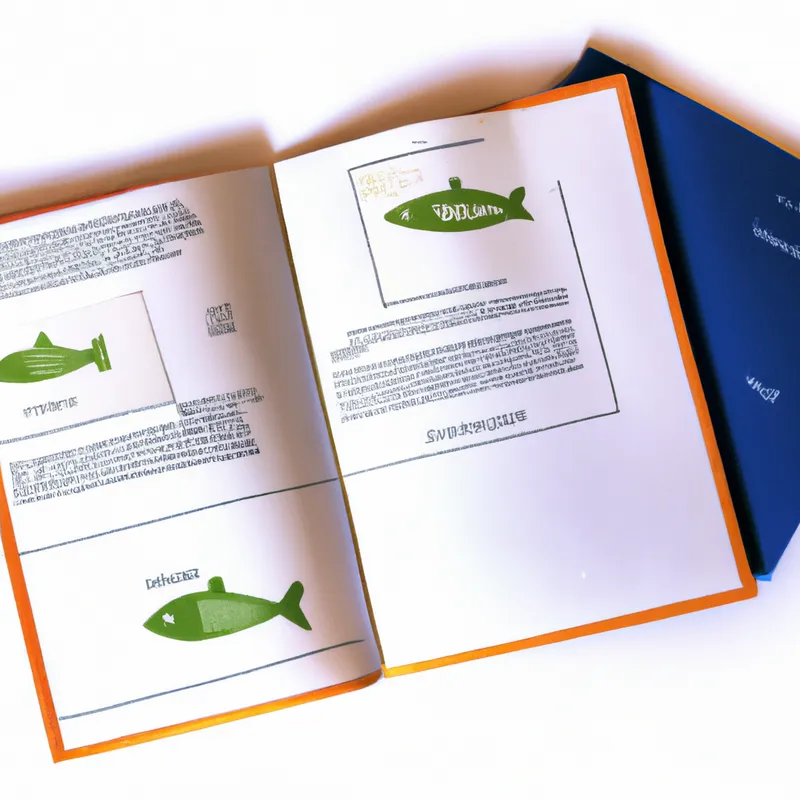
Adapt Your Retreat Packing for Any Climate
How to Prepare for Climate Differences at Destination Retreats
Traveling for a retreat offers an exciting escape from daily life. It rejuvenates your mind, body, and spirit. However, different climates can pose challenges that disrupt your experience. Preparing for these differences ensures a comfortable and enriching journey. This blog post provides tips for preparing for climate differences at destination retreats.
Understand the Climate of Your Destination
Research the climate of your destination before you travel. Is it tropical, temperate, or arid? Understanding these aspects influences your packing choices. Check average temperatures, humidity levels, and typical weather patterns for your visit.
Check the local weather forecast a week before your retreat. This helps you know what to expect and adjust your packing list. Use reliable weather websites or apps for accurate information. If you travel to mountainous areas, remember temperatures can drop significantly at higher elevations.
Pack Accordingly
Once you understand the climate, pack strategically. Align your clothing choices with the weather and planned activities. For warm destinations, use lightweight and breathable fabrics. Choose materials like cotton or linen to keep cool. Long-sleeve shirts protect you from the sun while remaining breathable.
If you head to a cooler area, layering is key. Mix long-sleeve shirts, jackets, and warmer pants. Fleece or thermal layers provide warmth without taking much space in your luggage.
Don’t forget accessories to enhance your comfort level. Wear a wide-brimmed hat for sun protection and sunglasses for bright days. If rain is forecasted, pack a lightweight waterproof jacket and shoes to stay dry without adding bulk.
Consider the Activities
Different climates often lead to diverse activities. Tailor your packing list to match the retreat’s offerings. If the retreat includes hiking, swimming, or yoga on the beach, bring appropriate gear. For hiking trips, pack sturdy hiking boots, moisture-wicking clothing, and a reliable backpack.
Conversely, if your retreat focuses on meditation, yoga, or indoor workshops, prioritize comfortable, flexible clothing. Bring yoga pants, loose-fitting tops, or anything that makes you feel at ease during sessions.
Stay Hydrated and Nourished
Climate differences can significantly affect your hydration and nourishment. Drink plenty of water to stay hydrated, especially in hot climates. Eating light, nutritious meals helps maintain energy levels throughout your retreat.
Conclusion
Prepare for climate differences at destination retreats by researching your destination, packing appropriately, and staying hydrated. Enjoy your enriching journey!
Below are related products based on this post:
FAQ
What should I research about the climate of my destination before a retreat?
Before traveling for a retreat, it’s essential to understand the climate of your destination. Research the type of climate—whether it’s tropical, temperate, or arid—and check average temperatures, humidity levels, and typical weather patterns for your visit. Reviewing the local weather forecast a week prior can also help you adjust your packing list accordingly.
How can I pack appropriately for different climates?
Packing appropriately involves aligning your clothing choices with the expected weather and planned activities. For warm climates, opt for lightweight and breathable fabrics like cotton or linen. In cooler areas, layering is key, so mix long-sleeve shirts, jackets, and warmer pants. Don’t forget to include accessories like hats, sunglasses, and waterproof jackets if rain is forecasted.
How does the climate affect my hydration and nourishment during the retreat?
Climate differences can significantly impact your hydration and nourishment needs. In hot climates, it’s crucial to drink plenty of water to stay hydrated. Additionally, eating light and nutritious meals will help maintain your energy levels throughout the retreat, ensuring you can fully engage in all activities.












Post Comment