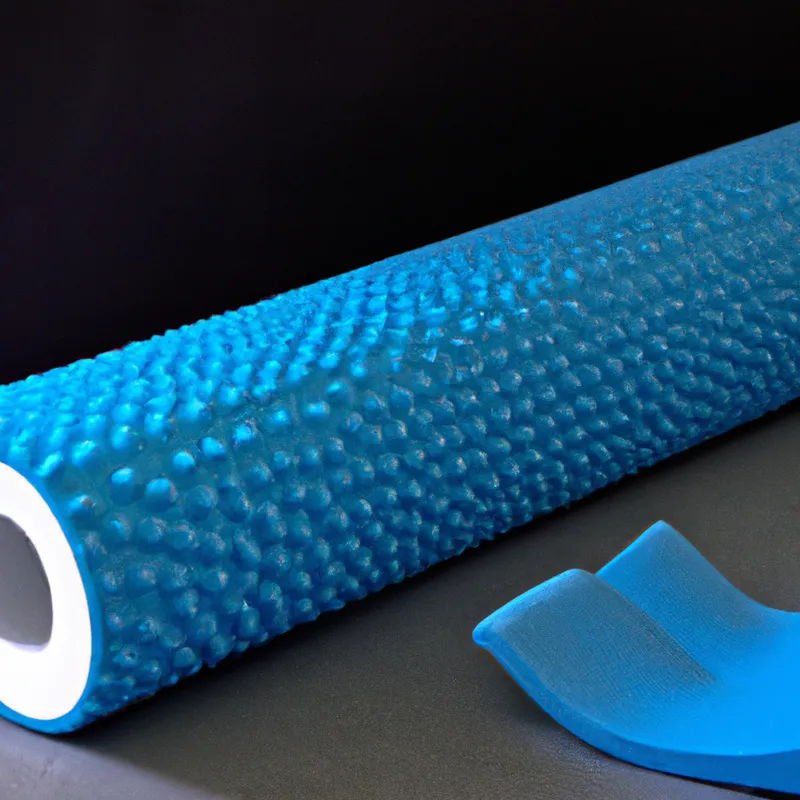
Discover the Benefits of Foam Rolling Today
Foam Rolling for Prehab: Preparing Your Body for Activity
Athletes and fitness enthusiasts increasingly use foam rolling. This tool prepares your body for activity and helps prevent injuries. In this blog post, we will explore foam rolling’s role in your prehab routine. You’ll discover tips, advice, and benefits that enhance your performance and well-being.
Understanding Foam Rolling
Foam rolling uses a foam roller to apply pressure to your muscles. This technique releases tension and improves blood flow. It may sound simple, but it effectively prepares your body for movement.
How Foam Rolling Works
Rolling over a muscle applies direct pressure. This pressure breaks up knots and tension in the fascia, the connective tissue around muscles. Consequently, foam rolling increases flexibility and range of motion, preparing your body for physical activity.
Timing and Frequency
To maximize benefits, foam roll before and after workouts. Spend five to ten minutes rolling specific muscle groups. Focus on tight or sore areas. Consistent practice yields better results, so aim for at least three times a week.
Tips for Effective Foam Rolling
Implementing foam rolling in your routine doesn’t have to be complicated. Here are practical tips for effective rolling.
Focus on Major Muscle Groups
Concentrate on larger muscle groups like quads, hamstrings, and back. These areas often hold the most tension. Don’t ignore smaller muscle groups like calves and shoulders; they need attention, too.
Roll Slowly and Breathe
Roll slowly over each muscle group at one inch per second. This pace allows your body to respond to the pressure. Remember to breathe deeply; deep breaths promote relaxation and enhance rolling effectiveness.
Listen to Your Body
Pay attention to how your body feels during each session. If you find a tender spot, pause and breathe into it. Avoid excessive pain; foam rolling should feel uncomfortable but not unbearable. Stop immediately if you feel sharp pain and consult a professional.
Benefits of Foam Rolling
Incorporating foam rolling into your prehab routine offers many benefits. Here are the most notable ones:
Injury Prevention
Foam rolling promotes flexibility and reduces muscle tightness. This practice helps prevent injuries from overuse or strain. By preparing your muscles for activity, you lower the risk of pulls and tears.
Improved Performance
A well-prepared body performs better. Foam rolling increases blood flow to your muscles, enhancing oxygen delivery. This improved circulation helps your muscles recover faster, allowing for better performance during workouts.
Enhanced Recovery
Foam rolling after exercise aids recovery. It flushes out lactic acid and other toxins from your muscles. Consequently, you may experience less soreness and quicker recovery times, allowing you to resume your routine sooner.
Additional Advice for Foam Rolling
While foam rolling is beneficial, pairing it with other techniques can amplify its effects. Consider the following advice:
Combine with Dynamic Stretching
Incorporate dynamic stretching before foam rolling. Dynamic stretches warm up your muscles and prepare them for activity. This combination optimizes your prehab routine, ensuring readiness for strenuous exercises.
Stay Hydrated
Hydration plays a crucial role in muscle recovery. Drink water before and after foam rolling sessions. Staying hydrated helps flush toxins from your body and supports overall muscle function.
Seek Guidance
If unsure how to foam roll effectively, consult a fitness professional. A trainer can provide personalized guidance and help you identify areas needing attention. They can also teach you proper techniques to avoid injury.
Conclusion
Foam rolling is a simple yet effective prehab tool. It prepares your body for activity, prevents injuries, and enhances recovery. By focusing on major muscle groups, rolling slowly, and listening to your body, you can maximize results. Combine foam rolling with dynamic stretching and proper hydration for an optimal prehab routine.
Incorporate foam rolling into your fitness regimen and experience the benefits. Your body will thank you, and you’ll tackle any activity with confidence.
Below are related products based on this post:
FAQ
What is foam rolling and how does it work?
Foam rolling uses a foam roller to apply pressure to your muscles, releasing tension and improving blood flow. This technique breaks up knots and tension in the fascia, the connective tissue around muscles, which increases flexibility and range of motion, preparing your body for physical activity.
How often should I foam roll for the best results?
To maximize benefits, it is recommended to foam roll before and after workouts, spending five to ten minutes on specific muscle groups. Consistency is key, so aim to foam roll at least three times a week for optimal results.
Can foam rolling help with injury prevention and recovery?
Yes, incorporating foam rolling into your routine promotes flexibility and reduces muscle tightness, which helps prevent injuries caused by overuse or strain. Additionally, foam rolling after exercise aids recovery by flushing out lactic acid and other toxins, resulting in less soreness and quicker recovery times.














Post Comment