Contrast Baths: A Vegan Athlete’s Approach
Recovery Rituals for Vegan AthletesVegan athletes encounter unique recovery challenges. They need to replenish nutrients lost during intense workouts while following their dietary principles. Effective recovery rituals enhance muscle repair, reduce fatigue, and optimize performance. This blog post explores recovery rituals for vegan athletes, focusing on hydration, nutrition, active recovery, and mental wellness.
Importance of Recovery
Recovery allows the body to heal and rebuild after strenuous exercise. Muscles sustain microscopic tears during workouts. Without proper recovery, they cannot repair or grow stronger. Vegan athletes must plan their nutrition and self-care practices carefully. Implementing effective recovery rituals significantly improves performance and helps prevent injuries.
Hydrate Properly
As an Amazon Associate I earn from qualifying purchases.
Gear tip: consider ice bath tub, waterproof thermometer, and circulation pump to support this topic.
Hydration plays a vital role in recovery. Water transports nutrients and removes waste products. Vegan athletes should monitor their fluid intake closely. Follow these hydration tips:
Drink Water First
Start with water. Rehydrate after workouts to replace lost fluids. Drink a glass of water right after exercising to replenish quickly. Also, drink water throughout the day to maintain hydration.
Incorporate Electrolytes
Electrolytes support muscle function and fluid balance. After intense workouts, add electrolyte-rich drinks to your routine. Try coconut water for essential minerals like potassium and magnesium. Alternatively, mix water with a pinch of salt, lemon juice, and maple syrup for a homemade sports drink.
Monitor Your Hydration Levels
Track your hydration status by checking urine color. Pale yellow indicates good hydration, while dark yellow signals dehydration. Adjust your fluid intake accordingly. In hot and humid conditions, increase fluid consumption to compensate for sweat loss.
Focus on Nutrition
Nutrition forms the foundation of recovery. Vegan athletes should consume a balanced diet with adequate protein, carbohydrates, and healthy fats. Consider these nutritional strategies:
Prioritize Plant-Based Proteins
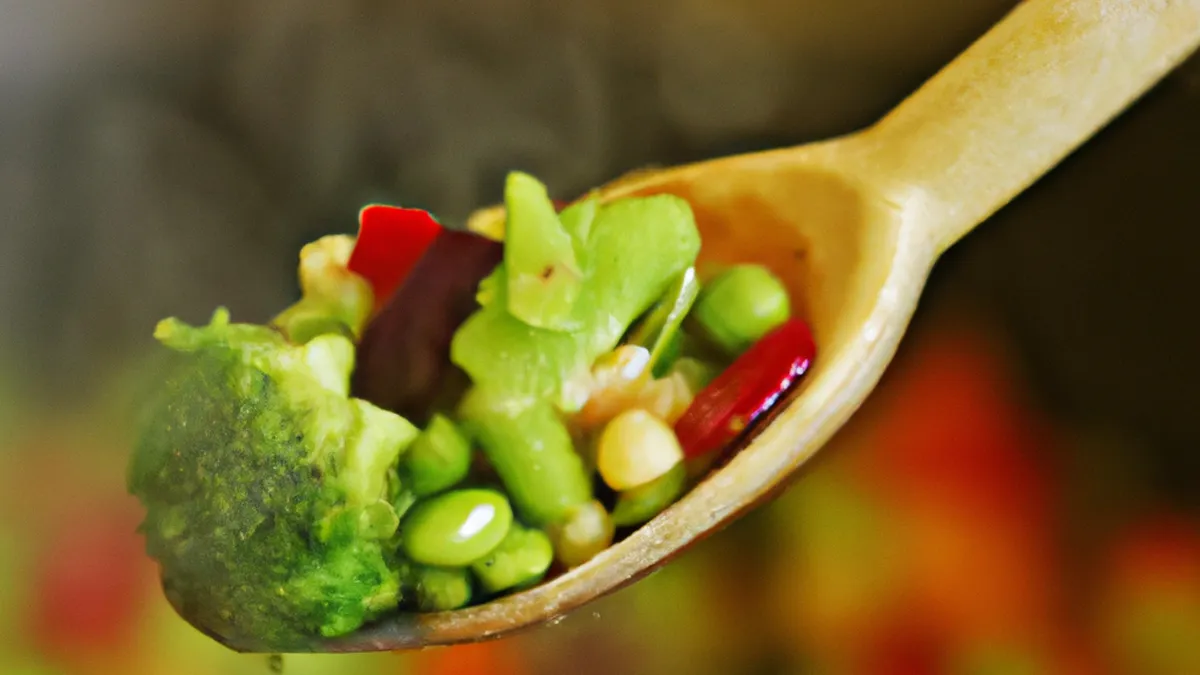
Protein supports muscle repair and growth. Focus on diverse plant-based protein sources. Include lentils, chickpeas, quinoa, tempeh, tofu, and edamame. These foods provide necessary amino acids for recovery. Enjoy post-workout snacks that combine protein and carbohydrates, like chickpea salad with whole grain bread.
Embrace Whole Foods
Whole foods offer more nutrients than processed options. Prioritize fruits, vegetables, nuts, and seeds. These foods are rich in antioxidants, vitamins, and minerals that combat inflammation.
Conclusion
In summary, vegan athletes can enhance recovery through proper hydration and nutrition. Implementing effective rituals supports overall performance and well-being.
Below are related products based on this post:
FAQ
What are the unique recovery challenges faced by vegan athletes?
Vegan athletes encounter specific recovery challenges as they need to replenish nutrients lost during intense workouts while adhering to their dietary principles. This requires careful planning of nutrition and self-care practices to ensure effective recovery. Without proper recovery, they may struggle with muscle repair and overall performance.
Why is hydration important for recovery?
Hydration is crucial for recovery as it helps transport nutrients and remove waste products from the body. Vegan athletes should closely monitor their fluid intake, especially after workouts, to replenish lost fluids. Proper hydration supports muscle function and helps prevent fatigue.
What nutritional strategies should vegan athletes follow for recovery?
Vegan athletes should focus on a balanced diet that includes adequate plant-based proteins, carbohydrates, and healthy fats to aid recovery. Prioritizing whole foods like fruits, vegetables, nuts, and seeds can provide essential nutrients and combat inflammation. Incorporating diverse protein sources ensures that they receive necessary amino acids for muscle repair.











Post Comment