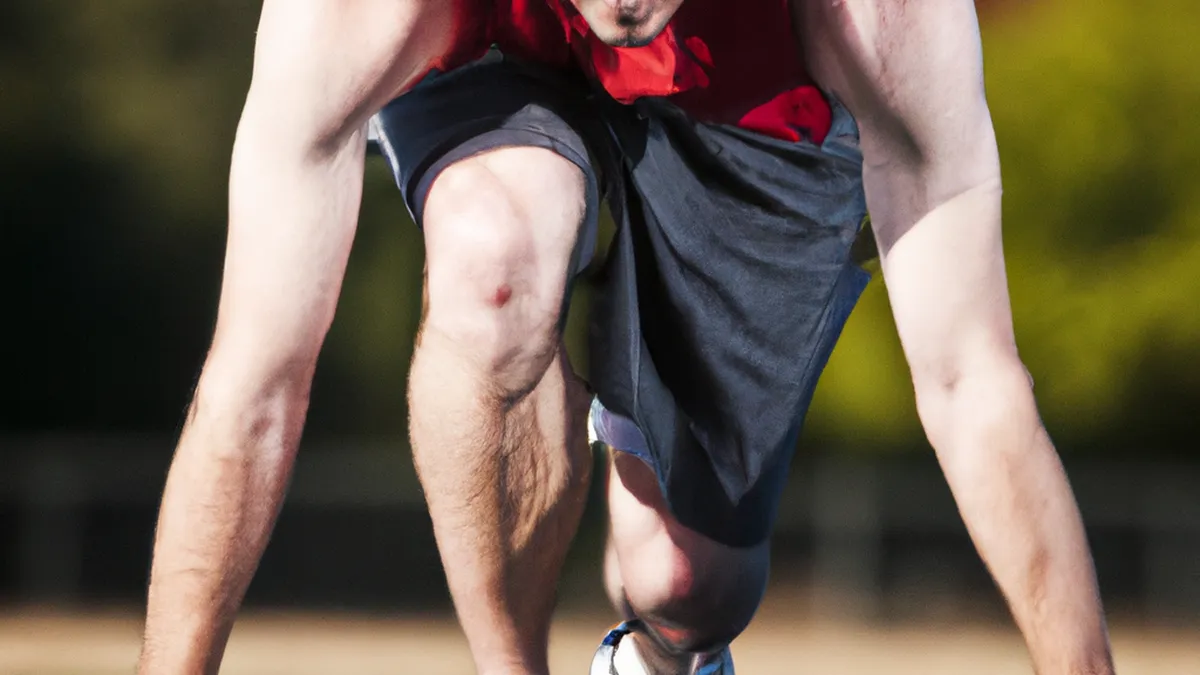
Yoga Poses to Alleviate Sprint Fatigue
Recovery Exercises Post-Hill SprintsHill sprints build strength, speed, and endurance. Running uphill engages multiple muscle groups, mainly your legs, glutes, and core, while elevating your heart rate. However, hill sprints are intense and may strain your body. Without proper recovery, you risk injury and muscle soreness. This blog post explores effective recovery exercises after hill sprints to help you feel refreshed.
Why Recovery Matters
Recovery is crucial after intense workouts, especially hill sprints. These bursts of effort cause micro-tears in your muscles, leading to soreness. Allowing time for recovery prevents overtraining, burnout, decreased performance, and injuries. Incorporate recovery exercises to alleviate soreness, improve flexibility, and prepare for future workouts.
Effective Recovery Exercises
As an Amazon Associate I earn from qualifying purchases.
Gear tip: consider high density foam roller, massage oil, and massage gun to support this topic.
1. Stretching
Stretching is a simple yet beneficial recovery exercise. It enhances flexibility, reduces muscle tightness, and increases blood flow. After hill sprints, spend 10-15 minutes on static stretches. Focus on major muscle groups used during your sprints, including quadriceps, hamstrings, calves, hip flexors, and lower back.Consider these effective stretches:- **Quad Stretch:** Stand on one leg, grab your opposite ankle, and pull it toward your glutes. Hold for 20-30 seconds, then switch sides.- **Hamstring Stretch:** Sit with one leg extended and the other bent. Reach for the toes of the extended leg. Hold for 20-30 seconds, then switch sides.- **Calf Stretch:** Stand facing a wall, place one foot forward and the other back. Keep your back heel down and lean into the wall. Hold for 20-30 seconds, then switch sides.- **Hip Flexor Stretch:** Kneel on one knee with the other foot in front. Push your hips forward gently while keeping your back straight. Hold for 20-30 seconds, then switch sides.Hold each stretch for at least 20-30 seconds to aid recovery and reduce tightness.
2. Foam Rolling
Foam rolling is an excellent recovery technique. It releases tension in muscles and fascia through self-myofascial release. This method alleviates soreness and improves mobility. Use a foam roller after hill sprints to feel less tight and recover faster.Spend 5-10 minutes rolling key areas like calves, quadriceps, hamstrings, and glutes. Roll slowly over tender spots and pause on tighter areas. Here are tips for effective foam rolling:- **Calves:** Sit on the ground with your legs extended. Place the foam roller under your calves and roll slowly.
Conclusion
Recovery exercises, like stretching and foam rolling, enhance your post-hill sprint routine. Prioritize recovery to improve performance and prevent injuries.
Below are related products based on this post:
FAQ
Why is recovery important after hill sprints?
Recovery is crucial after intense workouts like hill sprints because they cause micro-tears in your muscles, leading to soreness. Proper recovery helps prevent overtraining, burnout, and injuries while improving overall performance. Incorporating recovery exercises can alleviate soreness and enhance flexibility for future workouts.
What are some effective recovery exercises after hill sprints?
Effective recovery exercises include stretching and foam rolling. Stretching helps enhance flexibility and reduces muscle tightness, while foam rolling releases tension in muscles and fascia. Both methods are essential for alleviating soreness and improving mobility after hill sprints.
How long should I stretch after hill sprints?
After hill sprints, it is recommended to spend 10-15 minutes on static stretches. Focus on major muscle groups used during your sprints, holding each stretch for at least 20-30 seconds. This duration helps aid recovery and reduce muscle tightness effectively.














Post Comment