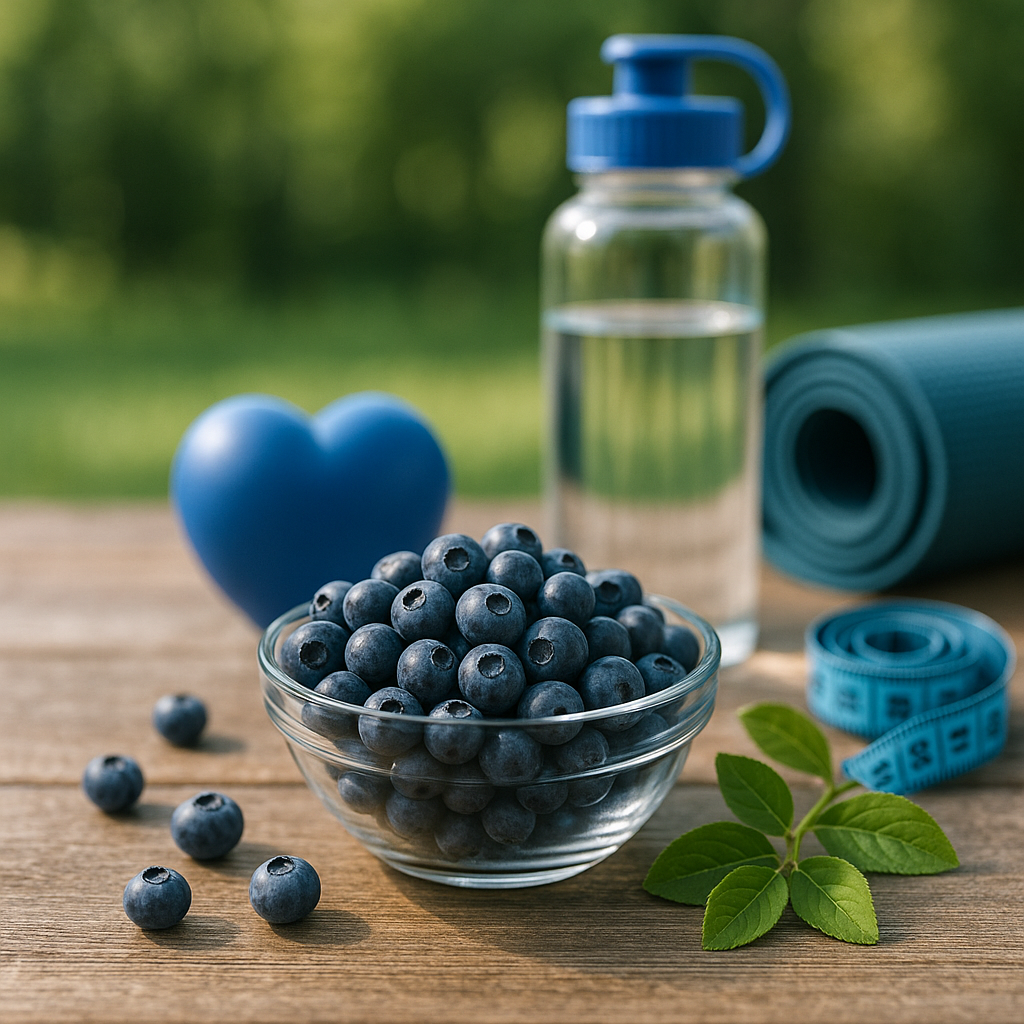
How Wild Blueberries Boost Heart and Gut Health: What the Research Shows and How to Use Them
Quick Summary
- A recent comprehensive review highlights wild blueberries as especially beneficial for cardiometabolic health, with the strongest evidence for improved blood vessel function.
- Benefits may appear acutely (within hours) and accumulate over weeks thanks to polyphenols (notably anthocyanins) and fiber.
- Emerging evidence suggests positive effects on blood pressure, cholesterol, blood sugar regulation, gut microbiota, and cognitive function—though results vary by dose and study design.
- Practical approaches include making wild blueberries a regular whole-food component of meals rather than relying on sweetened products or unregulated supplements.
Introduction
Blueberries have long been promoted as a nutritious fruit, but a sweeping scientific review has put wild blueberries (often called lowbush blueberries) in the spotlight for cardiometabolic and gut health. Researchers point to a unique combination of concentrated polyphenols—especially anthocyanins—and fiber as drivers of beneficial effects on blood vessels, metabolic markers, and the gut microbiome. This article summarizes the evidence, explains likely mechanisms, and gives practical advice for adding wild blueberries to a heart- and gut-friendly diet.
What the research found
Strongest evidence: improved blood vessel (endothelial) function
Several controlled studies and meta-analyses report that consuming wild blueberries or concentrated blueberry extracts improves endothelial function, a measure of how well blood vessels dilate. Improved endothelial function is linked with better blood flow and lower cardiovascular risk. Effects can be seen acutely—within a few hours after a dose—and also after consistent intake for several weeks.
Encouraging signs for blood pressure, cholesterol, and blood sugar
Results are more mixed but promising: some trials show modest reductions in systolic blood pressure, improvements in HDL cholesterol or triglyceride profiles, and small improvements in post-meal blood sugar. The degree of benefit often depends on the amount and type of blueberry (wild vs. cultivated), the baseline health of participants, and study length.
Gut health and microbiome modulation
Wild blueberries contain fiber and polyphenols that reach the colon and interact with gut bacteria. Trials report shifts in microbiome composition and increases in beneficial metabolites like short-chain fatty acids—changes associated with gut health and reduced inflammation.
Potential cognitive benefits
Because anthocyanins can influence blood flow and reduce oxidative stress, some studies find modest cognitive or mood benefits—particularly in older adults—though more long-term trials are needed.
How wild blueberries may work
- Polyphenols (anthocyanins): Act as antioxidants, improve nitric oxide signaling (which helps vessels dilate), and modulate inflammation.
- Gut interactions: Polyphenols are metabolized by gut bacteria into bioactive compounds that can influence systemic health.
- Fiber and whole-fruit matrix: Slow carbohydrate absorption, feed beneficial gut microbes, and provide satiety—advantages over sweetened blueberry products or juices.
Practical steps to include wild blueberries in your routine
Below are safe, practical ways to translate the research into everyday eating without overpromising results.
Daily habit suggestions
- Aim for 1/2 to 1 cup of whole wild blueberries per day as a reasonable target used in many studies; frozen wild blueberries retain polyphenols and are convenient year-round.
- Add berries to breakfast: oats, yogurt, smoothies, or whole-grain cereal.
- Use as a snack with a protein or fat (e.g., mixed with nuts or a spoonful of nut butter) to moderate blood-sugar response.
- Include wild blueberries as part of an overall cardiometabolic diet—vegetables, lean proteins, whole grains, legumes, and healthy fats—rather than relying on one “superfood.”
For athletes and active people
Athletes may benefit from the antioxidant and vascular effects of blueberries around training and recovery. For guidance on fueling and immune resilience around races and workouts, see resources on fruits for performance and race-readiness:
Checklist: shopping, storing, and serving wild blueberries
- Purchase: Look for wild or lowbush blueberries when available. If not, highbush (cultivated) blueberries are still beneficial.
- Frozen is fine: Buy unsweetened frozen wild blueberries to keep polyphenols intact and reduce waste.
- Storage: Keep fresh berries refrigerated and use within a week; store frozen berries in the freezer for months.
- Serving: Aim for 1/2–1 cup daily, added to meals or snacks for consistency.
- Avoid: Sweetened blueberry products or heavily sugared sauces that add calories and reduce health benefits.
Common Mistakes
- Expecting miracles: Wild blueberries can support heart and gut health, but they are not a cure and work best as part of an overall healthy diet and lifestyle.
- Relying on juice or sweetened products: Juices and sweetened blueberry items lack fiber and often contain added sugars that blunt benefits.
- Overdosing on supplements: Polyphenol supplements vary widely and lack the whole-food matrix benefits; consult a healthcare professional before starting supplements, especially if you take medications.
- Ignoring dose and duration: Acute benefits may be seen quickly, but many outcomes are dose- and time-dependent—consistent intake over weeks is often needed for measurable changes.
- Neglecting individual factors: Age, baseline health, medications, and genetics affect response—personalized advice from a clinician is useful for people with chronic conditions.
Safety and considerations
Whole wild blueberries are safe for most people as part of a balanced diet. People on blood-thinning medications, those with diabetes, or individuals taking certain prescription drugs should consult their healthcare provider before making major dietary changes or starting concentrated extracts. If you have severe allergies to berries, avoid them and seek professional guidance.
Conclusion
Evidence from a broad review positions wild blueberries as a helpful food for supporting blood vessel function, with promising effects on blood pressure, cholesterol, blood sugar control, gut microbiota, and cognition. The likely reasons include high anthocyanin content, polyphenol–gut microbiome interactions, and the fiber found in whole berries. For meaningful benefits, include wild blueberries regularly as part of a varied, nutrient-dense diet rather than relying on supplements or sweetened products. If you have health conditions or take medications, consult a healthcare professional about the best approach for your situation.
Practical recipe ideas
- Smoothie: 1 cup unsweetened almond milk, 1/2 cup frozen wild blueberries, 1 small banana, a handful of spinach, and 1 scoop of protein powder.
- Oat bowl: Cooked oats topped with 1/2 cup wild blueberries, chopped nuts, and a sprinkle of cinnamon.
- Yogurt parfait: Unsweetened Greek yogurt layered with wild blueberries and a tablespoon of ground flaxseed.
FAQ
1. How many wild blueberries should I eat daily to see benefits?
Most studies use roughly 1/2 to 1 cup of whole wild blueberries per day (or equivalent polyphenol-rich servings). Some vascular effects appear acutely, but consistent intake over weeks is usually needed for broader cardiometabolic changes.
2. Are frozen wild blueberries as good as fresh?
Yes. Freezing preserves many of the polyphenols and nutrients, and frozen berries are a convenient, cost-effective option year-round. Choose unsweetened frozen berries.
3. Can wild blueberries lower my blood pressure or cholesterol?
Research shows modest and sometimes inconsistent improvements in blood pressure and lipid markers. They may help as part of a comprehensive diet and lifestyle strategy but are unlikely to replace medications or other medical treatments when those are needed.
4. Should I take blueberry supplements instead of eating the fruit?
Whole fruit provides fiber and the food matrix that likely contribute to benefits. Supplements vary in quality and composition; discuss them with a healthcare professional before use, especially if you take medications.
5. How quickly can I expect to notice effects after adding wild blueberries?
Some vascular benefits can be detected within hours after a serving; other outcomes like changes in cholesterol, blood pressure, or the microbiome typically require consistent consumption over weeks to months. Individual responses vary.
Part of the Complete Strength Training Guide
Explore more: Endurance & Running Training Hub














2 comments