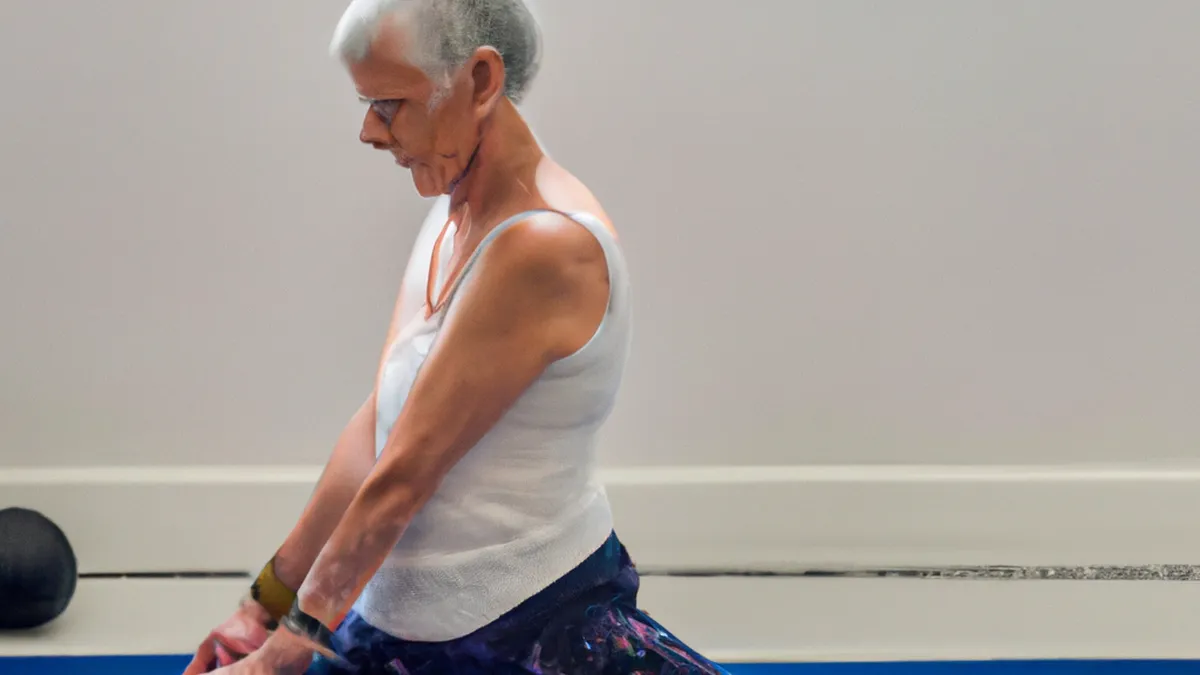
Weightlifting Techniques for Older Bodies
Senior Athlete Conditioning StrategiesSeniors engaging in athletic activities need effective conditioning. Staying fit enhances performance and improves overall health. This post explores conditioning strategies for senior athletes.
Understand Your Body’s Needs
Seniors possess unique physiological characteristics. Tailor conditioning strategies to meet these needs. First, consult a healthcare provider for assessment and recommendations.Next, listen to your body. Notice signs of fatigue or discomfort. If something feels wrong, adjust your routine. This awareness helps prevent injuries.
Incorporate Strength Training
As an Amazon Associate I earn from qualifying purchases.
Gear tip: consider stretching strap, yoga blocks, and compact home gym set to support this topic.
Strength training plays a vital role in conditioning. It builds muscle, improves balance, and enhances joint stability. Include strength exercises at least two days weekly.Focus on major muscle groups. Perform squats, lunges, and push-ups. Start with light weights and gradually increase. Always prioritize form over weight to avoid injury.Consider working with a trainer. They demonstrate proper techniques and create personalized programs. This guidance boosts confidence and ensures safety.
Use Resistance Bands
Resistance bands benefit seniors. They are lightweight and easy to use. Bands provide resistance without stressing joints.Try seated rows or lateral band walks. These movements strengthen upper and lower body. Resistance bands are also portable, perfect for home workouts.
Try Bodyweight Exercises
Bodyweight exercises offer great options. They improve strength and flexibility without equipment. Examples include planks, bridges, and wall sits.Start with a few repetitions and gradually increase. This builds endurance and overall fitness. Bodyweight exercises can be done anywhere, adding convenience.
Focus on Cardiovascular Health
Cardiovascular conditioning remains essential for senior athletes. It boosts heart health and increases endurance. Aim for at least 150 minutes of moderate-intensity aerobic activity weekly.Walking, cycling, and swimming work well. They are low-impact and easy on joints. Find enjoyable activities to increase consistency.
Incorporate Interval Training
Interval training enhances cardiovascular conditioning. This technique alternates between high and low-intensity activities. For example, walk briskly for one minute, then slow down for two.This approach improves heart health and metabolism. It also makes workouts engaging. Start with shorter intervals, gradually increasing duration as fitness improves.
Engage in Group Activities
Joining a group makes conditioning enjoyable. Group activities provide social interaction and motivation. Consider walking clubs, swimming classes, or senior fitness programs.Group participation encourages accountability. You’re less likely to skip workouts when others depend on you. Learn from participants and share tips.
Prioritize Flexibility and Balance
Flexibility and balance are crucial for seniors. They help prevent falls and maintain mobility. Add stretching and balance exercises to your routine.Yoga and Pilates improve flexibility and promote relaxation. Aim to practice these activities at least once weekly.Balance exercises are equally important. Simple movements like standing on one leg enhance stability. Perform these exercises at home or in a class.
Utilize Stretching Routines
Consistent stretching routines enhance flexibility. Focus on major muscle groups, holding each stretch for 15-30 seconds. Stretch after every workout to promote recovery.Dynamic stretches benefit pre-workout preparation. They ready muscles for activity. Examples include arm circles and leg swings.
Consider Tai Chi
Tai Chi improves balance and flexibility. This ancient practice combines slow movements and deep breathing. It enhances coordination and reduces stress.Many senior centers offer Tai Chi classes. Participating provides a low-impact workout. You can also meet others sharing your interests.
Benefits of Conditioning for Seniors
Conditioning offers numerous benefits for senior athletes. It enhances physical performance and improves overall health. Regular exercise manages weight, reduces chronic disease risk, and boosts mental well-being.Additionally, staying active fosters independence. Many seniors wish to maintain autonomy as long as possible. Conditioning greatly aids in achieving this goal.Moreover, social interactions through group activities enhance mental health. Connecting with others reduces feelings of loneliness and isolation.
Conclusion
Conditioning remains vital for senior athletes. Understand your body’s needs and incorporate strength training, cardiovascular exercise, and flexibility work to enhance performance and well-being. Engage in social activities to make your fitness journey enjoyable. Prioritize health and fitness by adopting these strategies today!
Below are related products based on this post:
FAQ
What are the key conditioning strategies for senior athletes?
Senior athletes should focus on strength training, cardiovascular health, and flexibility. Incorporating activities like resistance bands, bodyweight exercises, and interval training can enhance performance. Additionally, engaging in social activities can make the fitness journey more enjoyable.
How often should seniors engage in strength training?
Seniors should aim to include strength training exercises at least two days a week. Focusing on major muscle groups through exercises like squats and push-ups is essential. Starting with light weights and prioritizing proper form helps prevent injuries.
Why is flexibility important for seniors?
Flexibility is crucial for seniors as it helps prevent falls and maintain mobility. Regular stretching and activities like yoga or Pilates can enhance flexibility. Incorporating balance exercises into the routine is equally important for stability and safety.














Post Comment