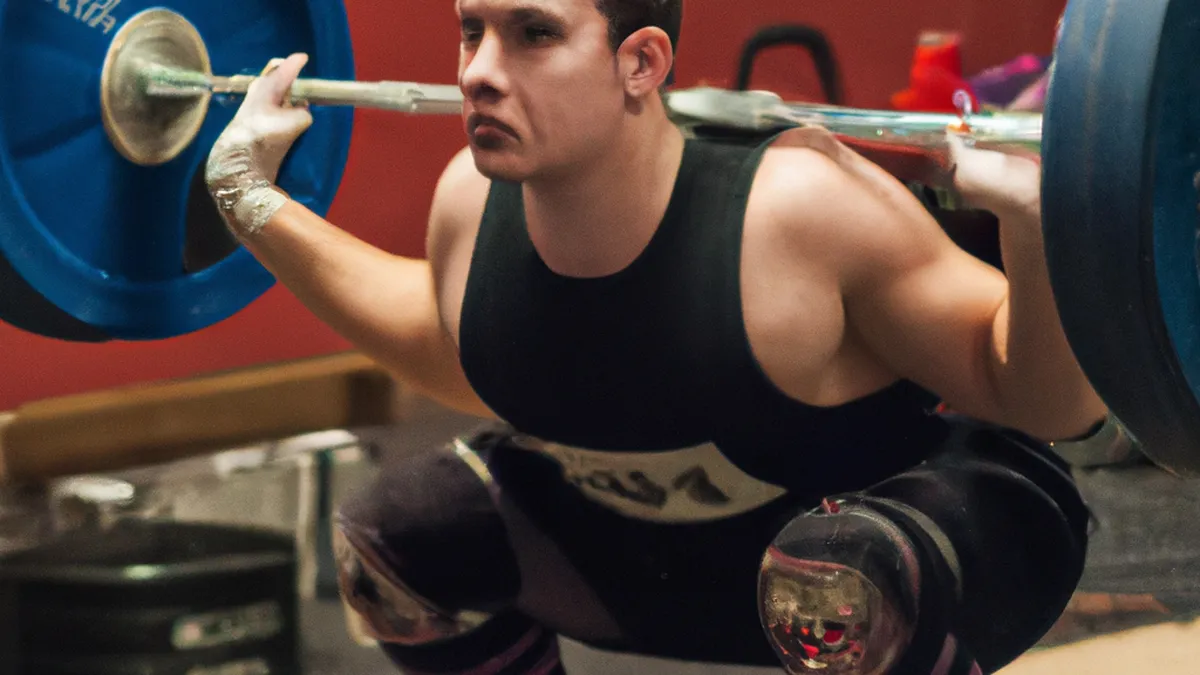
Weightlifting Techniques for Adaptive Athletes
Strength Training for Wheelchair UsersStrength training benefits everyone, including wheelchair users. It improves physical fitness, health, and overall well-being. Many individuals with mobility challenges hesitate to start strength training. This guide provides practical tips to help wheelchair users achieve fitness goals, enhance quality of life, and promote independence.
Why Strength Training Matters
Strength training offers many benefits for wheelchair users. It promotes muscle growth and increases overall strength. Stronger muscles assist with daily tasks like transferring from the wheelchair, lifting objects, and performing self-care activities. Additionally, strength training supports joint health, which is essential for those experiencing stiffness or pain.A consistent strength training routine boosts cardiovascular fitness. Seated exercises can elevate heart rates, improving heart health. Strength training also aids weight management, crucial for individuals with limited mobility at risk of obesity. Lastly, strength training enhances mental health by increasing self-esteem, reducing anxiety, and providing accomplishment as users see progress.
Tips for Getting Started
As an Amazon Associate I earn from qualifying purchases.
Gear tip: consider stretching strap, yoga blocks, and mobility sliders to support this topic.
Starting a workout routine can feel overwhelming. Here are practical tips for wheelchair users to begin strength training safely and effectively.
1. Consult a Professional
Consult a fitness professional or physical therapist before starting any exercise program. These experts can assess your fitness level, address medical concerns, and recommend suitable exercises. They will help develop a personalized training plan that ensures safety and effectiveness, maximizing benefits while minimizing injury risks.
2. Focus on Resistance Training
Resistance training builds strength. Use resistance bands, dumbbells, or body weight for workouts. These tools enhance muscle strength and endurance. Start with lighter weights to avoid injury, emphasizing proper form and technique. Gradually increase resistance as you grow more comfortable and confident.
3. Incorporate Upper Body Exercises
Many wheelchair users possess strong upper bodies but can benefit from targeted exercises. Focus on movements that engage the shoulders, arms, and back. Effective upper body exercises include seated rows, chest presses, shoulder presses, tricep extensions, and bicep curls. These exercises improve upper body strength, enhancing mobility and independence.
4. Include Core Strengthening Exercises
A strong core promotes stability and balance, even when seated. Incorporate core exercises like seated twists, modified planks, and resistance band rotations. These movements enhance overall strength and improve posture. A strong core aids better transfer techniques and stability while maneuvering in a wheelchair.
5. Engage in Full-Body Workouts
Include full-body workouts to enhance overall strength and endurance. Combining exercises for different muscle groups promotes balanced fitness.
Conclusion
Strength training empowers wheelchair users by improving physical health, enhancing independence, and boosting mental well-being. Start your journey today!
Below are related products based on this post:
FAQ
Why is strength training important for wheelchair users?
Strength training is crucial for wheelchair users as it promotes muscle growth and increases overall strength. Stronger muscles assist with daily tasks and support joint health, which is vital for those experiencing stiffness or pain.
What are some tips for starting strength training?
It’s essential to consult a fitness professional or physical therapist before beginning any exercise program. They can help assess your fitness level and create a personalized training plan, ensuring safety and effectiveness in your workouts.
What types of exercises should wheelchair users focus on?
Wheelchair users should focus on resistance training and incorporate upper body and core strengthening exercises. Effective movements include seated rows, chest presses, and modified planks, which enhance strength, stability, and overall fitness.














Post Comment