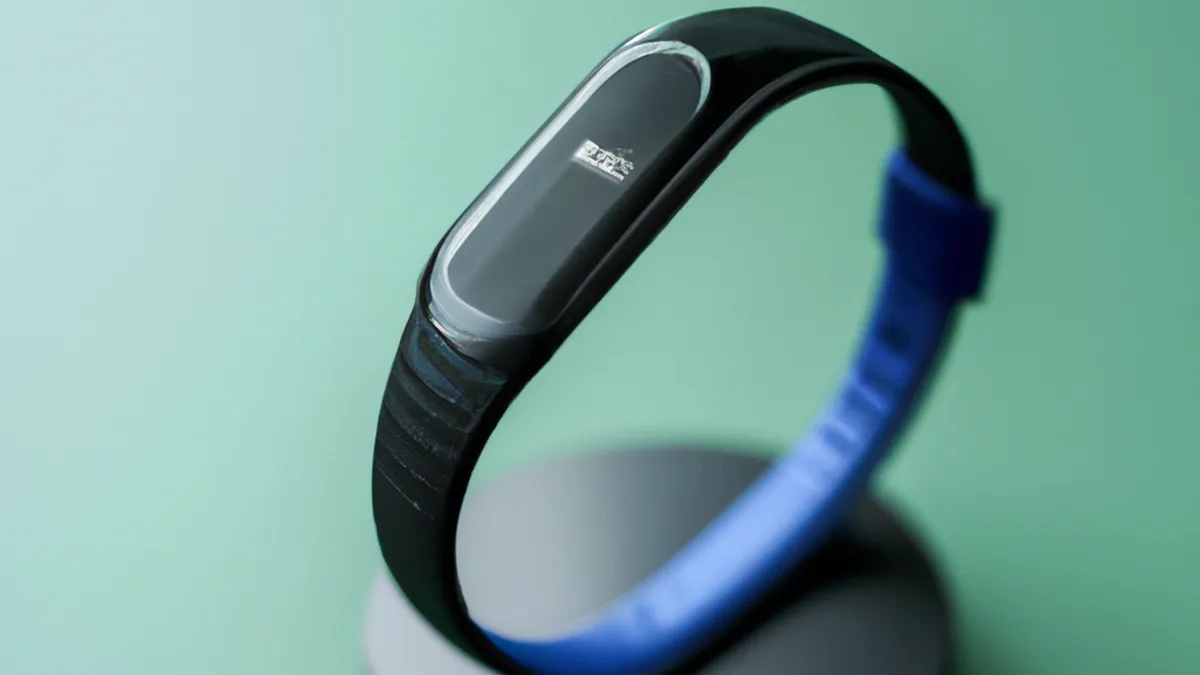
Wearables vs. Traditional: Which Wins?
Comparing Fitness Trackers: Pros and ConsFitness trackers have gained popularity as tools for monitoring health and wellness. They count steps, track heart rates, and analyze sleep patterns. These devices help users achieve fitness goals. However, selecting the right fitness tracker can overwhelm you due to many options. This blog post explores the pros and cons of fitness trackers, helping you make an informed decision based on your needs and lifestyle.
Understanding Fitness Trackers
Fitness trackers range from simple wristbands to advanced smartwatches. They offer features like step counting, calorie tracking, heart rate monitoring, GPS, and sleep analysis. These devices provide benefits but also have drawbacks. Understanding both sides helps you determine if a fitness tracker suits you.
Benefits of Fitness Trackers
**1. Promotion of Physical Activity**Fitness trackers promote physical activity effectively. They track your steps, distance, and active minutes, encouraging movement throughout the day. Many trackers include daily step goals, motivating you to walk, jog, or exercise. Research shows that users of fitness trackers often increase overall activity levels, improving health and fitness.**2. Accountability and Goal Setting**Fitness trackers enhance accountability. Users set personal goals, such as daily step counts or weekly exercise targets, and monitor their progress. Visualizing achievements boosts motivation. Many devices allow connections with friends or participation in challenges, fostering a supportive community and healthy competition.**3. Enhanced Understanding of Health Metrics**Fitness trackers offer insights into health metrics like heart rate, sleep quality, and calorie expenditure. This information allows you to make informed health and fitness decisions. For example, if your heart rate spikes during certain activities, you can adjust workout intensity. Tracking sleep patterns helps identify factors affecting rest, enabling improvements in sleep quality.**4. Integration with Other Health Apps**Many fitness trackers integrate with health and wellness applications. This integration consolidates data, providing a comprehensive understanding of your health. It can include nutrition tracking, workout planning, and mental health monitoring. Having all your health data in one place helps identify trends and make lifestyle changes.
Drawbacks of Fitness Trackers
Despite their benefits, fitness trackers have drawbacks that users should consider.**1. Accuracy Concerns**Some fitness trackers may lack accuracy in tracking metrics. Users might receive misleading data about their activity levels or health metrics. This can lead to frustration and poor decision-making regarding fitness routines.
Conclusion
As an Amazon Associate I earn from qualifying purchases.
Gear tip: consider sleep mask, white noise machine, and blue light blocking glasses to support this topic.
Fitness trackers offer numerous benefits, including promoting physical activity and enhancing accountability. However, consider their drawbacks, such as accuracy concerns. Evaluate your individual needs to decide if a fitness tracker fits your lifestyle.
Below are related products based on this post:
FAQ
What are fitness trackers used for?
Fitness trackers are devices designed to monitor various health and wellness metrics, including steps taken, heart rate, and sleep patterns. They help users achieve their fitness goals by providing insights and encouraging physical activity throughout the day.
What are the benefits of using a fitness tracker?
Fitness trackers promote physical activity by tracking steps and active minutes, enhancing accountability through goal setting, and providing insights into health metrics. They also integrate with other health apps, allowing users to consolidate their health data for better lifestyle management.
What are some drawbacks of fitness trackers?
One significant drawback of fitness trackers is accuracy concerns. Some devices may provide misleading data regarding activity levels or health metrics, which can lead to frustration and poor decision-making about fitness routines.














Post Comment