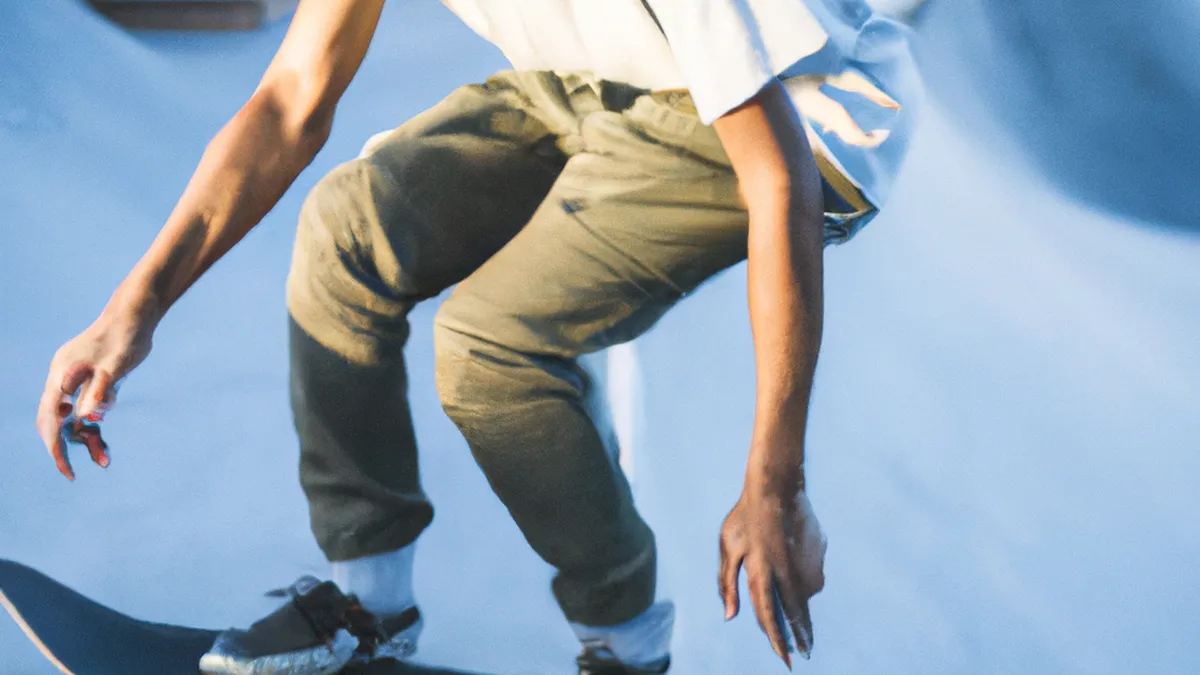
Video Review: Your Secret to Improvement
Using Video to Improve TechniqueVideo revolutionizes how we learn and enhance our skills. Athletes, musicians, dancers, and performers can gain insights by recording themselves. This blog post shares effective video techniques, practical tips, and the benefits of using this powerful tool.
Tips for Recording Yourself
Choose the Right Equipment
You don’t need expensive gear to start recording. A smartphone with a good camera suffices for most purposes. Ensure your device records in high definition for clear visuals, essential for thorough performance analysis.Next, select a recording environment with good lighting and minimal background noise. Optimal conditions help you concentrate on your technique without distractions. Natural light often showcases details in your movements best.
Set Up the Camera Properly
Position your camera at eye level for the best perspective. This angle captures your movements accurately. If possible, use a tripod to stabilize your shots for a steady image during review.Consider recording from multiple angles. Different viewpoints reveal aspects you might miss from one perspective. A side view displays posture and alignment, while a front view highlights facial expressions and audience engagement.
Plan Your Sessions
Before recording, plan your focus for each session. Identify specific skills or techniques for improvement. This targeted approach makes recordings effective and allows you to track progress over time.After recording, take notes on your performance. Write what you did well and areas needing improvement. This information guides your practice and keeps you focused on your goals.
Advice for Analyzing Your Videos
As an Amazon Associate I earn from qualifying purchases.
Gear tip: consider compression sleeves, compression socks, and percussive massager to support this topic.
Watch With a Critical Eye
Review your videos multiple times. On the first viewing, observe your overall performance and immediate flaws. Step back and see yourself as an audience member would.On subsequent viewings, focus on specific details like body mechanics, timing, and execution. Look for inconsistencies that may hinder your performance. You might notice a lack of fluidity or timing issues in certain sections. Identifying these problems is the first step toward improvement.
Seek Feedback
Share your videos with a coach, mentor, or trusted peer. They can provide an outside perspective and point out areas you may overlook. Constructive criticism fosters growth, as others’ experiences can highlight performance aspects needing attention.If in-person feedback isn’t available, consider online forums or social media groups related to your discipline. Many communities focus on skill development, and sharing your videos can lead to helpful advice from fellow enthusiasts.
Conclusion
In summary, using video effectively enhances your skills and supports your growth. Embrace this powerful tool for continuous improvement.
Below are related products based on this post:
FAQ
What equipment do I need to start recording myself?
You don’t need expensive gear to start recording. A smartphone with a good camera is sufficient for most purposes, as long as it records in high definition for clear visuals, which is essential for thorough performance analysis.
How should I set up my camera for recording?
Position your camera at eye level to capture your movements accurately. Using a tripod can help stabilize your shots, and consider recording from multiple angles to reveal different aspects of your performance.
What should I focus on when analyzing my videos?
Watch your videos multiple times, beginning with an overall performance review followed by a detailed examination of specific elements like body mechanics and timing. Note any inconsistencies that could hinder your performance, as identifying these issues is crucial for improvement.












Post Comment