
Veganism: A Game Changer for Athletes
Coaching Tips for Vegan AthletesVegan athletes face unique training and nutrition challenges. Many worry that a plant-based diet limits their performance. With proper guidance, vegan athletes can excel. This guide offers coaching tips to enhance performance and meet nutritional needs.
Understand Nutritional Needs
Nutrition underpins athletic performance. Vegan athletes must consume adequate calories and nutrients. Focus on these key areas:
Protein Sources
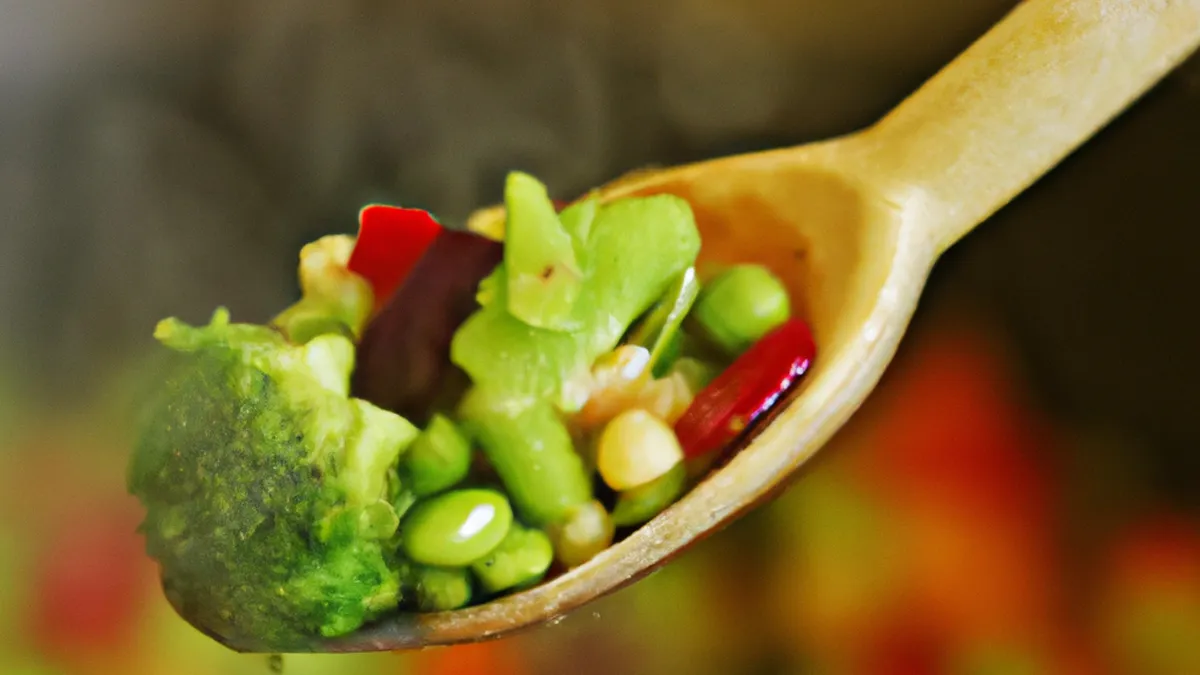
A well-planned plant-based diet provides ample protein. Include diverse protein-rich foods like legumes, tofu, tempeh, and seitan. These foods supply essential amino acids for muscle repair and growth. Encourage athletes to spread protein intake throughout the day to maximize muscle synthesis and recovery.Whole grains like quinoa and oats also provide protein. Nuts and seeds, such as chia and almonds, offer protein and healthy fats.
Micronutrients Matter
Vegan athletes may miss vital vitamins and minerals found in animal products. Pay attention to vitamin B12, iron, calcium, and omega-3 fatty acids. Recommend fortified foods or supplements for vitamin B12, crucial for energy metabolism and nerve function.Iron transports oxygen in the blood. Encourage athletes to eat iron-rich foods like lentils and dark leafy greens. Pair these foods with vitamin C sources to enhance iron absorption. Suggest fortified plant milks, tofu, and leafy greens for calcium. Obtain omega-3 fatty acids from flaxseeds, walnuts, and algae-based supplements.
Hydration is Key
Hydration is crucial for all athletes. Encourage vegan athletes to drink water throughout the day and during workouts. After intense sessions, they should consider electrolyte drinks to replenish lost minerals. Coconut water and homemade sports drinks can provide hydration and essential nutrients.
Meal Planning Strategies
As an Amazon Associate I earn from qualifying purchases.
Gear tip: consider reusable snack bags, electrolyte mix, and soft flask to support this topic.
Help vegan athletes plan balanced meals for energy and nutrition. A structured meal plan supports performance and recovery while honoring dietary preferences.
Pre-Workout Nutrition
Advise athletes to eat a balanced meal or snack 1-2 hours before workouts. A mix of complex carbohydrates and protein works best. For example, oatmeal with almond butter and banana provides sustained energy.
Conclusion
In summary, vegan athletes can thrive by understanding their nutritional needs and planning balanced meals.
Below are related products based on this post:
FAQ
What are the main nutritional needs for vegan athletes?
Vegan athletes must ensure they consume adequate calories and nutrients to support their performance. Key areas to focus on include protein sources, micronutrients, and hydration to meet their unique dietary requirements.
How can vegan athletes get enough protein?
A well-planned plant-based diet can provide ample protein through diverse sources like legumes, tofu, tempeh, and seitan. It is beneficial for athletes to spread their protein intake throughout the day to enhance muscle synthesis and recovery.
Why are micronutrients important for vegan athletes?
Micronutrients such as vitamin B12, iron, calcium, and omega-3 fatty acids are crucial for vegan athletes as they may be lacking in a plant-based diet. These nutrients support energy metabolism, oxygen transport, and overall health, making it essential to include fortified foods or supplements.











Post Comment