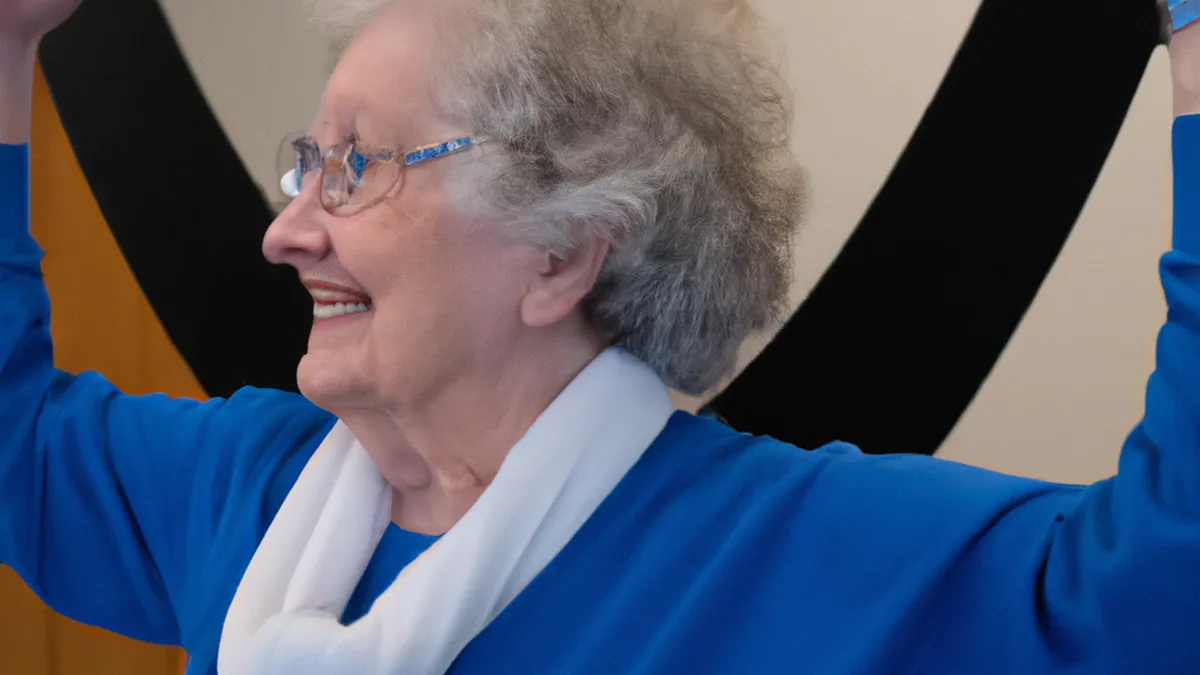
Unified Fitness: Engaging Mixed-Age Groups
Adapting Drills for Mixed-Age TeamsCoaching mixed-age teams offers both rewards and challenges. You see young athletes grow alongside older players. However, age and skill differences can create varied learning experiences. As a coach, adapt your drills to meet these differences. This blog post provides tips for creating effective drills that promote inclusivity, skill development, and team cohesion.
Understand the Age Differences
Age differences can impact players’ learning and engagement. Younger athletes may struggle with complex tasks due to developing motor skills. They need straightforward, repetitive practice to build foundational skills. In contrast, older players often seek more challenging tasks to stay engaged.Acknowledge these differences to create a balanced environment. Understanding each age group’s capabilities will help you tailor drills effectively.
Assess Skill Levels
Before designing drills, assess your players’ skill levels. Use short practice sessions or skill-specific challenges to evaluate strengths and weaknesses. This assessment provides valuable insights and helps you select appropriate drills.
Create Flexible Drills
After assessing skill levels, create flexible drills that accommodate team diversity. Include varying difficulty levels and allow for modifications. For example, in a passing drill, younger players can focus on mastering basic techniques. Older players can work on advanced strategies or tactical decisions.This layered approach keeps everyone engaged and allows for tailored feedback, fostering individual growth.
Tips for Adapting Drills
As an Amazon Associate I earn from qualifying purchases.
Gear tip: consider light resistance bands, ankle weights, and supportive leggings to support this topic.
Adapting drills for mixed-age teams requires creativity. Here are effective tips to make your drills inclusive and beneficial:
Use Progressive Difficulty
Implement drills that increase in complexity. Start with basic tasks all players can complete successfully. Gradually introduce challenging elements. For instance, begin with stationary passing drills. Once players master that, add movement, such as passing on the run. Finally, introduce defenders for game-like scenarios. This progression keeps everyone involved and motivated.
Incorporate Teamwork
Encourage teamwork by pairing younger players with older ones. This strategy promotes learning and fosters camaraderie. Older players can mentor younger athletes, providing guidance and support.
Conclusion
Adapting drills for mixed-age teams enhances inclusivity and skill development. Tailor your approach to engage and support all players effectively.
Below are related products based on this post:
FAQ
What are the benefits of coaching mixed-age teams?
Coaching mixed-age teams allows young athletes to grow alongside older players, fostering a supportive environment. This setup encourages inclusivity and helps develop essential skills across different age groups.
How can I assess the skill levels of my players?
To assess skill levels, conduct short practice sessions or skill-specific challenges. This evaluation will provide insights into each player’s strengths and weaknesses, enabling you to design appropriate drills.
What strategies can I use to adapt drills for mixed-age teams?
Implement drills with progressive difficulty to cater to varying skill levels. Pair younger players with older ones to encourage teamwork and mentorship, ensuring that all players remain engaged and supported.
Part of the Complete Strength Training Guide
Explore more: Complete Strength Training Guide












Post Comment