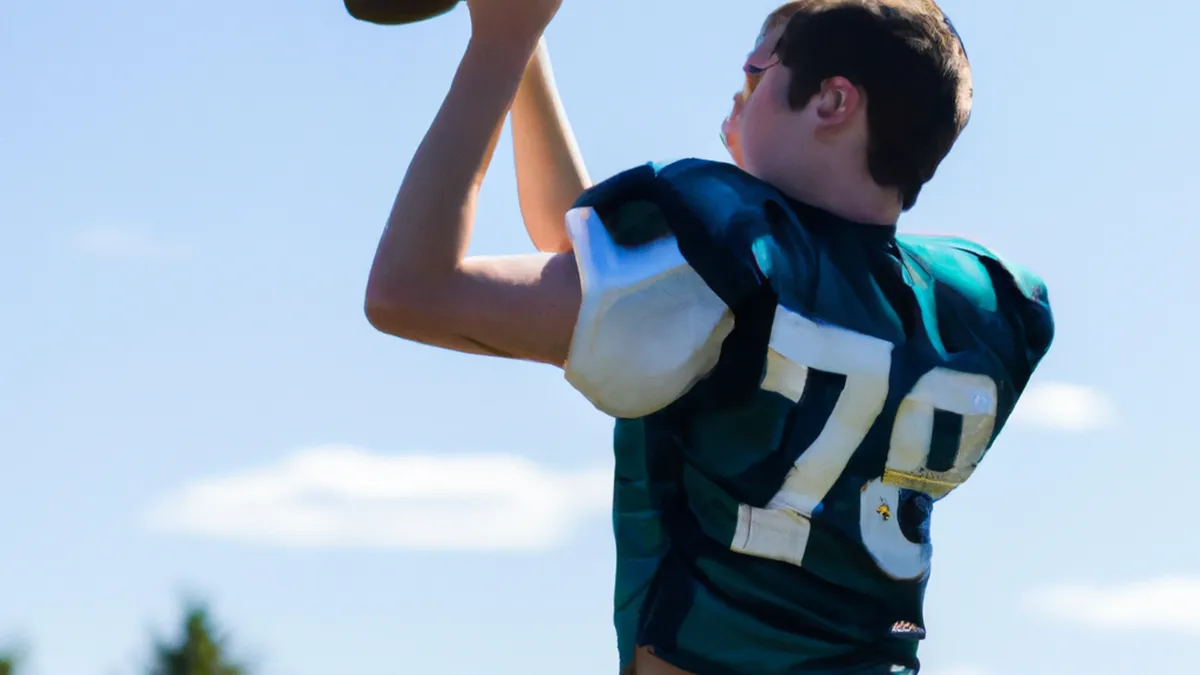
Understand Common Collegiate Sports Injuries
Common Collegiate Injuries OverviewCollege offers students opportunities for self-discovery, learning, and physical activity. Many students join sports teams or engage in recreational activities. However, this increased physical activity can lead to common injuries. Understanding these injuries helps students prevent them and maintain a healthy lifestyle.
Types of Common Collegiate Injuries
Collegiate athletes and active students often face injuries from overuse, improper technique, or inadequate conditioning. Here are some common injuries among college students engaged in athletics or fitness activities:
1. Sprains and Strains
**Sprains** and **strains** rank among the most common injuries in collegiate athletics. Sprains occur when ligaments overstretch or tear. Athletes often experience ankle or knee sprains during jumping, pivoting, or sudden direction changes. An example is an ankle sprain from landing awkwardly after a jump.**Strains** involve stretching or tearing muscles or tendons. Athletes frequently strain muscles in their back, hamstring, or quadriceps. Improper warm-up routines, fatigue, or overexertion often cause strains.
2. Fractures
Fractures can occur in any sport, often due to falls, collisions, or extreme stress. These injuries fall into two categories: **acute fractures**, which result from sudden trauma, and **stress fractures**, which develop over time from repetitive stress. Runners and high-impact athletes commonly experience stress fractures.
3. Tendonitis
**Tendonitis** involves tendon inflammation, typically due to overuse. It can affect various body parts, including the knee, elbow, or shoulder. Athletes often develop tendonitis from repetitive motions without adequate recovery. Early recognition of symptoms—such as pain and swelling—can prevent more severe injuries.
4. Concussions
Concussions are traumatic brain injuries occurring in contact sports like football, soccer, and hockey. These injuries result from a blow to the head or sudden jolts causing the brain to move within the skull. Symptoms range from headaches and dizziness to confusion and memory loss. Proper management and recovery are essential for athletes suffering concussions, as returning too soon can lead to serious consequences.
Prevention Tips
As an Amazon Associate I earn from qualifying purchases.
Gear tip: consider stretching strap, yoga blocks, and mobility sliders to support this topic.
Preventing injuries is crucial for college students who wish to remain active in sports.
Conclusion
Understanding common collegiate injuries aids students in prevention and maintaining an active lifestyle.
Below are related products based on this post:
FAQ
What are the most common injuries among college athletes?
The most common injuries among college athletes include sprains, strains, fractures, tendonitis, and concussions. These injuries often result from overuse, improper technique, or inadequate conditioning during physical activities. Understanding these injuries can help in their prevention.
How can sprains and strains occur?
Sprains and strains often occur during activities that involve jumping, pivoting, or sudden changes in direction. Sprains typically affect ligaments, while strains involve muscles or tendons. Both can result from improper warm-up routines or overexertion.
What is tendonitis and how can it be prevented?
Tendonitis is the inflammation of a tendon caused by overuse and can affect various body parts such as the knee or shoulder. To prevent tendonitis, athletes should ensure they allow adequate recovery time and recognize early symptoms like pain and swelling. Proper technique and conditioning are also vital.














Post Comment