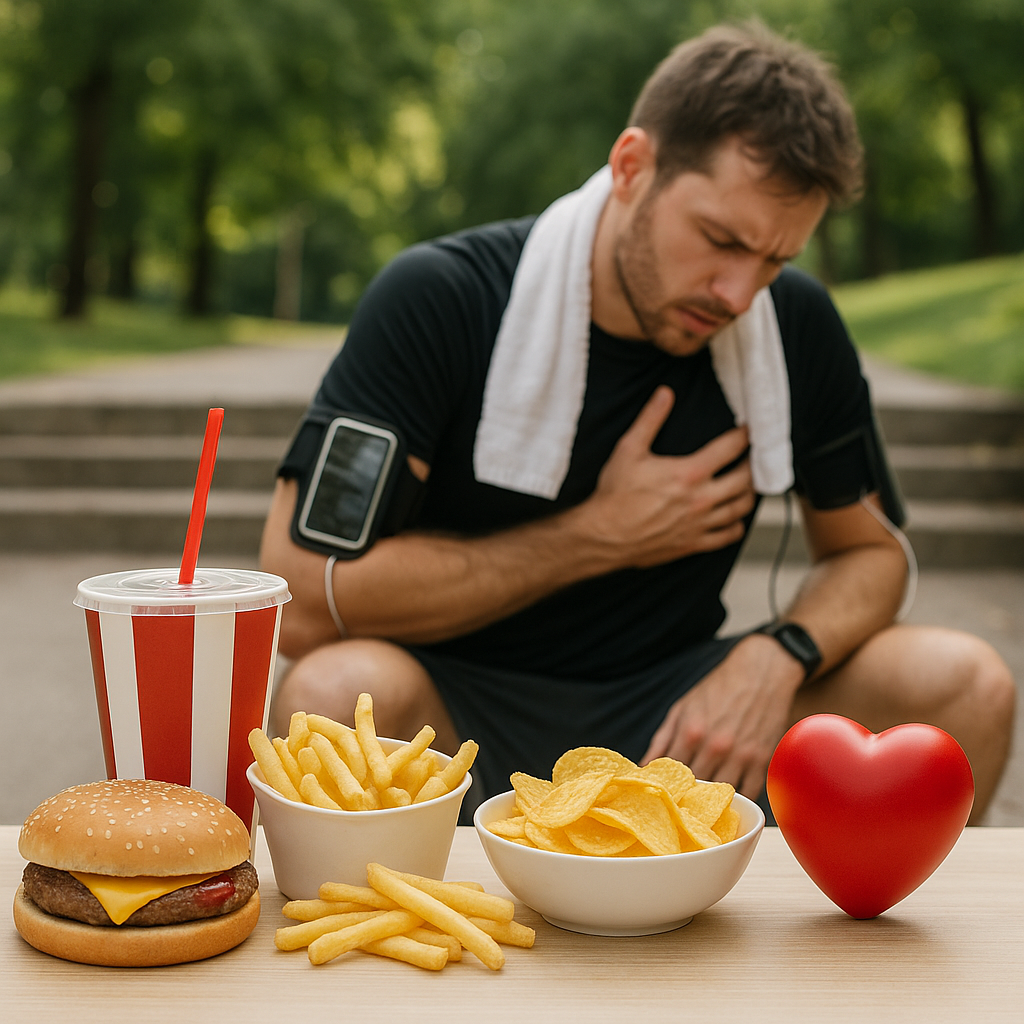
High Intake of Ultra-Processed Foods Tied to a Much Higher Risk of Heart Attack and Stroke
Quick Summary
- Adults with the highest consumption of ultra-processed foods had a 47% greater risk of heart attack or stroke in a recent national-data analysis.
- That elevated risk persisted after accounting for age, smoking, income and other common risk factors.
- Ultra-processed foods are industrially formulated products with little whole food content and many additives; reducing them can improve diet quality.
- Practical swaps, meal planning and label-reading are effective ways to cut back without feeling deprived.
Why this finding matters
Ultra-processed foods are now a dominant part of many Americans’ diets — think packaged snacks, sugary breakfast items, reconstituted ready meals, and many fast-food options. When researchers analyzed national health data, they found a stark association: adults who ate the most ultra-processed foods had about a 47% higher chance of experiencing a heart attack or stroke compared with those who ate the least. Importantly, this relationship remained even after adjustments for age, smoking status, and socioeconomic factors.
What are ultra-processed foods?
Ultra-processed foods are industrial formulations usually made from isolated ingredients (oils, sugars, starches, and protein isolates), flavorings, colorings, emulsifiers and other additives. They typically undergo multiple manufacturing steps and contain minimal — if any — intact whole foods. Common examples include:
- Sweetened breakfast cereals, packaged pastries and cookies
- Soda, many bottled fruit-flavored drinks and sweetened beverages
- Instant noodles, packaged soups and many frozen ready meals
- Processed deli meats, some reconstituted meat products and many snack foods
Why might they raise cardiovascular risk?
Several mechanisms can help explain the link between ultra-processed food intake and cardiovascular events:
- High in refined carbohydrates, added sugars, unhealthy fats and salt — nutrients known to worsen blood pressure, blood lipids and blood sugar control.
- Lower in fiber, vitamins and bioactive compounds found in whole foods, which protect blood vessels and metabolic health.
- Food additives and processing can alter the food’s structure and how it’s metabolized; emerging research suggests some additives could affect gut health and inflammation.
- Ultra-processed products can promote overeating because of high palatability, large portion availability, and rapid digestibility.
What the research actually shows — and what it doesn’t
The reported 47% higher risk is an association observed in population data. That means higher intake of ultra-processed foods correlated with increased cardiovascular events after statistical adjustments. It does not prove that a single food item directly caused a heart attack or stroke in a particular person. Observational studies can’t fully eliminate all confounding factors, but the strength of the association and the consistency across analyses raise important red flags for public health.
Practical steps to reduce ultra-processed foods
Cutting back doesn’t require perfection. Small, sustainable changes can meaningfully reduce exposure and improve overall diet quality.
- Start meals with whole foods: prioritize vegetables, fruit, whole grains, legumes, nuts, seeds, lean proteins and dairy or fortified plant-based alternatives.
- Cook more at home: even simple at-home meals using whole ingredients tend to be less processed than ready-made options.
- Swap snacks: choose plain yogurt with fruit or a handful of nuts instead of packaged snack cakes or chips. For ideas on boosting home-baked options, consider using seed- or nut-flour recipes such as sunflower-seed flour bread to upgrade baked goods.
- Read labels: look for short ingredient lists and recognizable items. Avoid products with long lists of unfamiliar additives or multiple types of added sugars near the top.
- Limit sugary beverages: replace sodas and sweetened drinks with water, sparkling water, or unsweetened teas.
- Plan and prep: a little weekly meal prep reduces the reliance on convenience foods when time is tight.
- Watch timing and habits: late-night processed snacking can boost calorie intake and disturb sleep; aligning meals with a day-night rhythm supports heart health.
Simple swaps to try this week
- Instead of instant noodles, make a quick stir-fry with frozen veggies and whole-grain noodles or rice.
- Trade sugary cereal for oatmeal topped with fruit and nuts.
- Choose whole fruit over fruit-flavored snacks or fruit drinks.
- Replace packaged lunch meats with grilled chicken, hummus and fresh vegetables on whole-grain bread.
Checklist: Reduce ultra-processed foods (easy daily guide)
- [ ] Fill half your plate with vegetables or salad at most meals.
- [ ] Choose water or unsweetened beverages instead of sugary drinks.
- [ ] Read one food label today and pick one ingredient to avoid (e.g., high-fructose corn syrup).
- [ ] Prepare at least one home-cooked meal this week.
- [ ] Swap one packaged snack for a whole-food alternative.
- [ ] Keep quick healthy staples on hand (canned beans, frozen veg, whole grains).
Common Mistakes when cutting ultra-processed foods
- Assuming any product labeled “natural” or “organic” isn’t ultra-processed — marketing terms can be misleading; check the ingredients.
- Thinking all packaged foods are equally bad — some minimally processed items (canned beans, frozen vegetables, whole-grain bread with few ingredients) can be useful.
- Trying to overhaul everything at once — aiming for sustainable small changes is more effective than extreme short-term restrictions.
- Neglecting overall calories and nutrients — replacing ultra-processed foods with other high-calorie choices won’t improve heart risk much without attention to balance and portion sizes.
- Ignoring meal timing and lifestyle factors — sleep, stress, activity and late-night eating patterns also influence heart health. For guidance on timing and heart-friendly habits, see tips on avoiding late-night eating.
Who should pay special attention?
While everyone benefits from a diet centered on whole foods, some groups may see particularly strong gains from reducing ultra-processed intake: people with high blood pressure, high cholesterol, type 2 diabetes, obesity, or a family history of heart disease. Older adults and those with limited access to fresh foods should focus on practical, cost-effective strategies and local resources.
Final takeaways
The association between high ultra-processed food consumption and a substantially increased risk of heart attack and stroke is a public-health alarm bell. Replacing many packaged, industrially processed items with whole-food choices — without striving for perfection — is a realistic way to lower long-term cardiovascular risk. Small, consistent changes to what you buy, cook and snack on can add up to meaningful improvements in heart health.
Conclusion
This research adds to a growing body of evidence suggesting that the structure and content of modern processed foods matter for heart health. Rather than focusing on single nutrients, a shift back toward whole-food meals and fewer industrial products may be one of the most effective strategies to reduce population-level heart attack and stroke risk. If you have specific health concerns, consult a healthcare provider or registered dietitian to tailor changes to your medical needs and personal circumstances.
FAQ
1. What exactly counts as an ultra-processed food?
Ultra-processed foods are typically industrially made products that contain little intact whole food and many added ingredients like sugars, refined oils, modified starches, flavor enhancers and preservatives. Examples include many packaged snacks, sugary cereals, ready meals and sodas.
2. Can occasional ultra-processed foods be part of a healthy diet?
Yes. Occasional consumption won’t automatically cause harm. The risk relates to habitual, high intake. Prioritizing whole foods while allowing occasional treats is a practical approach for most people.
3. Will cutting ultra-processed foods immediately reduce my heart attack risk?
Changes in risk accumulate over time. Improving diet quality can lead to better blood pressure, cholesterol and blood sugar control within weeks to months, but long-term risk reduction depends on sustained habits and other lifestyle factors.
4. Are there affordable ways to eat less processed food?
Yes. Use frozen vegetables and legumes, buy whole grains in bulk, prepare simple meals at home, and plan leftovers. Small changes in shopping and meal prep can cut costs and reduce processed-food reliance.
5. Who should I talk to about personal heart risk and diet changes?
If you have cardiovascular disease, diabetes, high blood pressure, or other chronic conditions, speak with your primary care clinician or a registered dietitian. They can assess your risk and help tailor dietary and lifestyle changes safely.
Related reading: consider practical baking swaps like sunflower-seed flour for home-baked goods and strategies to avoid late-night eating to support heart health.
Part of the Complete Strength Training Guide
Explore more: Complete Strength Training Guide














2 comments