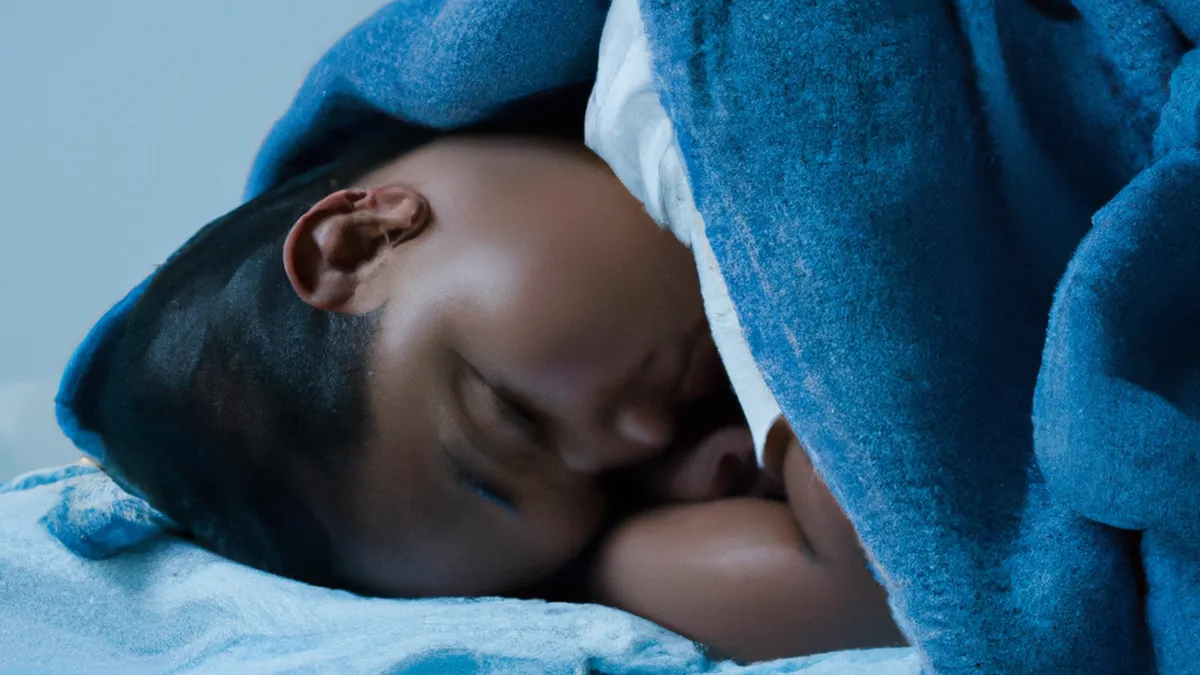
Trouble Sleeping? Explore Your Diagnosis Options
Understanding Sleep Disorders and Diagnosis TechniquesSleep plays a vital role in health and well-being. Millions worldwide struggle with sleep disorders, disrupting rest and daily life. These conditions can lead to physical and psychological issues. Understanding sleep disorders and diagnostic techniques helps individuals seek effective management and improve quality of life.
Common Sleep Disorders
Various sleep disorders exist, each with unique symptoms. Here are some prevalent ones:
Insomnia
Insomnia causes difficulty falling asleep or staying asleep. It can be acute or chronic, stemming from stress, anxiety, depression, or medical conditions. Chronic insomnia leads to fatigue, irritability, and difficulty concentrating, perpetuating sleep deprivation.
Sleep Apnea
Sleep apnea involves repeated breathing interruptions during sleep. These pauses last seconds to minutes and occur multiple times nightly. Symptoms include loud snoring, gasping for air, and excessive daytime drowsiness. Untreated sleep apnea can result in severe health complications.
Restless Legs Syndrome (RLS)
Restless Legs Syndrome causes uncomfortable leg sensations and an urge to move. This condition disrupts sleep and leads to daytime fatigue.
Narcolepsy
Narcolepsy affects the brain’s sleep-wake regulation. Individuals experience sudden sleep attacks at inappropriate times, even during activities. Other symptoms include cataplexy, sleep paralysis, and vivid hallucinations.
Diagnosing Sleep Disorders
As an Amazon Associate I earn from qualifying purchases.
Gear tip: consider sleep mask, aromatherapy diffuser, and cooling gel pillow to support this topic.
Diagnosing sleep disorders requires a comprehensive approach. Healthcare providers use various techniques to identify the issue.
Sleep History
The first step involves obtaining a detailed sleep history. Patients often keep a sleep diary for two weeks, recording patterns and disturbances. Providers also ask about lifestyle, medical history, and medications affecting sleep. This information helps understand the patient’s issues.
Polysomnography
Polysomnography serves as the gold standard for diagnosing sleep disorders. Conducted overnight in a sleep lab, this test records brain waves, oxygen levels, heart rate, and breathing patterns.
Conclusion
Understanding sleep disorders and their diagnosis empowers individuals to seek effective management strategies. Improved awareness can enhance overall quality of life.
Below are related products based on this post:
FAQ
What are some common sleep disorders?
Common sleep disorders include insomnia, sleep apnea, restless legs syndrome, and narcolepsy. Each disorder presents unique symptoms that can significantly disrupt sleep and affect daily life. Understanding these conditions is crucial for effective management.
How is insomnia characterized?
Insomnia is characterized by difficulty falling asleep or staying asleep, which can be either acute or chronic. It often arises from stress, anxiety, depression, or underlying medical conditions, leading to fatigue and irritability.
What diagnostic techniques are used for sleep disorders?
Diagnosing sleep disorders involves a comprehensive approach, starting with a detailed sleep history obtained from the patient. Additionally, polysomnography is often used as the gold standard, where a patient is monitored overnight to record various physiological parameters.













Post Comment