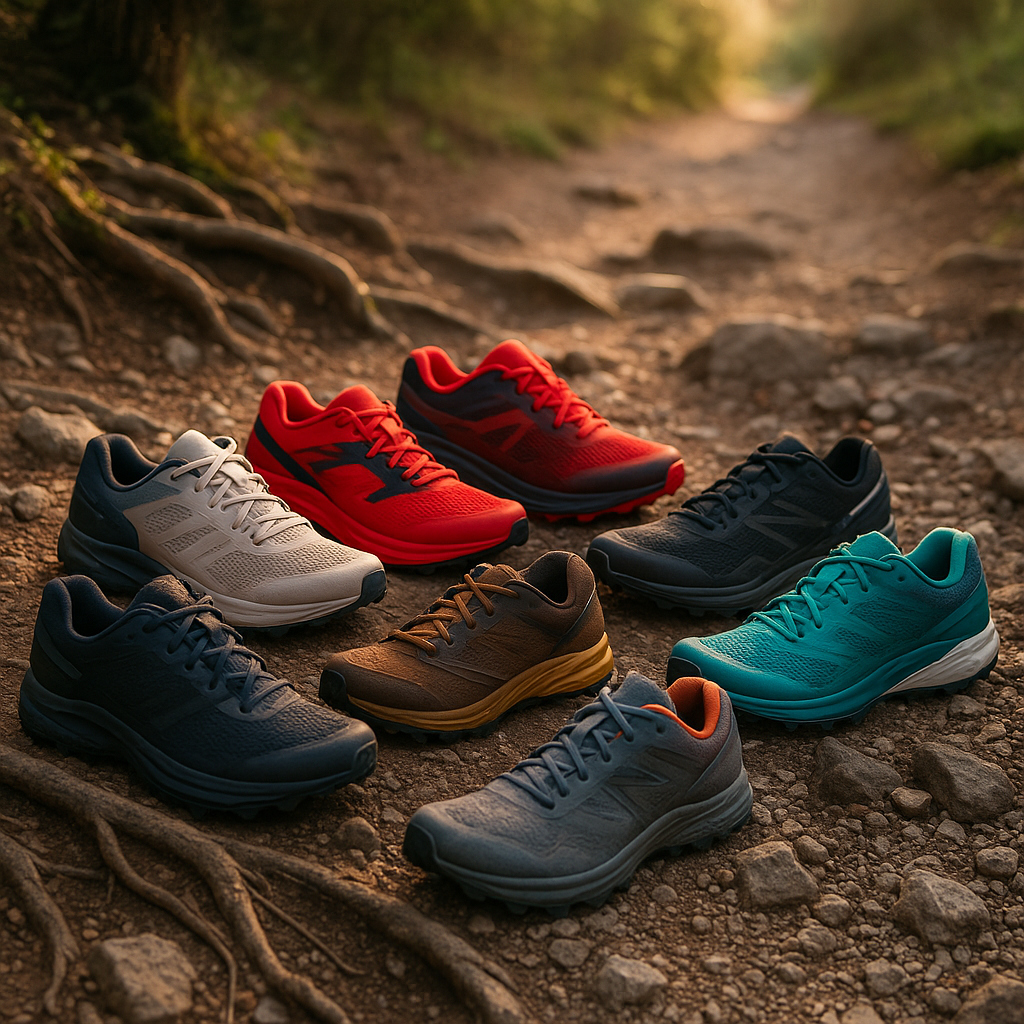
Trail-Ready Picks: 8 Top Trail Running Shoes for Rocks, Roots, and Gravel
Quick Summary
- Trail shoes vary by traction, protection, and cushioning—match the shoe to your terrain (mud, rock, mixed gravel).
- We recommend eight reliable models that cover everything from lightweight, fast runs to plush, long-distance comfort.
- Try shoes on later in the day with trail socks and test them on/near a trail before committing.
Intro: Why the right trail shoe matters
Trail running mixes technical footing, changing surfaces and the unpredictability of outdoor conditions. A shoe that grips well, protects your feet, and fits your stride can mean the difference between a confident run and a twisted ankle or ruined blister. Below are eight versatile trail shoes we recommend for a range of conditions—rocky singletrack, loose gravel roads, muddy climbs and longer, cushioned runs.
How we chose these picks
We prioritized traction, protection (rock plates, toe bumpers), ride feel (cushion vs. responsiveness), durability, and fit versatility. The list is balanced across lightweight racers, all-purpose trail shoes, and high-cushion options for long days. Personal preference matters: if you prefer plush cushioning, check models from HOKA and other cushioned lines; if you need stability, consult specialty picks too.
Related reading on cushioning and shoe choices: see guidance on plush cushioning and stability for runners: HOKA plush cushioning and best stability running shoes.
Top 8 trail running shoes (what they’re best for)
1. Salomon Speedcross (aggressive grip for mud and soft trails)
Why it stands out: Known for aggressive, deep lugs and reliable bite in soft, muddy conditions. The upper typically hugs the midfoot for a secure feel and the outsole excels on slippery climbs.
Best for: Mud, forest trails, soft singletrack. Great when traction is a priority over minimal weight.
Considerations: Narrower fit for some feet; many runners size up if you’re between sizes or prefer a roomier toe box.
2. HOKA Speedgoat (max-cushion, long days on rough terrain)
Why it stands out: A cushioned, stable platform with dependable lug pattern for mixed terrain. Favored by runners who want comfort across long distances without sacrificing traction.
Best for: Long trail runs, ultra training, mixed rocky and softer surfaces. If you like plush cushioning, this is a go-to; read more about plush cushioning considerations here.
Considerations: Slightly higher stack height—feels very cushioned; some runners trade a bit of ground feel for comfort.
3. Altra Lone Peak (zero-drop, roomy toe box for natural foot splay)
Why it stands out: Zero-drop platform and a wide toe box allow natural toe splay and stable landings—many trail runners prefer this for comfort on long, uneven terrain.
Best for: Runners who prefer minimal drop and a roomy forefoot; good for varied trails and long hikes/runs.
Considerations: If you’re used to traditional drop, allow time to adapt to zero-drop designs.
4. Brooks Cascadia (durable, stable all-rounder)
Why it stands out: Balanced cushioning, protective rock plate options, and a reliable outsole make it a solid everyday trail shoe for many runners. It blends road-like comfort with trail protection.
Best for: Versatile trail running across mixed conditions and runners who want a dependable, stable ride. Want stability-focused picks? See our stability guide here.
Considerations: Often a safe middle-ground but not the most aggressive for mud or the lightest for racing.
5. Saucony Peregrine (versatile traction for fast, technical runs)
Why it stands out: Aggressive but well-spaced lugs deliver grip without packing mud, and the ride is responsive—good for faster, technical runs when you need speed and stability.
Best for: Faster technical trails and mixed terrain where responsiveness matters.
6. La Sportiva Bushido (technical rock handling and precise fit)
Why it stands out: Built for technical rock and sticky traction, this shoe feels secure on tight, rocky singletrack and steep descents.
Best for: Technical rocky terrain, steep and highly uneven trails where grip and precision are paramount.
Considerations: Narrower, performance-oriented fit; not the plushest for long ultras unless you prefer minimal extra cushioning.
7. Nike Pegasus Trail (road-to-trail crossover with smooth ride)
Why it stands out: Carries road-running comfort into the dirt—lighter, cushioned, and suited for compact or less-technical trails. Good option if you split time between road and trail.
Best for: Compacted or well-maintained trails, runners who also use road shoes and want one crossover model.
8. HOKA Torrent (lightweight, responsive trail racer)
Why it stands out: Lighter than some HOKA models with a springier ride and adequate traction for faster trail efforts. A great pick for tempo runs and shorter technical outings.
Best for: Fast, shorter trail runs and races where responsiveness and lower weight matter.
How to choose the right trail shoe for you
Match shoe to terrain
Mud and soft dirt: deep, widely spaced lugs (e.g., Speedcross). Rocky technical: sticky rubber and a secure fit (e.g., La Sportiva). Long miles on varied ground: cushioning and durability (e.g., Speedgoat, Cascadia).
Fit, fit, fit
Try shoes on with trail socks. Ensure your toes have room to move on descents—about a thumb’s width at the toe. Heel slip should be minimal; midfoot lockdown should feel secure without pressure points.
Protection and features
Decide on rock plates, reinforced toe bumpers, and waterproof membranes. Waterproof shoes help in wet conditions but often reduce breathability on hot runs.
Practical steps — try-before-you-buy checklist
- Try shoes later in the day (feet swell after activity).
- Wear the socks you run in and bring orthotics if you use them.
- Do a walk and short jog in-store and test twist and bend to sense flexibility and protection.
- If possible, run a short loop on real trail or buy from a retailer with an easy return policy and test on trail for 1–3 runs.
- Assess hotspot formation and heel slip after 5–10 miles; don’t ignore early clues.
Quick checklist to bring with you
- Trail socks you normally wear
- Your current insole/orthotic (if used)
- Time to test-run or walk on uneven surfaces
- Knowledge of the terrain you run most often
Common Mistakes to Avoid
- Buying based on looks or color rather than traction and fit.
- Assuming one shoe fits every trail—different surfaces need different outsoles and protection.
- Choosing waterproof shoes for hot, dry climates (can cause overheating and blisters).
- Not testing shoes on trail before committing, or ignoring how they feel on technical descents.
- Failing to replace worn out lugs and midsoles—old shoes lose grip and protection.
Caring for trail shoes
Rinse mud and grit after runs, dry away from direct heat, and rotate shoes if you run often. Keep an eye on midsole compression and outsole wear; these are signals it’s time for a fresh pair.
Conclusion
Selecting the right trail shoe is about matching the shoe’s strengths to the type of trail you most often run and the ride you prefer. From aggressive lug patterns for muddier routes to cushioned platforms for long days, the eight models above cover the range. Test them on the terrain you frequent, and if you have recurring pain or injury concerns, consult a podiatrist or a physical therapist for personalized advice. For runners transitioning from road to trail or wanting more supportive options, our beginner and stability resources can help you choose the right entry point: best running shoes for beginners and choosing the right cushioning style.
FAQ
Q1: How often should I replace trail running shoes?
A: Replacement depends on mileage and terrain. A rough rule is 300–500 miles, but aggressive trails and heavier runners can shorten that lifespan. Watch for loss of cushioning, compressed midsoles, or worn lugs.
Q2: Do I need waterproof trail shoes?
A: Not always. Waterproof shoes (Gore-Tex, eVent) are useful in wet climates or snow, but they’re less breathable and can overheat on hot days. Consider a breathable, quick-drying shoe for typical summer runs.
Q3: Can I use road running shoes on trails?
A: For compact, well-maintained trails they can be fine, but you’ll miss outsole traction and protective features on rocky or muddy technical trails. If you’re often on rough terrain, a dedicated trail shoe is safer.
Q4: How should trail running shoes fit compared to road shoes?
A: Many runners prefer a slightly roomier toe box and a secure midfoot/heel. Make sure there’s room to accommodate foot swelling on descents—about a thumb’s width of space at the toe.
Q5: Can trail shoes prevent injuries?
A: The right trail shoe reduces risk by improving traction and protection, but they’re not a guarantee against injury. Training, strength work, and proper progression matter. If you have persistent pain, see a medical professional or specialist.
If you’re trying to improve sleep and recovery to support training (recovery impacts performance), consider evidence-backed tips on focus and sleep debt: brain cleanup & sleep debt.
Part of the Complete Strength Training Guide
Explore more: Endurance & Running Training Hub














Post Comment