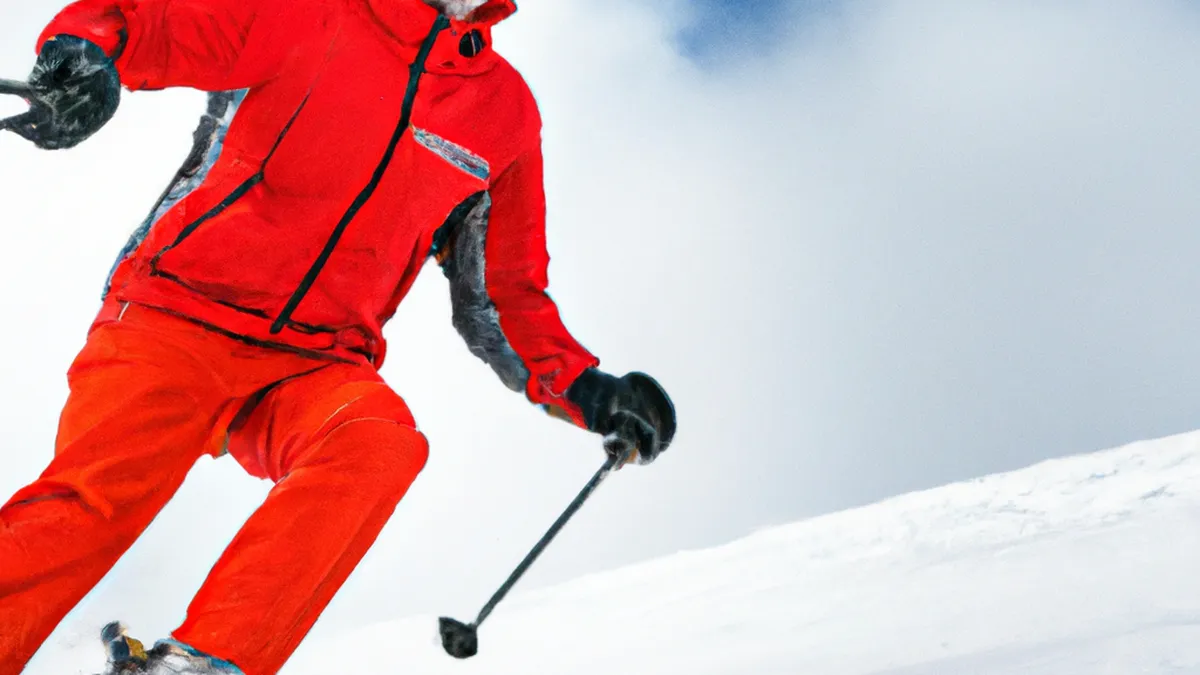
Total Body Strength for Skiers: 8 Best Moves
Ski-Specific Strength Training: Boost Your Performance on the SlopesSkiing requires strength, endurance, and agility. To enhance performance, follow a focused training regimen. Ski-specific strength training builds muscles for tackling challenging slopes. This blog explores tips, advice, and benefits of ski-specific strength training.
Why Ski-Specific Strength Matters
Skiing demands strong legs, a stable core, and endurance. Powerful muscles improve your maneuverability on the slopes. Ski-specific strength training targets essential muscle groups. This preparation enhances performance and reduces injury risks.
Key Muscle Groups for Skiing
Focus on strengthening these key muscle groups:1. **Quadriceps**: Maintain control during turns and stops.2. **Hamstrings**: Support knee stability and leg strength.3. **Glutes**: Enable explosive movements and balance.4. **Core Muscles**: Enhance balance, posture, and strength.
Effective Ski-Specific Exercises
As an Amazon Associate I earn from qualifying purchases.
Gear tip: consider ski goggles, ski helmet, and ski gloves to support this topic.
Incorporate these exercises into your training routine for significant improvements.
1. Squats
Squats build leg strength, targeting your quads, hamstrings, and glutes.**How to Perform:**- Stand shoulder-width apart.- Lower your body like sitting back into a chair.- Keep your chest up and knees aligned with toes.- Rise back to the starting position.Aim for three sets of 10-15 repetitions.
2. Lunges
Lunges improve balance and strengthen legs, mimicking skiing movements.**How to Perform:**- Stand upright and step forward with one leg.- Lower until both knees form 90-degree angles.- Push back to the starting position and switch legs.Complete three sets of 10-12 repetitions per leg.
3. Planks
Planks build essential core strength for balance.**How to Perform:**- Lie face down, lifting your body on forearms and toes.- Keep your body straight from head to heels.- Hold for 30 seconds to one minute.Aim for three sets.
4. Deadlifts
Deadlifts strengthen hamstrings, glutes, and lower back.**How to Perform:**- Stand hip-width apart, holding weights in front.- Hinge at your hips, lowering weights toward the ground.- Keep your back straight while returning to standing.Perform three sets of 8-10 repetitions.
Tips for a Successful Training Program
Maximize your ski-specific strength training with these tips:
1. Start Early
Begin training 6-8 weeks before ski season. This timeframe allows your body to adapt and build strength.
2. Incorporate Cardio
Add cardiovascular exercises for improved endurance. Running, cycling, or swimming enhances stamina on the slopes.
3. Focus on Flexibility
Include stretching and flexibility exercises. Stretching improves range of motion, which is vital for skiing.
4. Listen to Your Body
Monitor your body’s response to training. Rest when needed, and avoid pushing through pain. Recovery equals training importance.
Benefits of Ski-Specific Strength Training
Ski-specific strength training provides numerous benefits:1. **Improved Performance**: Stronger muscles enhance navigation of challenging terrain.2. **Reduced Injury Risk**: Strengthening key muscle groups protects against common skiing injuries.3. **Increased Endurance**: A balanced training program boosts stamina for longer days.4. **Better Balance and Coordination**: Training improves body awareness, enhancing skiing technique.
Conclusion
Ski-specific strength training is essential for improving slopes performance. Target key muscle groups, incorporate effective exercises, and follow helpful tips. Start early and listen to your body. With dedication and the right approach, conquer the mountains. Happy skiing!
Below are related products based on this post:
FAQ
Why is ski-specific strength training important?
Ski-specific strength training is crucial because skiing requires strong legs, a stable core, and endurance. By targeting essential muscle groups, this training enhances performance on the slopes and reduces the risk of injuries.
What are the key muscle groups to focus on for skiing?
The key muscle groups for skiing include the quadriceps, hamstrings, glutes, and core muscles. Strengthening these areas improves maneuverability, balance, and overall stability while skiing.
What are some effective exercises for ski-specific strength training?
Effective exercises include squats, lunges, planks, and deadlifts. These exercises target the muscles necessary for skiing and can significantly improve strength and endurance when performed consistently.














Post Comment