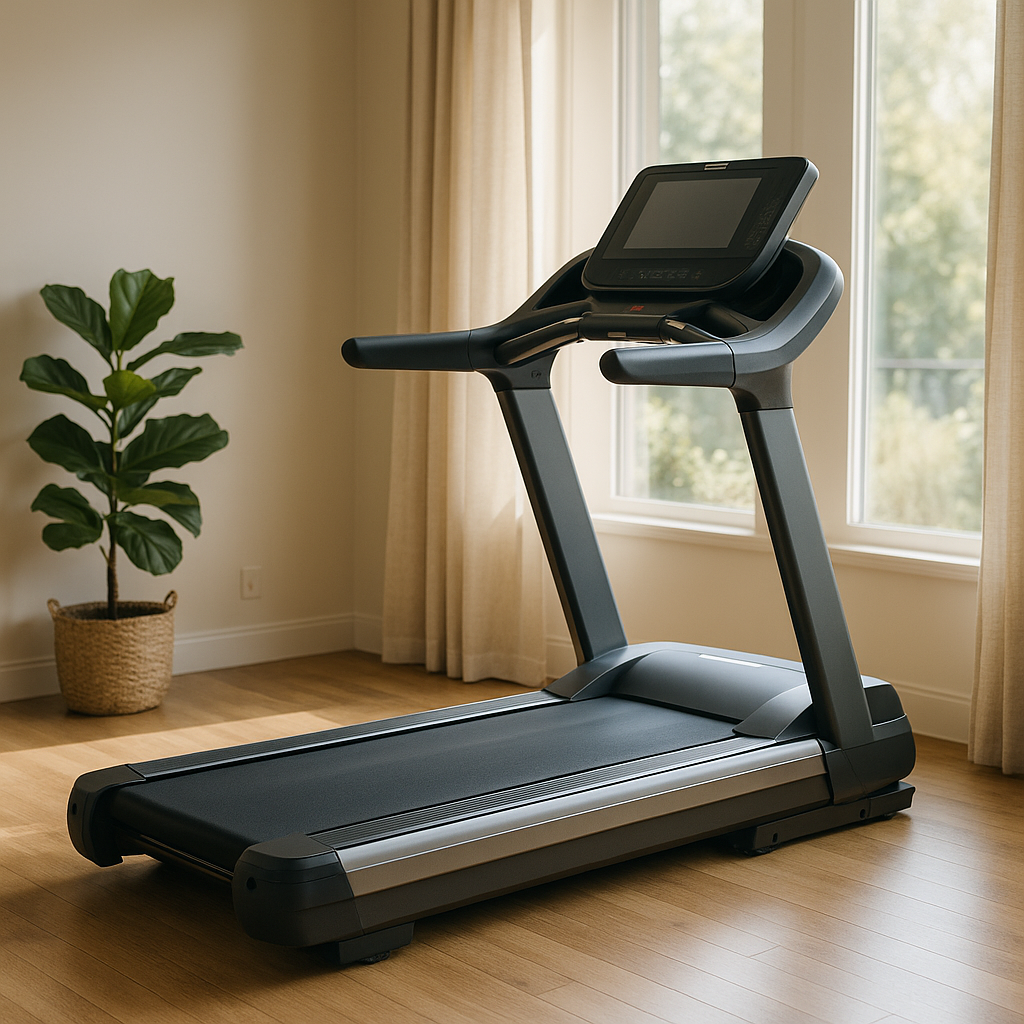
Top Treadmills for 2026: 8 Smart Picks for Every Runner and Walker
When winter pushes outdoor runs inside, the right treadmill can keep your training consistent, productive and even fun. Treadmills in 2026 are smarter and more varied than ever: big interactive screens and adaptive workouts, steep inclines for hill training, quieter motors for apartment living, and compact folding designs for small spaces. Below are eight standout machines to consider, plus clear buying and training guidance so you pick the right one for your needs.
Quick Summary
- Choose a treadmill that matches your goals: immersive classes, steady running, compact walking or heavy-duty workouts.
- Key specs to compare: motor power, belt size, incline range, deck cushioning, and console platform/subscription costs.
- Smart features like live classes, adaptive incline, and performance metrics make indoor training more effective—but check ongoing subscription fees.
- We list eight top options across categories and give practical steps, a buyer checklist, common mistakes and FAQs to simplify your decision.
How we picked these treadmills
Selections emphasize durability, user experience, training features, and overall value across price points. I prioritized machines with strong communities or coaching platforms, solid customer-service reputations, and features that matter most to runners and general fitness users such as stable motors, sufficient belt length, and meaningful incline range. Always confirm the latest specs and warranties with manufacturers before buying.
The 8 Best Treadmills of 2026 (by category)
1. Best for immersive, coached training: NordicTrack Commercial X32i
Why it stands out: Known for an expansive interactive display and deep integration with iFit classes, this machine is built to deliver guided workouts that automatically change incline and speed. If you want studio-style classes and scenic runs that keep you engaged, this is a top choice.
2. Best for community-driven classes: Peloton Tread
Why it stands out: Peloton remains a leader in live and on-demand coaching and community challenges. If motivation from live instructors and a large community is a priority, the Peloton ecosystem is hard to beat. Note: check current product notices and warranty details when purchasing.
3. Best for serious runners/daily training: Sole F85
Why it stands out: The Sole F85 is frequently recommended for its durable build, strong motor and user-focused warranty. It’s a solid choice if you need a dependable treadmill for frequent, high-mileage running.
4. Best value/folding option: Horizon Fitness T101
Why it stands out: For walkers and casual runners with limited space or a tight budget, the Horizon T101 offers a reliable, space-saving foldable design without unnecessary extras. Good entry-level option that covers basic training needs.
5. Best for incline/HIIT training: ProForm Pro 9000
Why it stands out: If steep inclines and aggressive interval sessions are central to your program, look for treadmills that support large incline ranges and responsive controls. The ProForm Pro 9000 pairs incline capability with app-driven workouts ideal for HIIT hill sessions.
6. Best compact/apt-friendly model: Echelon Stride or similar compact treadmills
Why it stands out: Compact models prioritize a smaller footprint and quieter motors for shared-living situations. They often offer enough speed for walking and light jogging while folding away for storage. Ideal if space or noise is a constraint.
7. Best commercial-grade home treadmill: Life Fitness (T Series)
Why it stands out: If you want a machine that approaches gym quality for long-term heavy use, look at established commercial brands. These machines are engineered for longevity and often include robust cushioning and service plans suitable for frequent runners.
8. Best walking/rehab treadmill: Low-speed, high-stability walkers
Why it stands out: For rehab, older adults, or those who primarily walk, stability, low minimum speed settings and easy step-on/off are essentials. Many manufacturers now offer low-speed models with handrails and wide decks that prioritize comfort and safety over top speed.
Practical steps before you buy
- Define your primary use: walking, intervals/HIIT, daily running, or social classes.
- Measure the space and ceiling height where it will live (check folded and unfolded dimensions).
- Compare belt length (longer for taller runners), motor horsepower, and warranty (motor and frame most important).
- Test a treadmill in person if possible—pay attention to cushioning, belt feel, and noise level.
- Factor in subscription costs for premium coaching apps and any delivery/assembly fees.
Buyer checklist (quick)
- Goal: __________________ (walking / running / classes / rehab)
- Available space: ______ x ______
- Minimum belt length for you: (recommend 55–60″ for casual running; 60″+ for taller/competitive runners)
- Motor: aim for 2.5 CHP or higher for regular running
- Incline range: _____ (useful for hill training)
- Console/platform: iFit / Peloton / Echelon / Native?
- Warranty: frame _____ motor _____ parts _____ labor _____
Training tips to get the most from a treadmill
- Use interval sessions to maintain intensity indoors—warm up thoroughly and follow structured intervals. For VO2 max-focused intervals, see practical protocols in guides like this one: Improve VO2 Max Guide.
- Try the Norwegian 4×4-style intervals for a potent aerobic stimulus—there’s a clear approach in this resource: Norwegian 4×4 — Boost VO2 Max.
- Simulate outdoor terrain by using incline variations and steady-state gradient runs to train muscular strength and descending control.
Maintenance & safety essentials
- Keep the deck clean and lubricated according to the manufacturer’s instructions.
- Check belt alignment regularly and tighten/adjust when needed.
- Use a dedicated circuit or check your home wiring for heavy-use machines.
- Install the treadmill on a mat to protect floors and reduce vibration.
Common Mistakes People Make
- Buying only on price without checking motor power or belt length—cheap treadmills can be unsuitable for regular running.
- Ignoring subscription costs for interactive platforms; initial low prices can lead to recurring monthly fees.
- Overlooking warranty fine print—some warranties exclude home use with heavy running loads.
- Selecting a treadmill that’s too big or too loud for the intended space (especially apartments).
- Neglecting regular maintenance—lack of lubrication and cleaning shortens a treadmill’s life.
Conclusion
Treadmills in 2026 make indoor training more effective and enjoyable than ever, whether you want guided classes, steep inclines for hill work, or a compact option for small spaces. Match your choice to how you train most often—daily mileage and intensity matter more than bells and whistles. Try models in person when possible, read up-to-date user reviews, and plan for ongoing costs like subscriptions and maintenance.
FAQ
- Q1: How do I choose between an interactive treadmill (Peloton/iFit) and a non-connected model?
- A1: Choose an interactive model if you value live classes, structure and motivation from instructors. If you prefer lower ongoing costs or simply want a durable running platform, a non-connected treadmill with a good motor and cushion may be better. Consider subscription fees and your likelihood of using guided content before committing.
- Q2: What belt length and motor size do I need as a runner?
- A2: For casual runners, a belt length around 55–60 inches can work; taller or faster runners should aim for 60 inches or more. Motor power of 2.5 continuous horsepower (CHP) or higher is a good baseline for regular running to ensure longevity and smooth performance.
- Q3: Are foldable treadmills less durable than non-folding ones?
- A3: Not necessarily. Many foldable designs are robust and convenient for home use, but heavy daily runners often prefer non-folding, commercial-style decks for maximum stability and durability. Check frame quality, warranty and user reviews to assess longevity.
- Q4: How noisy are modern treadmills—will they bother neighbors in an apartment?
- A4: Noise varies by model and motor type. Look for treadmills marketed as “quiet” or with low-vibration designs, use an anti-vibration mat, and test if possible. Walking and light jogging are usually fine; very heavy or sprint-style running is more likely to transmit noise and vibration.
- Q5: Can treadmill training replace outdoor running for race preparation?
- A5: Treadmill training can effectively maintain and build fitness, especially for VO2 max and interval work. However, outdoor factors like uneven terrain, wind, and race-specific conditions are unique. Incorporate outdoor runs when possible to adapt to race-day variables; use treadmill training strategically for intervals and consistent mileage.
Part of the Complete Strength Training Guide
Explore more: Endurance & Running Training Hub














Post Comment