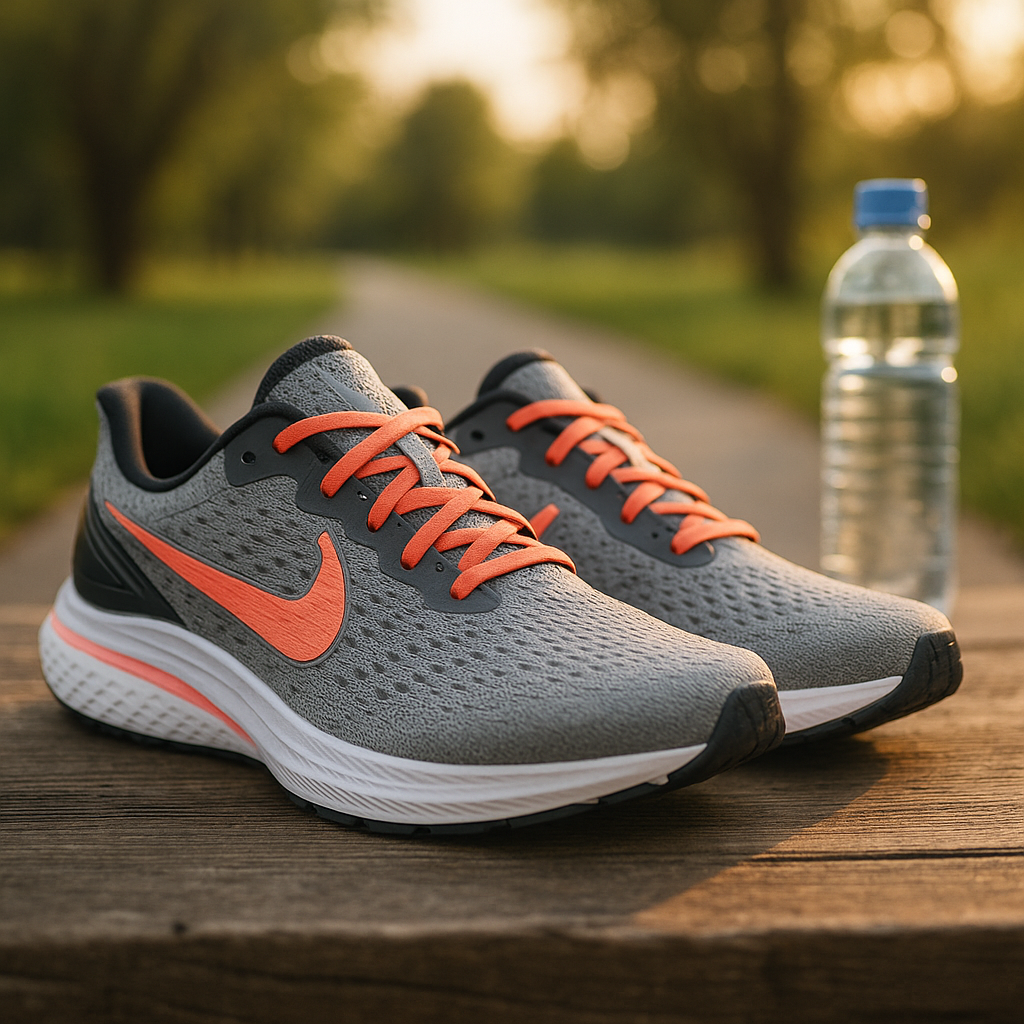
Top Running Shoe Sales of 2026: Editors’ Picks and How to Choose the Best Deal
Quick Summary
- Hoka, Nike, and Saucony are offering deep discounts on popular models this season—great time to upgrade.
- Match shoe features (cushion, drop, stability) to your running goals and gait, not just the price tag.
- Look for return policies, try-on options, and last-season models that retain performance at a lower cost.
Why these sales matter
Major brands like Hoka, Nike, and Saucony have put several of their best-selling running shoes on sale in 2026. These markdowns present a chance to buy high-performance models—daily trainers, cushioned long-run shoes, and lightweight racers—at a reduced price. Sales often include last season’s iterations and overstock from popular colorways, which can still offer the same engineered midsole, support, and durability you need.
Editors’ picks on sale now
Hoka: Cushioned daily trainers
Hoka’s models remain a favorite for runners seeking maximum cushioning with a responsive ride. On sale, look for the brand’s popular daily trainers and high-stack options that are ideal for long miles and recovery runs. Hoka shoes tend to emphasize a soft midsole, rocker geometry, and stable platform—suitable if you prefer plush comfort over a minimal feel.
Nike: Versatile everyday to performance
Nike’s range on discount can span from versatile daily trainers to foam-driven tempo and race shoes. Many Nike models balance cushioning and responsiveness—good for runners who alternate easy days with faster sessions. If improving speed or VO2 is a goal, pairing a discounted Nike trainer with focused workouts can be effective—see our guide on improving VO2 max for training context: Improve VO2 max guide.
Saucony: Lightweight and lively
Saucony frequently discounts shoes that deliver a snappy, lightweight feel—great for tempo runs and races. Saucony’s midsole foams and plate-engineered lines are often available at lower prices during sales, making them attractive for runners who want performance without the newer-model premiums.
How to decide which sale shoe is right for you
Finding a bargain is great, but the best deal is still the shoe that fits your foot and your training. Use the steps below to land the right pair.
Practical steps
- Identify your primary use: daily training, long runs, speedwork, or racing.
- Check your gait and support needs: neutral, stability, or motion control. If unsure, get a gait analysis at a specialty running store.
- Compare stack height and drop: higher stack = more cushioning; lower drop may suit a midfoot/forefoot striker.
- Weigh durability vs. weight: lightweight racers wear faster; trainers last longer for daily mileage.
- Confirm fit by trying shoes on in the afternoon (feet swell) and wearing your usual running socks.
- Review return policies for online sales—keep the receipt and original packaging in case you need a different size or model.
Checklist before you buy
- Purpose: Is this shoe for training, racing, or recovery?
- Size: Leave ~0.5–1 cm (about a thumb’s width) of room in front of the toes.
- Comfort: No pinching, heel slip under a 1–2 mm threshold.
- Terrain: Road, trail, or mixed—choose outsole and tread accordingly.
- Return policy: Free returns or a reasonable window to test-run the shoes.
- Discount: Compare across retailers to ensure the best sale price for your size and color.
Smart buying strategies during big sales
Beyond features and fit, use these strategies to maximize value:
- Consider last-season models—manufacturers often tweak small details between versions, but core performance may be nearly identical.
- Stack purchases: buy a slightly cushioned trainer alongside a lightweight shoe on sale to cover different sessions.
- Use loyalty programs and retailer coupons to stack savings when possible.
- If you’re training to break a plateau or race faster, pair your purchase with structured workouts—see tips on breaking plateaus: how to break a running plateau.
Common Mistakes to Avoid
- Buying solely on price: the cheapest pair can cost more later if it doesn’t fit and causes injuries or requires replacement.
- Ignoring return policies: a no-return sale item can leave you stuck with the wrong fit.
- Choosing by color or trend: aesthetics are secondary to fit and function.
- Assuming every discounted model is the best for your needs—different shoes suit different training roles.
- Not testing with the socks and orthotics you actually run in; fit can change with inserts.
Try-before-you-commit tips
If possible, test run shoes at a local store or choose retailers with generous return policies that allow short runs on pavement or treadmill. If you regularly use a treadmill, consider cross-referencing our treadmill buying guide to make sure your new shoes suit both road and machine work: Top treadmills for 2026.
Conclusion
Sales from Hoka, Nike, and Saucony in 2026 represent an excellent opportunity to upgrade your running shoe lineup. Focus on fit, intended use, and return options rather than just the discount. With careful selection, you can secure a durable trainer, a cushioned long-run shoe, or a lightweight racer that supports your goals and budget.
Practical steps and final checklist
Follow this quick process before completing a purchase:
- Decide the shoe’s primary role (training/racing/recovery).
- Measure your feet and try shoes with your running socks.
- Walk and, if allowed, jog in-store; if ordering online, choose sellers with flexible returns.
- Check durability reviews and expected mileage for the model.
- Buy if fit and function match your needs; otherwise, use return period to test alternatives.
FAQ
Q1: Are last-season models of running shoes worth buying?
A1: Yes. Last-season models are often substantially similar to the newest releases in fit and performance, and they can offer great value. Just confirm the features you need and try them on where possible.
Q2: How long should a running shoe last?
A2: Mileage varies by model, runner weight, and running surface, but most road running shoes last roughly 300–500 miles. Monitor midsole compression and outsole wear, and replace when cushioning and support noticeably decline.
Q3: Can I return running shoes after testing them on a run?
A3: Many retailers allow short test runs and accept returns if shoes are in resellable condition, but policies vary. Keep the box, tags, and receipt, and review the retailer’s return policy before purchase.
Q4: Should I buy racing shoes on sale for everyday training?
A4: Racing shoes are typically lighter and less durable than trainers. While they can be used for speed sessions, they’re usually not ideal for everyday mileage due to faster wear and reduced cushioning.
Q5: How do I match a sale shoe to my training goals?
A5: Define your goals—long-distance comfort, speedwork, or recovery. Then choose shoes that align: high-stack cushioning for long runs, responsive lightweight options for tempo/race days, and supportive trainers for high mileage. If in doubt, get a gait assessment at a specialty store or consult a running coach.
If you have a specific model or sale link in mind, share it and we can walk through whether it’s a smart buy for your running habits.
Part of the Complete Strength Training Guide
Explore more: Endurance & Running Training Hub














Post Comment