**”The Role of Stretching in Injury Prevention: How Targeted Flexibility Training Can Enhance Athletic Longevity”**
# The Role of Stretching in Injury Prevention: How Targeted Flexibility Training Can Enhance Athletic Longevity
In the world of athletics, injury prevention is paramount. While many athletes focus on strength and endurance training, the importance of flexibility cannot be overlooked. Stretching plays a crucial role in enhancing athletic performance and longevity by promoting flexibility, reducing muscle tension, and minimizing the risk of injuries. This blog post will explore how targeted flexibility training can be an integral part of an athlete’s routine, examining the benefits of stretching, offering nutrition tips, exercise advice, and highlighting overall health advantages.
## The Importance of Flexibility in Athletic Performance
### Understanding Flexibility
Flexibility refers to the range of motion available at a joint or group of joints. It is influenced by various factors, including muscle elasticity, joint structure, and overall body composition. For athletes, flexibility is essential, as it allows for better movement efficiency, enhances performance, and decreases the likelihood of injuries.
### Injury Prevention Through Stretching
Injuries often occur when muscles are tight or when joints cannot move through their full range of motion. Stretching helps improve flexibility, which can mitigate these risks. By incorporating a targeted stretching routine, athletes can increase blood flow to their muscles, preparing them for strenuous activities and reducing the likelihood of strains or sprains.
## Nutrition Tips for Supporting Flexibility
While flexibility training is vital, nutrition also plays a critical role in enhancing an athlete’s performance and recovery. Proper nutrition can support muscle recovery and promote flexibility.
### Hydration is Key
Staying well-hydrated is essential for maintaining muscle elasticity. Dehydration can lead to muscle cramps and stiffness, which can hinder flexibility. Athletes should aim to drink enough water before, during, and after workouts to keep their muscles functioning optimally.
### Focus on Nutrient-Dense Foods
Incorporating a variety of nutrient-dense foods into your diet can support muscle health. Foods rich in antioxidants, such as berries and leafy greens, can help reduce inflammation. Omega-3 fatty acids, found in fish and flaxseeds, can also aid in muscle recovery. Additionally, protein is crucial for muscle repair, so including lean meats, legumes, and dairy products can provide the necessary building blocks for muscle recovery.
## Exercise Advice for Effective Stretching
To maximize the benefits of stretching and flexibility training, athletes should follow specific guidelines and practices.
### Dynamic vs. Static Stretching
Understanding the difference between dynamic and static stretching is vital. Dynamic stretches, which involve moving parts of your body through a full range of motion, are best used as part of a warm-up routine. These stretches prepare your muscles for activity and help improve blood flow. Examples include leg swings, arm circles, and walking lunges.
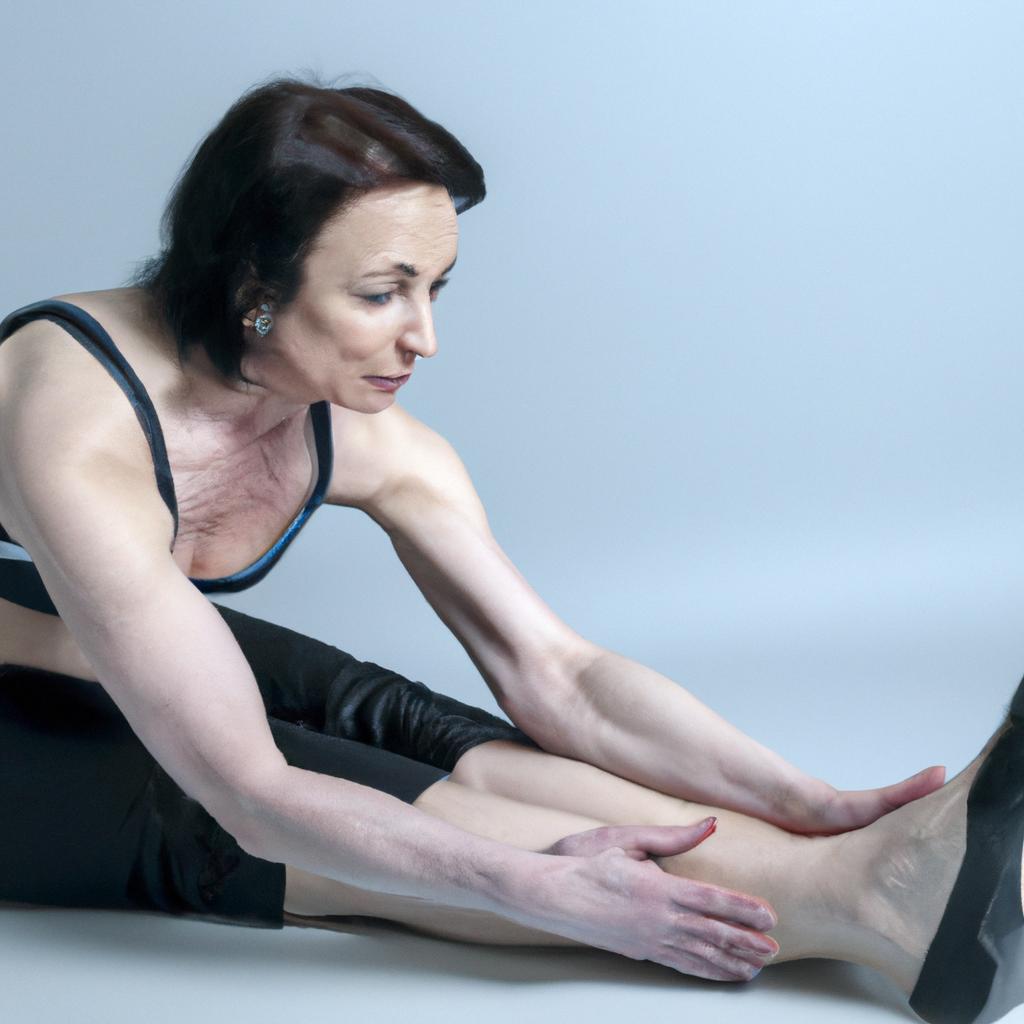
Static stretches, on the other hand, involve holding a position for a period (typically 15-60 seconds). These are more effective when performed after a workout, as they help lengthen muscles and promote relaxation. Key static stretches include hamstring stretches, calf stretches, and shoulder stretches.
### Consistency is Crucial
To reap the benefits of stretching, consistency is key. Athletes should aim to incorporate flexibility training into their routine at least three times a week. This commitment not only helps maintain flexibility but can also lead to significant improvements over time.
## Health Benefits of Stretching
In addition to injury prevention, stretching offers a myriad of health benefits that can enhance an athlete’s overall well-being.
### Improved Posture
Regular stretching can lead to improved posture by addressing muscle imbalances. Many athletes develop tightness in specific muscle groups, which can lead to poor posture. Incorporating stretches that target these areas can help realign the body and promote better posture.
### Enhanced Recovery
Stretching aids in muscle recovery by increasing blood circulation and reducing muscle soreness. By promoting better blood flow, stretching helps deliver essential nutrients to the muscles, expediting recovery and allowing athletes to train more effectively.
### Reduced Stress and Anxiety
Stretching can also have mental health benefits. Engaging in flexibility training can be a meditative practice that reduces stress and anxiety. The focus on breathing and mindful movement can enhance relaxation, contributing to a well-rounded athletic experience.
## Conclusion
Injury prevention is a critical aspect of athletic performance and longevity, and stretching plays a vital role in this process. By incorporating targeted flexibility training into their routines, athletes can enhance their performance, promote recovery, and reduce the risk of injuries. Additionally, supporting this practice with proper nutrition and maintaining consistency can further optimize the benefits of stretching. Ultimately, prioritizing flexibility training is not just about preventing injuries; it’s a pathway to a longer, healthier athletic career.














Post Comment