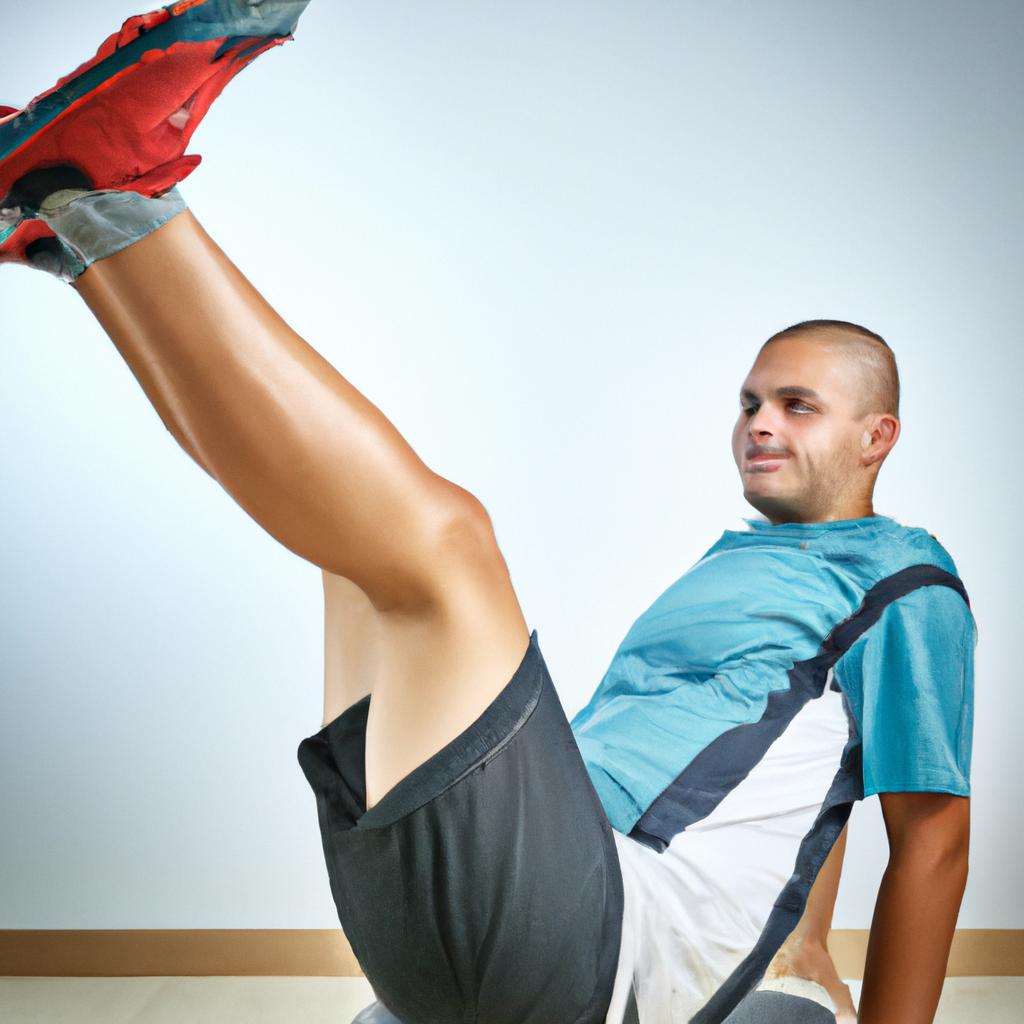
**”The Role of Postural Alignment in Enhancing Sports-Specific Skills: Techniques to Improve Movement Efficiency and Performance in Various Disciplines”**
The Role of Postural Alignment in Enhancing Sports-Specific Skills: Techniques to Improve Movement Efficiency and Performance in Various Disciplines
Postural alignment is often overlooked in the realm of sports training. However, it plays a critical role in enhancing performance across various disciplines. Proper alignment not only improves movement efficiency but also minimizes the risk of injury, allowing athletes to reach their peak potential. In this post, we will explore the significance of postural alignment, delve into techniques to improve it, and provide nutrition and exercise advice to further optimize athletic performance.
Understanding Postural Alignment
What is Postural Alignment?
Postural alignment refers to the positioning of the body in relation to its center of gravity. When an athlete’s body is properly aligned, it allows for optimal movement patterns, thereby enhancing skill execution. Conversely, poor posture can lead to muscle imbalances, decreased performance, and increased injury risk.
The Importance of Good Posture in Sports
In addition to improving performance, good posture contributes to overall health. Consequently, athletes with proper alignment are less likely to experience chronic pain or injuries. Moreover, good posture can enhance breathing efficiency, which is essential for endurance sports. Therefore, understanding postural alignment is crucial for athletes at all levels.
Techniques to Improve Postural Alignment
Core Strengthening Exercises
Strengthening the core is foundational to achieving better postural alignment. The core acts as a stabilizer for the entire body, helping to maintain proper alignment during movement. Exercises such as planks, bridges, and pelvic tilts can significantly enhance core strength.
Moreover, engaging in Pilates or yoga can also provide excellent core strengthening benefits while promoting flexibility. These practices emphasize body awareness and control, which are vital for maintaining proper posture. Consequently, athletes who incorporate these exercises into their routines often see improvements in performance.
Flexibility and Mobility Training
On the other hand, flexibility and mobility are equally important for postural alignment. Tight muscles can pull the body out of alignment, leading to inefficient movement patterns. Therefore, incorporating dynamic stretching and mobility drills can help maintain proper muscle length and joint function.
For example, athletes can benefit from foam rolling and static stretching after workouts to release tension in tight areas. In addition, dynamic warm-ups that focus on joint mobility can prepare the body for the demands of the sport. Consequently, athletes who prioritize flexibility and mobility often experience improved range of motion and performance.
Functional Movement Screening
Functional movement screening (FMS) is a valuable tool for assessing postural alignment and identifying imbalances. Through a series of tests, athletes can pinpoint areas of weakness or tightness that may hinder performance. Moreover, FMS provides a tailored approach to training, allowing athletes to focus on specific areas that require improvement.
Athletes can work with qualified trainers to develop individualized programs based on their FMS results. Consequently, this targeted approach not only enhances postural alignment but also improves overall athletic performance.
Nutrition Tips for Supporting Postural Alignment
Fueling Muscle Recovery
Nutrition plays a vital role in supporting postural alignment and overall athletic performance. Consuming a balanced diet rich in lean proteins, whole grains, fruits, and vegetables provides the necessary nutrients for muscle recovery. Therefore, athletes should prioritize post-workout meals that include protein and carbohydrates to replenish glycogen stores and promote muscle repair.
Hydration and Its Impact on Posture
In addition, staying hydrated is crucial for maintaining optimal muscle function and joint health. Dehydration can lead to muscle cramps and fatigue, which may negatively impact posture and performance. Consequently, athletes should aim to drink enough water throughout the day, particularly before, during, and after training sessions.
Anti-Inflammatory Foods
Moreover, incorporating anti-inflammatory foods into the diet can help reduce muscle soreness and improve recovery. Foods rich in omega-3 fatty acids, such as salmon, walnuts, and flaxseeds, can help combat inflammation. Consequently, a diet that emphasizes these foods can support better postural alignment and overall athletic performance.
Health Benefits of Improved Postural Alignment
Reduced Risk of Injury
One of the most significant benefits of improved postural alignment is the reduced risk of injury. By maintaining proper alignment, athletes can avoid excessive strain on muscles and joints. Consequently, this leads to a decrease in common sports-related injuries.
Enhanced Performance
Furthermore, improved postural alignment can lead to enhanced performance. Athletes who are well-aligned can execute movements more efficiently, resulting in better speed, agility, and endurance. Therefore, investing time in postural alignment techniques is essential for athletes looking to elevate their performance.
Greater Body Awareness
Lastly, focusing on postural alignment fosters greater body awareness. Athletes who are mindful of their posture can better understand how their body moves, enabling them to make quick adjustments during competition. Consequently, this heightened awareness can lead to improved decision-making and execution of skills.
Conclusion
In summary, the role of postural alignment in enhancing sports-specific skills cannot be overstated. By employing techniques such as core strengthening, flexibility training, and functional movement screening, athletes can significantly improve their movement efficiency and performance. Moreover, nutrition plays a vital role in supporting these efforts. Therefore, athletes should prioritize proper alignment not just for immediate gains but also for long-term health and performance enhancement. By investing in postural alignment, athletes can unlock their true potential and achieve their goals.
FAQ
What is the significance of postural alignment in sports performance?
Postural alignment is crucial in sports performance as it enhances movement efficiency and minimizes the risk of injury. Proper alignment allows athletes to execute skills more effectively, leading to improved speed, agility, and endurance. Additionally, athletes with good posture are less likely to experience chronic pain, contributing to overall health and longevity in their sport.
What techniques can athletes use to improve their postural alignment?
Athletes can improve their postural alignment through various techniques, including core strengthening exercises like planks and bridges, flexibility and mobility training through dynamic stretching and foam rolling, and functional movement screening (FMS) to identify imbalances. Incorporating practices such as Pilates and yoga can also enhance core strength and body awareness, further supporting proper alignment.
How does nutrition support postural alignment and athletic performance?
Nutrition plays a vital role in supporting postural alignment and athletic performance by providing the necessary nutrients for muscle recovery. A balanced diet rich in lean proteins, whole grains, fruits, and vegetables aids in replenishing glycogen stores and promoting muscle repair. Additionally, staying hydrated is essential for optimal muscle function, and incorporating anti-inflammatory foods can help reduce muscle soreness, thereby enhancing overall performance and alignment.













Post Comment