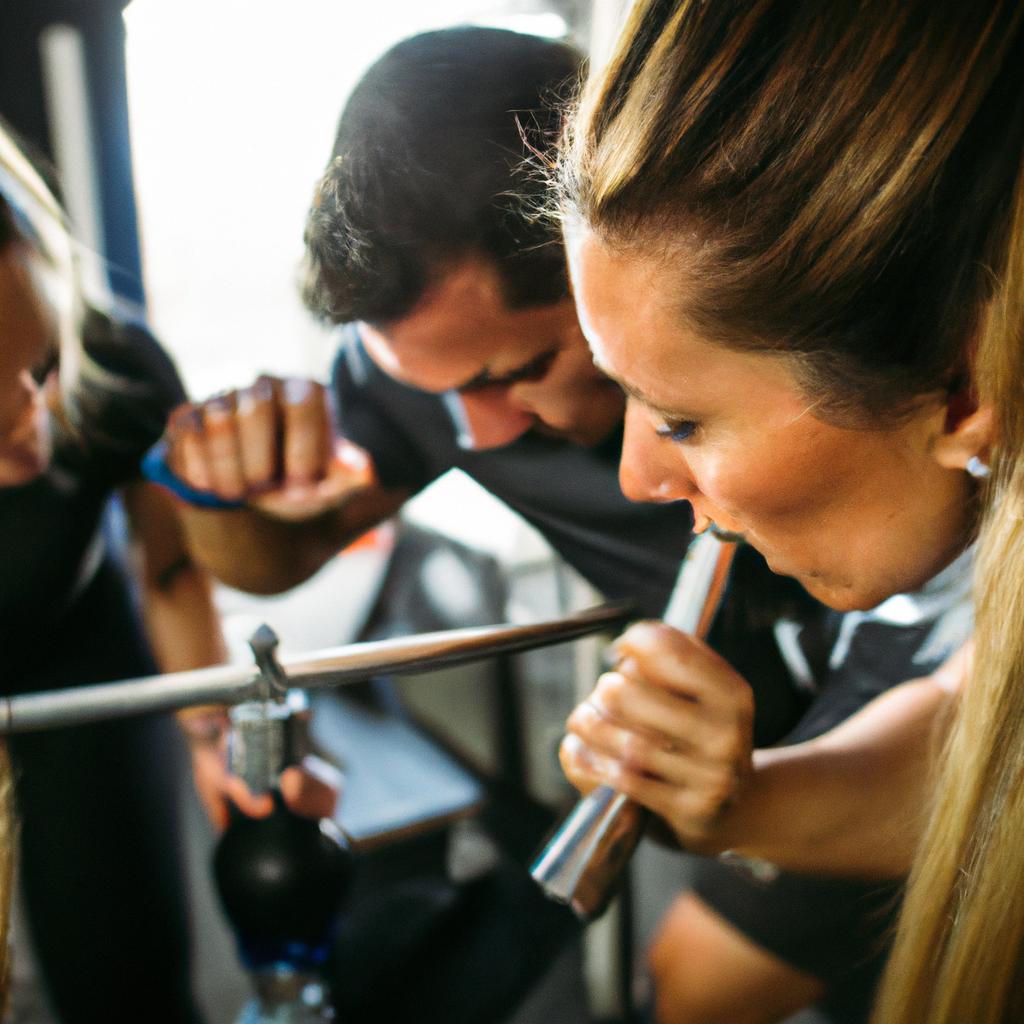
**”The Role of Breathing Techniques in Enhancing CrossFit Performance: How Proper Breath Control Can Improve Endurance and Strength”**
# The Role of Breathing Techniques in Enhancing CrossFit Performance: How Proper Breath Control Can Improve Endurance and Strength
CrossFit has revolutionized the fitness world, offering a diverse and intense workout regimen that combines elements of weightlifting, gymnastics, and high-intensity interval training (HIIT). While much focus is placed on strength training, nutrition, and proper technique, one crucial component is often overlooked: breathing. Proper breath control can significantly enhance CrossFit performance, improving both endurance and strength. This blog post explores the role of breathing techniques in CrossFit and provides actionable advice on how to harness the power of breath for better workouts.
## Understanding the Importance of Breath Control
### The Science Behind Breath Control
Breathing is the body’s primary means of oxygen intake, crucial for energy production and overall performance. During high-intensity workouts, your muscles require more oxygen to sustain their efforts. By mastering breath control, athletes can optimize oxygen delivery, improve endurance, and enhance recovery.
### The Connection Between Breath and Performance
Research has shown that effective breathing techniques can lead to improved performance metrics, including increased VO2 max (the maximum amount of oxygen your body can utilize during exercise) and reduced perceived exertion. This means that you can work harder and longer without feeling as fatigued.
## Breathing Techniques for CrossFit Athletes
### Diaphragmatic Breathing
Diaphragmatic breathing, or belly breathing, engages the diaphragm and allows for deeper, more efficient breaths. This technique can enhance lung capacity and oxygen exchange, which is especially beneficial during high-intensity workouts. To practice diaphragmatic breathing:
1. Lie on your back with your knees bent.
2. Place one hand on your chest and the other on your abdomen.
3. Inhale deeply through your nose, ensuring your abdomen rises while your chest remains relatively still.
4. Exhale slowly through your mouth, feeling your abdomen fall.
Repeat this for 5-10 minutes daily to build your breathing efficiency.
### The Box Breathing Technique
Box breathing, a technique used by athletes and military personnel, involves inhaling, holding, exhaling, and holding again for equal counts. This method helps with focus, reduces stress, and can improve performance under pressure. Try this:
1. Inhale through your nose for a count of four.
2. Hold your breath for a count of four.
3. Exhale through your mouth for a count of four.
4. Hold your breath again for a count of four.
Repeat this cycle for several minutes, particularly before a workout.
## Nutrition Tips to Support Your Breathing Techniques
### Stay Hydrated
Hydration is vital for optimal lung function. Dehydration can lead to decreased blood volume and impaired oxygen transport, which can negatively affect your workout performance. Aim to drink at least half your body weight in ounces of water daily, increasing this amount during intense training days.
### Incorporate Antioxidant-Rich Foods
Antioxidants help combat oxidative stress that can occur during intense exercise. Foods rich in antioxidants, such as berries, leafy greens, and nuts, support lung health and improve overall performance. Consider incorporating these into your post-workout meals and snacks.
### Maintain a Balanced Diet
A balanced diet that includes carbohydrates, proteins, and fats is crucial for fueling workouts and recovery. Carbohydrates provide quick energy for high-intensity workouts, while protein aids in muscle repair. Healthy fats support overall energy levels and hormone production. Strive for a diet rich in whole foods, including fruits, vegetables, lean proteins, and whole grains.
## Health Benefits of Proper Breathing Techniques
### Improved Endurance
By enhancing oxygen delivery and efficiency, proper breathing techniques can significantly improve your endurance. You’ll find that you can sustain high-intensity efforts for longer periods, allowing you to push through tough workouts.
### Reduced Stress and Anxiety
CrossFit can be intense both physically and mentally. Effective breathing techniques can help reduce stress and anxiety, allowing you to focus on your performance. This mental clarity can lead to better results and a more enjoyable workout experience.
### Enhanced Recovery
Breath control can also aid in recovery. Controlled breathing can help lower your heart rate post-workout, promote relaxation, and expedite the recovery process. Integrating breathing exercises into your cool-down routine can be particularly beneficial.
## Conclusion
Breathing techniques play a vital role in enhancing CrossFit performance. By mastering breath control, athletes can improve endurance, strength, and overall workout efficiency. Incorporating techniques such as diaphragmatic breathing and box breathing, alongside proper nutrition and hydration, can lead to substantial performance gains. Not only do these practices foster improved physical capabilities, but they also promote mental well-being, helping you to push through challenges both inside and outside the gym. So, as you lace up your shoes for your next WOD, remember: breathe deeply, breathe smart, and unleash your full potential.














Post Comment