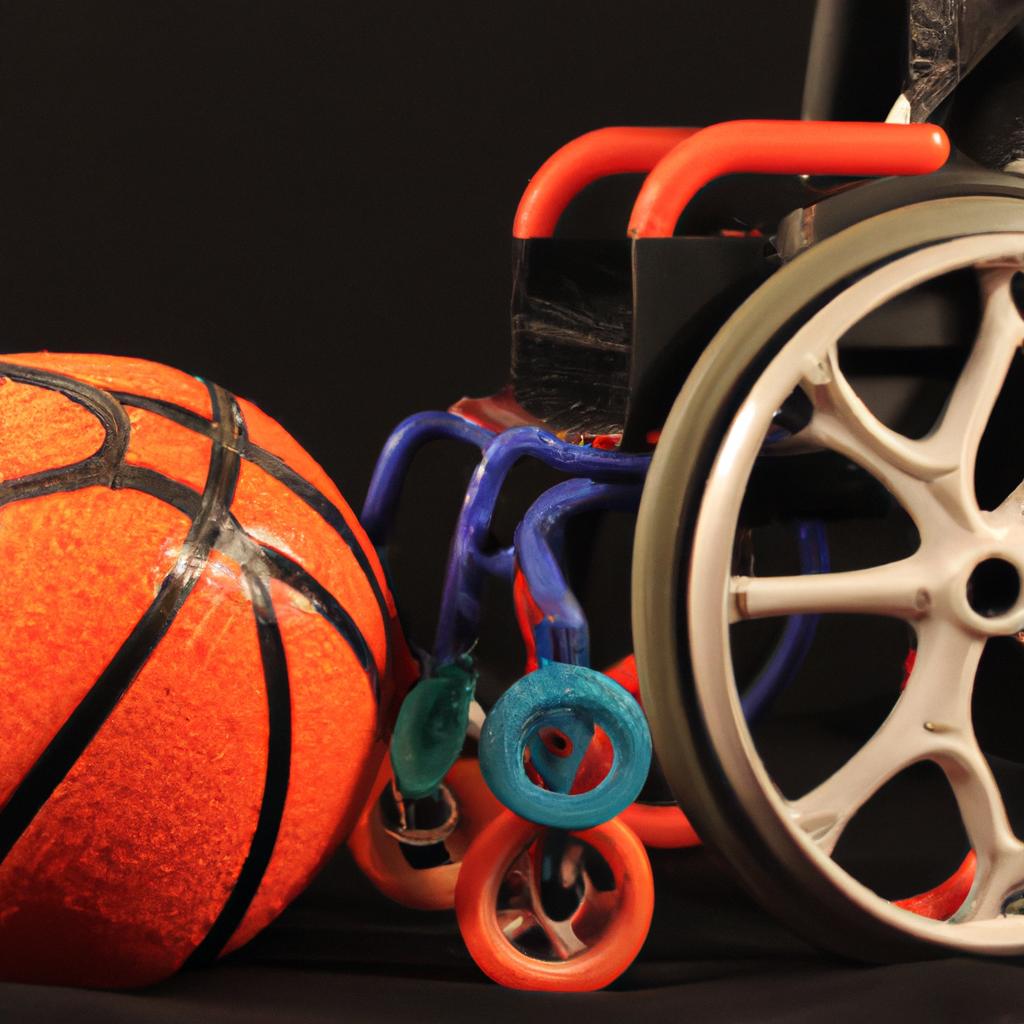
**”The Role of Adaptive Sports in Promoting Social Inclusion: Building Bonds and Breaking Barriers for Individuals with Disabilities”**
The Role of Adaptive Sports in Promoting Social Inclusion: Building Bonds and Breaking Barriers for Individuals with Disabilities
In recent years, adaptive sports have gained tremendous recognition as a vital avenue for promoting social inclusion among individuals with disabilities. These sports are specifically designed to accommodate the needs of athletes with various disabilities, allowing them to engage in physical activities alongside their peers. Furthermore, adaptive sports not only foster physical health but also serve as a powerful tool for building connections and breaking down societal barriers. This blog post explores the role of adaptive sports in promoting social inclusion, while also offering insights into nutrition tips, exercise advice, and the health benefits associated with these activities.
Understanding Adaptive Sports
What Are Adaptive Sports?
Adaptive sports encompass a wide range of activities, including wheelchair basketball, adaptive skiing, and seated volleyball, among others. These sports are modified to meet the needs of athletes with physical, visual, or intellectual disabilities. Moreover, adaptive sports encourage participation by providing specialized equipment, coaching, and support. As a result, they empower individuals with disabilities to engage in friendly competition, develop skills, and enjoy the camaraderie that comes with being part of a team.
The Importance of Inclusion
Moreover, the importance of inclusion in sports cannot be overstated. When individuals with disabilities participate in adaptive sports, they experience a sense of belonging and acceptance. This environment creates opportunities for athletes to meet new people, forge friendships, and develop social skills. Consequently, adaptive sports can help dismantle stereotypes, as they showcase the capabilities and talents of individuals with disabilities, thereby fostering a more inclusive society.
Building Bonds Through Teamwork
The Power of Connection
One of the most significant advantages of participating in adaptive sports is the opportunity to build bonds with others. Teamwork is an essential component of many adaptive sports, enabling athletes to collaborate, support one another, and share experiences. This collaboration often leads to lasting friendships that extend beyond the playing field. Furthermore, these connections can provide emotional support, enhance self-esteem, and reduce feelings of isolation, which are common among individuals with disabilities.
Diverse Communities
In addition to fostering friendships, adaptive sports create diverse communities. Athletes from different backgrounds come together to share their stories, challenges, and triumphs. This diversity enriches the experience of all participants, as they learn from one another and gain new perspectives. Consequently, adaptive sports not only promote social inclusion but also cultivate empathy and understanding among athletes, their families, and the broader community.
Breaking Barriers Through Awareness
Challenging Misconceptions
Adaptive sports play a crucial role in challenging misconceptions about individuals with disabilities. By showcasing the athleticism and determination of adaptive athletes, these sports help to break down societal barriers and foster greater awareness. On the other hand, when spectators witness the skill and dedication of adaptive athletes, they often reevaluate their preconceived notions about disability. Therefore, adaptive sports serve as a platform for advocacy, helping to create a more inclusive and accepting society.
Encouraging Participation
Furthermore, adaptive sports encourage broader participation in physical activities among individuals with disabilities. As awareness grows, more opportunities for engagement arise, including community programs, organized leagues, and recreational events. These initiatives not only promote physical fitness but also emphasize the importance of social inclusion. Consequently, increased participation can lead to improved mental well-being, as athletes experience the joy of movement and connection.
Nutrition and Exercise: Enhancing Performance and Well-Being
Nutrition Tips for Adaptive Athletes
To maximize the benefits of participating in adaptive sports, proper nutrition is essential. Adaptive athletes should focus on a balanced diet that includes a variety of fruits, vegetables, whole grains, lean proteins, and healthy fats. Moreover, staying hydrated is crucial, especially during physical activity. Here are a few nutrition tips:
1. **Prioritize Whole Foods**: Incorporate whole, nutrient-dense foods to fuel your body for optimal performance.
2. **Listen to Your Body**: Pay attention to hunger cues and adjust your diet based on your energy needs.
3. **Plan Meals**: Prepare meals in advance to ensure you have healthy options readily available, especially on busy days.
Exercise Advice for Adaptive Athletes
In addition to nutrition, incorporating regular exercise is vital for adaptive athletes. Here are some exercise tips to enhance performance:
1. **Focus on Strength Training**: Building strength can improve performance in many adaptive sports. Incorporate resistance training exercises tailored to your abilities.
2. **Incorporate Flexibility Exercises**: Stretching and flexibility exercises can enhance range of motion and reduce the risk of injury.
3. **Find Enjoyable Activities**: Engage in physical activities that you enjoy, whether it’s swimming, cycling, or participating in group classes. Enjoyment is key to maintaining motivation.
Health Benefits of Adaptive Sports
Participating in adaptive sports yields a multitude of health benefits. Not only do these activities improve physical fitness, but they also positively impact mental health. Regular involvement in adaptive sports can lead to:
– **Improved Cardiovascular Health**: Engaging in physical activity strengthens the heart and lungs.
– **Enhanced Mental Well-Being**: Exercise releases endorphins, which can improve mood and reduce symptoms of anxiety and depression.
– **Increased Confidence**: Mastering new skills and achieving personal goals can boost self-esteem and confidence.
Conclusion
In conclusion, adaptive sports play a vital role in promoting social inclusion for individuals with disabilities. By building bonds through teamwork, breaking barriers through awareness, and enhancing overall well-being through nutrition and exercise, adaptive sports create a supportive and inclusive environment. Therefore, it is essential to continue advocating for adaptive sports programs and initiatives, ensuring that everyone, regardless of ability, has the opportunity to participate, connect, and thrive. Through these efforts, we can cultivate a more inclusive society that celebrates the talents and contributions of all individuals.
FAQ
What are adaptive sports and how do they promote inclusion?
Adaptive sports are modified activities designed to accommodate individuals with various disabilities, allowing them to participate alongside their peers. These sports, such as wheelchair basketball and adaptive skiing, provide specialized equipment and support, fostering an environment of belonging and acceptance. By encouraging participation, adaptive sports help athletes build connections, develop social skills, and dismantle stereotypes, ultimately promoting a more inclusive society.
How do adaptive sports help in building friendships and community?
Participating in adaptive sports creates opportunities for individuals to collaborate, support one another, and share experiences, leading to lasting friendships that extend beyond the playing field. These activities bring together athletes from diverse backgrounds, enriching the experience and cultivating empathy and understanding. As athletes bond through teamwork, they also create a sense of community that can provide emotional support and reduce feelings of isolation.
What health benefits are associated with participating in adaptive sports?
Engaging in adaptive sports offers numerous health benefits, including improved cardiovascular health, enhanced mental well-being, and increased confidence. Regular physical activity strengthens the heart and lungs, while the release of endorphins during exercise can boost mood and alleviate symptoms of anxiety and depression. Additionally, achieving personal goals and mastering new skills through adaptive sports can significantly enhance self-esteem and overall quality of life.














Post Comment