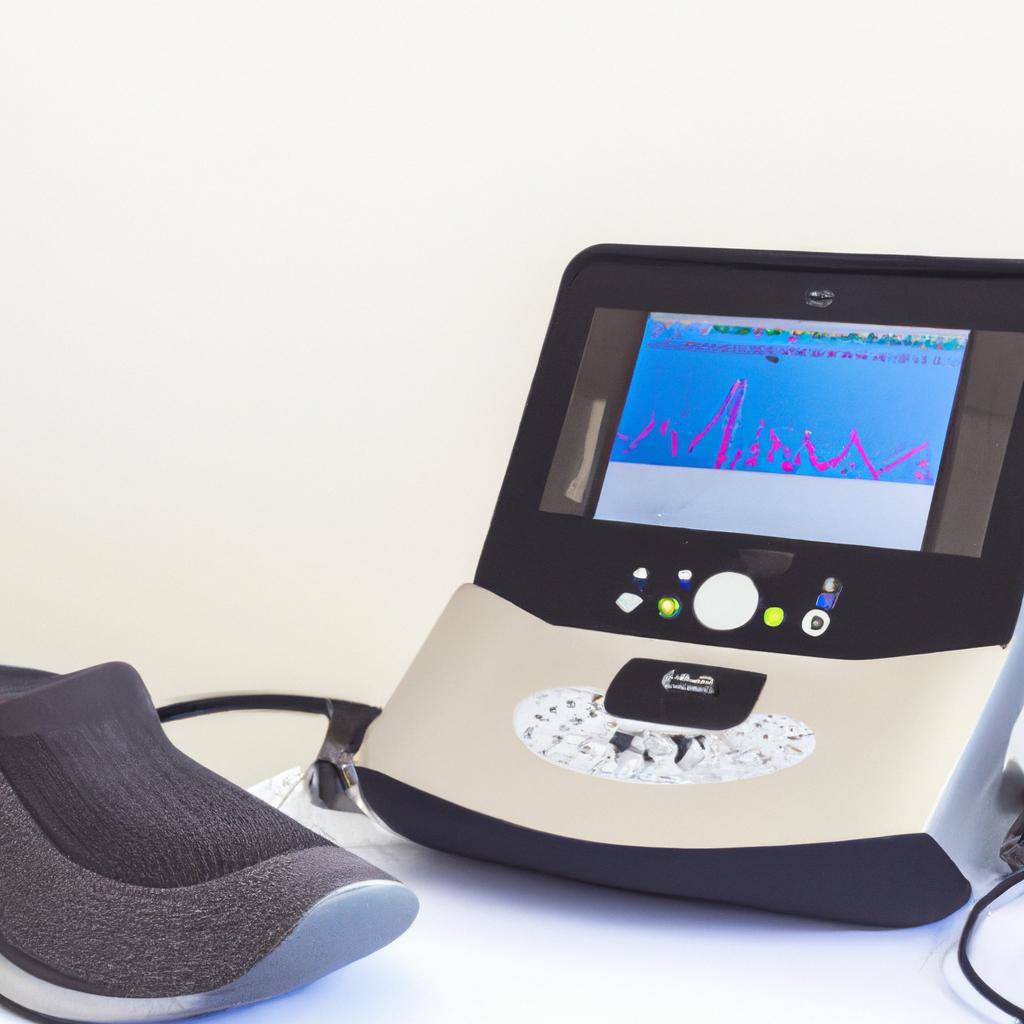
**”The Future of Sports Technology: How Biometric Data Is Shaping Personalized Training Regimens for Elite Athletes”**
The Future of Sports Technology: How Biometric Data Is Shaping Personalized Training Regimens for Elite Athletes
The world of sports is undergoing a significant transformation, driven by advancements in technology and data analytics. One of the most exciting developments is the integration of biometric data into training regimens for elite athletes. As sports technology continues to evolve, it is becoming increasingly clear that personalized training based on individual physiological metrics can enhance performance, minimize injuries, and optimize recovery. In this blog post, we will delve into how biometric data is shaping the future of sports training, exploring its benefits and implications for athletes and coaches alike.
Understanding Biometric Data
What Is Biometric Data?
Biometric data refers to unique physical characteristics that can be measured and analyzed, such as heart rate, body temperature, blood oxygen levels, and even muscle activity. Furthermore, advancements in wearable technology have made it possible to collect this data in real-time. For instance, athletes can now wear fitness trackers or smart clothing that monitor their vital signs during training, providing invaluable insights into their performance.
The Role of Data Analytics
Moreover, the collection of biometric data is just the beginning. The real magic happens when this data is analyzed using sophisticated algorithms and machine learning techniques. By leveraging data analytics, coaches and sports scientists can identify patterns and correlations that inform personalized training regimens. Consequently, this enables athletes to train smarter, not harder, as they focus on areas that need improvement.
Personalized Training Regimens
Tailored Approaches to Training
One of the most significant advantages of using biometric data is the ability to create tailored training programs. Traditionally, athletes often followed generic training plans that may not have suited their specific needs. However, with biometric data, coaches can design regimens that consider an athlete’s unique physiological responses. For example, if an athlete’s heart rate spikes excessively during certain drills, the coach can modify the intensity or duration to prevent overtraining.
Recovery and Injury Prevention
In addition to optimizing training, biometric data plays a crucial role in recovery and injury prevention. Athletes can monitor their fatigue levels, muscle soreness, and even stress indicators to determine when they need rest or adjustments in their training. Moreover, wearable devices can track movement patterns, helping to identify potential injury risks. Consequently, this proactive approach enables athletes to take preventive measures, thereby prolonging their careers and enhancing their overall performance.
Nutrition Tips for Optimal Performance
Fueling the Body with the Right Nutrients
To complement personalized training regimens, nutrition plays a vital role in an athlete’s performance. As biometric data reveals an athlete’s energy expenditure and recovery needs, nutritionists can craft tailored meal plans that align with these insights. Therefore, it is essential to focus on a balanced diet rich in carbohydrates, proteins, and healthy fats to support energy levels and muscle repair.
Hydration and Electrolyte Balance
Moreover, hydration is critical for optimal performance. Athletes can use biometric data to monitor their hydration levels and adjust fluid intake accordingly. For instance, if an athlete’s sweat rate is high, increasing electrolyte-rich drinks can help maintain balance. This not only enhances endurance but also prevents dehydration-related injuries.
Health Benefits of Biometric Tracking
Enhanced Performance Monitoring
The integration of biometric data into training regimens offers numerous health benefits beyond performance enhancement. For instance, by consistently tracking vital signs, athletes can gain insights into their overall health and well-being. This continuous monitoring allows for early detection of potential health issues, enabling timely intervention.
Improved Mental Health
Furthermore, the mental aspect of sports cannot be overlooked. Athletes often face immense pressure, which can lead to stress and anxiety. By using biometric data to track stress levels and sleep quality, athletes can implement strategies to improve their mental resilience. Techniques such as mindfulness, meditation, and adequate rest can be encouraged based on insights derived from biometric data. Therefore, athletes not only become better competitors but also more balanced individuals.
Conclusion
The future of sports technology is undoubtedly exciting, with biometric data paving the way for a new era of personalized training regimens. As athletes and coaches embrace this innovative approach, they can unlock their full potential while minimizing the risk of injuries and enhancing overall well-being. The combination of data analytics, tailored training, and nutrition not only elevates performance but also fosters a healthier lifestyle for elite athletes.
As we look ahead, it is clear that the integration of biometric data in sports training will continue to evolve, offering even more sophisticated insights and tools for athletes. Therefore, staying informed about these advancements is essential for any athlete or coach aspiring to reach the pinnacle of their performance. Embracing this technology today will undoubtedly shape the champions of tomorrow.
FAQ
What is biometric data and how is it used in sports training?
Biometric data refers to unique physical characteristics that can be measured and analyzed, such as heart rate, body temperature, and blood oxygen levels. In sports training, this data is collected in real-time using wearable technology, allowing coaches and athletes to gain insights into performance. By analyzing this data, personalized training regimens can be developed that cater to an athlete’s specific physiological responses, helping to enhance performance and prevent injuries.
How does biometric data contribute to recovery and injury prevention?
Biometric data plays a crucial role in recovery and injury prevention by allowing athletes to monitor key indicators such as fatigue levels, muscle soreness, and stress. By tracking these metrics, athletes can determine when they need rest or adjustments to their training. Additionally, wearable devices can assess movement patterns to identify potential injury risks, enabling proactive measures that prolong athletic careers and enhance overall performance.
What role does nutrition play in conjunction with biometric data?
Nutrition is vital for optimizing athletic performance and complements personalized training regimens informed by biometric data. By understanding an athlete’s energy expenditure and recovery needs through biometric insights, nutritionists can create tailored meal plans. This ensures that athletes maintain a balanced diet rich in carbohydrates, proteins, and healthy fats, while also monitoring hydration levels to prevent dehydration, thereby supporting endurance and overall














Post Comment