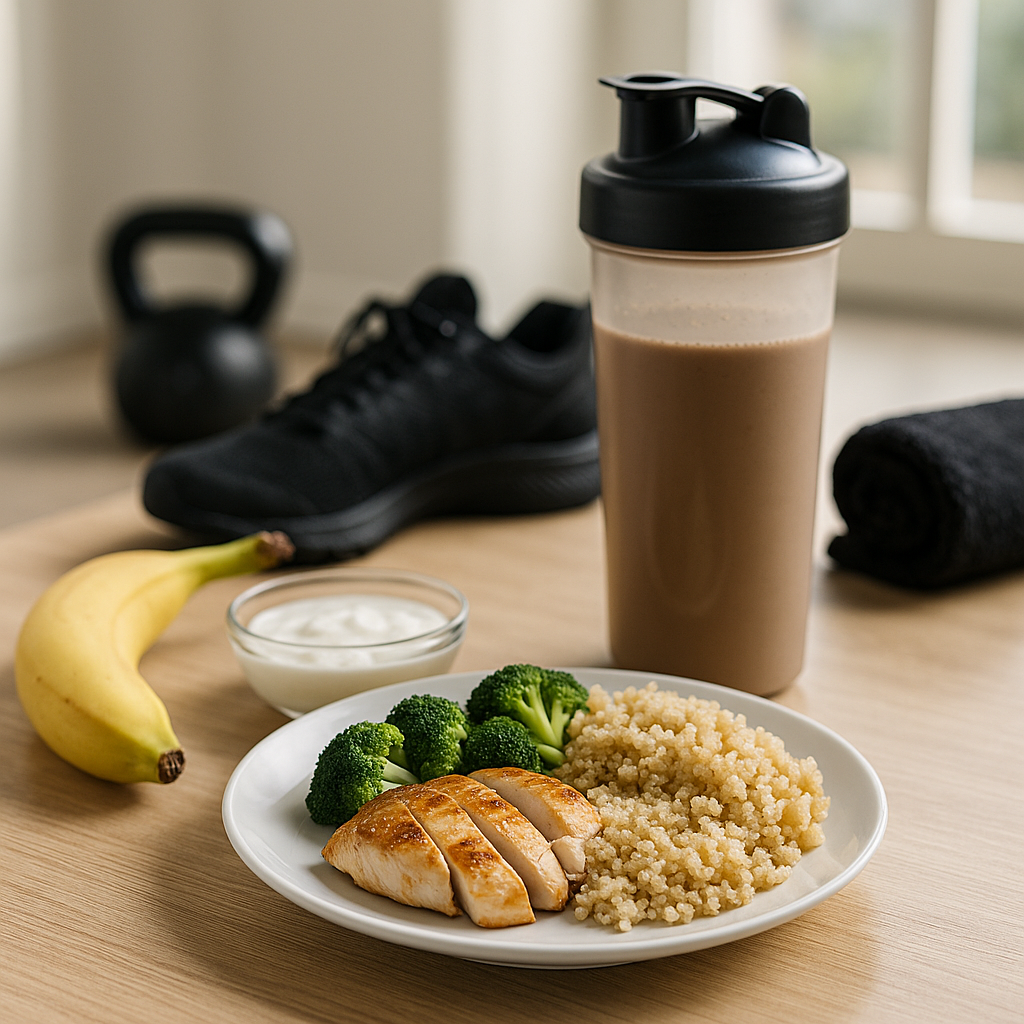
How to Tailor Your Post-Workout Meal to Different Training Sessions
Quick Summary
- Recovery meals should reflect the workout’s duration, intensity, and your goals (muscle gain, endurance, weight management).
- Strength and power sessions need more protein and some carbs; long endurance sessions need more carbs to restore glycogen.
- Timing matters but is flexible—aim to eat a balanced recovery meal within 1–3 hours, sooner if sessions were long or fasted.
- Hydration and electrolytes are often overlooked but crucial, especially after long or sweat-heavy workouts.
Introduction
There’s no single “best” recovery meal that fits every workout. The ideal post-workout nutrition plan depends on what you did, how long and intensely you did it, and what you want to achieve. This article breaks down how recovery needs change by workout type and gives practical steps, a handy checklist, common mistakes to avoid, and a short FAQ to help you build better habits.
Why your recovery meal matters
Post-workout nutrition supports three core processes: refilling muscle glycogen (carbohydrate stores), repairing and building muscle (protein synthesis), and replacing fluids and electrolytes lost in sweat. The relative importance of each depends on the exercise stress placed on your body. For example, a 90‑minute long run depletes glycogen more than a 30‑minute strength session, which causes more muscle microtrauma.
How recovery needs vary by workout type
Resistance training (strength, hypertrophy)
Primary goal: muscle repair and growth.
- Macronutrient focus: Moderate to high protein (20–40 g), moderate carbs (20–60 g), some healthy fats.
- Why: Protein provides amino acids to stimulate muscle protein synthesis; carbs refill some glycogen and blunt cortisol if the session was intense.
- Practical example: Grilled chicken or tofu, rice or sweet potato, mixed veggies, and a small olive oil dressing.
Endurance sessions (long runs, long bike rides)
Primary goal: glycogen restoration and fluid replacement.
- Macronutrient focus: Higher carbs (0.6–1.2 g per kg body weight in the first 1–4 hours for long sessions), moderate protein (10–20 g), low–moderate fats.
- Why: Long or glycogen-depleting workouts require carbohydrate to refill stores for recovery and next training sessions.
- Practical example: Pasta with lean protein, fruit, and a sports drink or electrolyte water after particularly long or hot sessions.
- Related reading: pacing and effort during long runs affect fuel needs—see tips on smarter long-run pacing and how thresholds shape intensity at LT1/LT2 zones.
High-intensity interval training (HIIT) and intervals
Primary goal: restore some glycogen, support muscle repair.
- Macronutrient focus: Moderate carbs (20–50 g) and protein (15–25 g).
- Why: HIIT uses both anaerobic and aerobic energy systems; quick carbs help replenish while protein supports muscle maintenance.
- Practical example: Greek yogurt with honey and banana, or a turkey sandwich on whole-grain bread.
Power, plyometrics, and sprint work
Primary goal: neuromuscular recovery and muscle repair.
- Macronutrient focus: Prioritize protein (20–40 g) and include some carbs to support fast-twitch fiber recovery.
- Why: These sessions strain muscle fibers and the nervous system; recovery meals should emphasize amino acids and moderate carbs.
- Practical example: Smoothie with whey (or plant) protein, oats, and berries. For more on power-focused training, see plyometrics and running power.
Light activity, mobility, or technical sessions
Primary goal: support daily energy and adaptation—lower recovery demands.
- Macronutrient focus: Balanced meal aligned with daily calorie needs; no urgent need for a targeted “recovery” meal unless you’re fasted or training again soon.
- Practical example: Salad with beans, quinoa, and veggies or a balanced breakfast of eggs and whole-grain toast.
Timing: How soon should you eat?
A common guideline is to aim for a balanced meal within 1–3 hours post-exercise. If you trained fasted or did a long/very intense session, try eating within 30–60 minutes to kick-start glycogen and protein synthesis. If your last meal was 1–2 hours before training and it was a moderate session, you have more flexibility.
Macronutrient targets—quick reference
- Protein: 0.25–0.40 g/kg body weight (~15–40 g) in the immediate post-workout period to stimulate muscle protein synthesis.
- Carbs for glycogen: 0.6–1.2 g/kg for long endurance sessions in the first 1–4 hours; lower amounts (20–50 g) for short/strength workouts as needed.
- Fats: Not critical immediately post-workout—small amounts won’t blunt recovery, but prioritize carbs/protein first.
Hydration and electrolytes
Replace fluid losses with water and consider electrolytes (sodium, potassium) after heavy sweating or long workouts. A simple approach: weigh yourself before and after a long or hot workout—each 0.5 kg lost roughly equals 500 ml of fluid that should be replaced, with added sodium if sweating was heavy.
Individual factors and goals
Adjust recovery based on:
- Goal: Muscle gain requires a calorie and protein surplus; fat loss may use smaller post-workout portions while still meeting protein targets.
- Training frequency: Multiple sessions in one day demand quicker and higher-carb recovery.
- Personal tolerance: Digestive comfort, food preferences, and time constraints matter—liquid options can help when appetite is low.
- Macronutrient planning: For help planning macros in line with goals, see how to plan your macros.
Practical steps to build a recovery meal
- Identify the workout type and your goal (e.g., build strength, finish long run, maintain weight).
- Choose protein first: aim for 20–40 g high-quality protein (meat, dairy, legumes, or protein powders).
- Add carbs according to depletion: more for long endurance, moderate for HIIT, moderate–low for pure strength.
- Include vegetables and a small fat source for micronutrients and satiety.
- Rehydrate with water and add electrolytes if you sweated heavily or were out in heat for long periods.
Recovery checklist (use after a session)
- Did I eat a protein source (20–40 g)?
- Did I include enough carbs for the session’s intensity/duration?
- Am I rehydrating and replacing electrolytes if needed?
- Does this meal fit my daily calorie and macro goals?
- Do I feel comfortable eating this soon after training, or do I need a liquid alternative?
Common Mistakes
- Overgeneralizing: Eating the same recovery meal after every session regardless of differences in duration and intensity.
- Ignoring protein: Skipping adequate protein slows muscle repair and adaptation.
- Neglecting carbs after long endurance efforts: This delays glycogen restoration and recovery between sessions.
- Waiting too long when you trained fasted or did a long session—delaying refueling can prolong soreness and fatigue.
- Ignoring hydration and electrolytes, especially in hot conditions or long workouts.
Conclusion
Your recovery meal should be adapted to what you did and what you want. Focus on protein for strength and power work, prioritize carbs after long endurance sessions, and always restore fluids. Timing is flexible for most people—aim within 1–3 hours—though earlier refueling helps after long or fasted workouts. Use the practical steps and checklist above to make consistent, goal-aligned choices, and consult a registered dietitian or sports nutritionist for personalized plans.
FAQ
Q1: Do I always need to eat immediately after a workout?
No. If you had a substantial pre-workout meal within a few hours, you can wait 1–3 hours. Eat sooner (30–60 minutes) after long, fasted, or very intense sessions to speed glycogen replenishment and muscle repair.
Q2: How much protein should a woman or man eat after lifting?
A useful target is 0.25–0.40 g/kg body weight (about 15–40 g), depending on body size and training intensity. Higher amounts better support larger athletes and heavier training loads.
Q3: Are recovery drinks better than whole foods?
Both can work. Drinks are convenient when appetite is low or you need fast absorption (between close sessions). Whole foods provide additional micronutrients and satiety—choose what fits your needs and preferences.
Q4: Should I skip carbs after strength training if I’m trying to lose weight?
No need to skip carbs entirely—moderate carbs support recovery and performance. You can reduce portion size to maintain a calorie deficit while ensuring sufficient protein for muscle maintenance.
Q5: How do I handle recovery on days with multiple workouts?
Prioritize quick, balanced refueling between sessions: 20–40 g protein and 30–100 g carbs depending on the next session’s demands. Hydrate and include some electrolytes if sweating heavily. Plan meals around training times to ensure effective recovery.
For sport-specific guidance, pacing and energy system considerations can shape fueling strategies—see resources on run-walk strategies and threshold training at LT1/LT2.
Note: This article provides general information and does not replace personalized medical or nutritional advice. Consult a registered dietitian or healthcare provider for tailored plans.














1 comment