Switch to Unprocessed Foods: How Eating More by Weight Can Trim About 330 Calories a Day
Quick Summary
- Research from the University of Bristol found that switching from ultra-processed to unprocessed foods led people to eat more food by weight but roughly 330 fewer calories per day.
- Whole foods are lower in energy density and higher in fiber and water, which promotes satiety and better nutrient intake without extra calories.
- Small, practical swaps—focusing on whole grains, fruits, vegetables, lean proteins, and single-ingredient snacks—make the shift manageable and sustainable.
Introduction
Most diets ask you to eat less. The surprising thing about a switch to fully unprocessed foods is that you often end up eating more—by weight—while consuming substantially fewer calories. Research from the University of Bristol observed this effect: when people avoided ultra-processed foods, they naturally filled plates with fruits and vegetables and reduced daily calorie intake by about 330 calories without deliberate restriction. That’s not magic; it’s the result of how whole foods interact with appetite, nutrient sensing, and eating behavior.
Why whole foods let you eat more but take in fewer calories
Lower energy density
Energy density is calories per gram. Whole fruits, vegetables, soups, stews and salads have lots of water and fiber, so a large portion can contain relatively few calories. That means you can feel satisfied by volume without the calorie load of ultra-processed snacks or ready meals.
Fiber and structure slow eating
Fiber increases chewing and slows gastric emptying. Eating slower and chewing more gives your body time to register fullness, so you’re less likely to overconsume before satiety signals kick in.
Nutrient signals and taste complexity
Whole foods provide a variety of micronutrients and complex flavors that satisfy different taste receptors. Highly engineered ultra-processed foods are designed to bypass these cues and trigger overconsumption (think intense sweetness, fat-salt combos, and ultra-creamy textures).
Less calorie-dense snacking
Replacing chips, cookies and sugary drinks with whole-food snacks—fruit, plain yogurt, raw nuts in controlled portions—reduces “hidden” calories that add up through the day.
Practical steps to switch to an unprocessed diet
Move gradually. A sudden overhaul is hard to sustain. Use these practical steps to make the shift realistic and enjoyable.
1. Start with one meal
Pick breakfast or dinner and aim to make it fully unprocessed three times a week. Example: oatmeal with berries and a handful of nuts instead of a sugar-laden cereal bar.
2. Prioritize plate balance
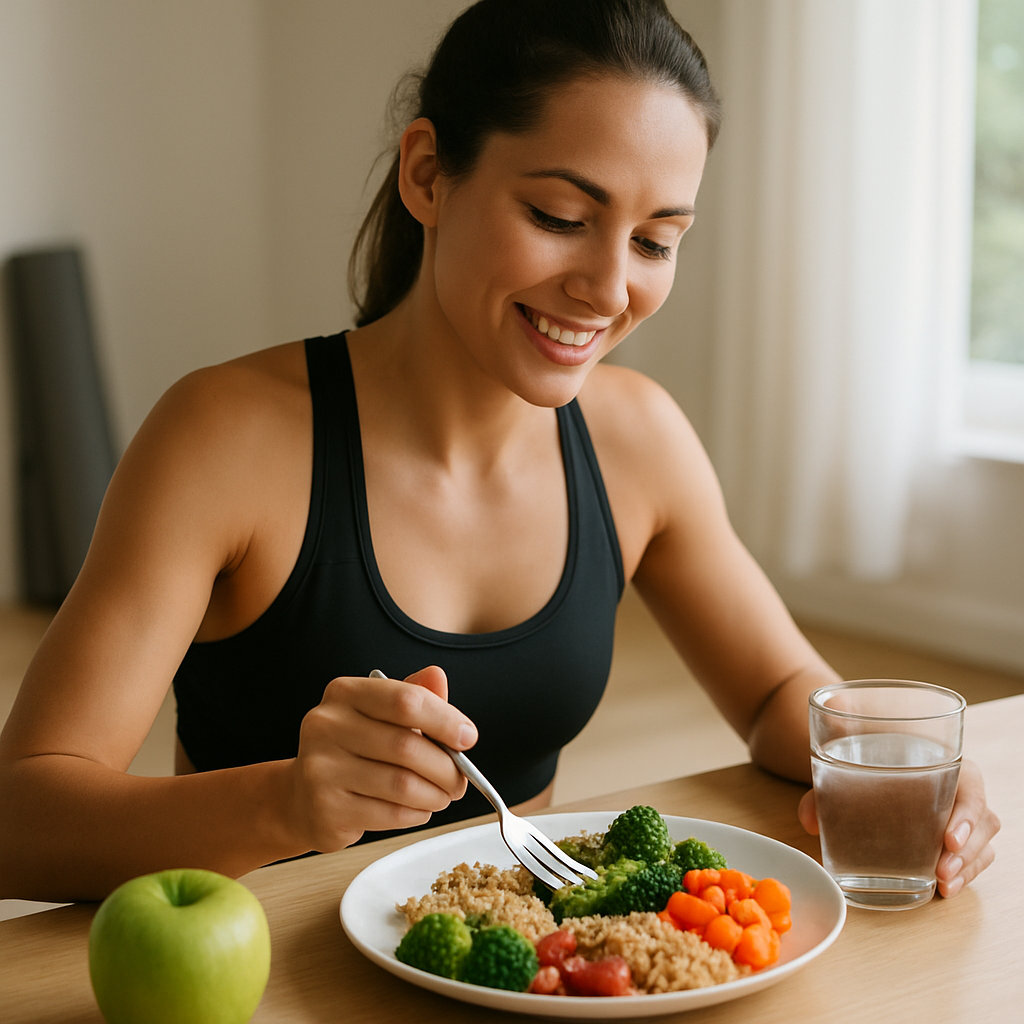
Fill half your plate with vegetables, a quarter with lean protein and a quarter with whole grains or starchy vegetables. This simple visual rule helps keep calories lower while boosting satiety.
3. Learn to read ingredient lists
If an item has a long list of ingredients you can’t pronounce—or includes multiple sweeteners, emulsifiers or artificial flavors—consider a whole-food alternative.
4. Make snacks whole-food based
Swap packaged snack mixes for fruit, a small portion of raw nuts, cottage cheese with fruit, or carrot sticks with hummus.
5. Cook more, simplify recipes
Simple cooking (roast vegetables, baked fish, soups) reduces reliance on convenience foods and helps control added fats, sugars, and salt.
Checklist: A quick one-week plan
- Monday: Replace one packaged snack with fresh fruit (try blueberries—good for heart and gut health).
- Tuesday: Make dinner a whole-food meal: roasted vegetables, grilled chicken, quinoa.
- Wednesday: Swap soda or juice for sparkling water with lemon.
- Thursday: Pack a whole-food lunch—salad with beans, seeds, and olive oil vinaigrette.
- Friday: Try a new vegetable or grain you haven’t cooked before.
- Weekend: Batch-cook simple soups or stews for easy unprocessed meals during the week.
For fruit ideas and how they help athletes, see this primer on fruits and running performance and a note on wild blueberries’ benefits.
How this helps performance, weight and long-term health
Eating more volume for fewer calories supports weight control without constant hunger. For people who train, fueling with whole foods improves recovery and stable energy—see practical post-workout nutrition tips to avoid the common slip-ups of grabbing processed snacks after a run. Whole-food patterns also emphasize micronutrients that support long-term metabolic and cognitive health.
Common Mistakes (and how to fix them)
- Fixating on “clean” labels: A product labeled “natural” or “clean” can still be energy-dense. Focus on single-ingredient foods and whole meals instead.
- Overeating healthy fats: Nuts, seeds, avocados and olive oil are nutrient-dense but calorie-dense too. Measure portions until you learn your serving size.
- All-or-nothing thinking: Skipping social events or feeling guilty about occasional treats is unsustainable. Allow planned flexibility.
- Ignoring convenience: If you don’t plan, you’ll revert to processed options. Batch-cook and keep simple whole-food snacks on hand.
- Forgetting protein: Too little protein can leave you hungry. Include lean proteins or plant-based equivalents at meals to preserve muscle and satiety.
Practical tips for staying on track
- Use a shopping list organized by store section to avoid impulse purchases.
- Prep vegetables and wash fruit as soon as you get home—visible, ready-to-eat produce increases the odds you’ll choose them.
- Learn a few go-to recipes you enjoy and rotate them.
- When eating out, choose items with minimal processing: grilled proteins, steamed vegetables, salads with vinaigrette.
- If you train, plan your post-workout snacks so you don’t reach for packaged convenience food; see post-run nutrition tips for common fixes.
Conclusion
Switching from ultra-processed foods to a diet centered on whole, unprocessed choices can help you eat more food by weight while trimming calories—often by around 330 calories per day in the study noted above. The benefits extend beyond calories: improved nutrient intake, better satiety, more consistent energy and potentially better long-term health. Start small, prioritize simple swaps, and make the plan fit your life so the change is sustainable. If you have specific medical conditions, dietary restrictions, or competitive performance goals, consult a registered dietitian or your healthcare provider before major dietary changes.
FAQ
1. Will switching to unprocessed foods automatically lead to weight loss?
Not automatically. Many people consume fewer calories when they make the switch because whole foods are less energy-dense and more filling, which often supports weight loss. Individual results depend on total calorie intake, activity level, and other factors. For tailored advice, consult a registered dietitian.
2. Are all processed foods bad?
No. Processing is a spectrum. Canned beans, frozen vegetables, plain yogurt and whole-grain bread can be helpful and minimally processed. The main concern is ultra-processed products engineered to drive overconsumption.
3. How do I handle cravings for ultra-processed snacks?
Address cravings by having whole-food alternatives ready (fruit, nuts in measured portions, plain yogurt with fruit). Also examine triggers—stress, fatigue or skipped meals often lead to cravings. Slow, mindful eating helps too.
4. Is the unprocessed approach expensive?
It can be affordable with planning. Buy seasonal produce, frozen fruit and vegetables, whole grains in bulk, and cook at home. Batch-cooking reduces waste and stretches ingredients across multiple meals.
5. Can athletes follow an unprocessed diet and still meet performance needs?
Yes. Athletes can meet energy and macronutrient needs with whole-food choices; prioritize enough carbohydrates and protein around training. For sport-specific guidance, see resources on fruits for running performance and post-run nutrition strategies.
Relevant links: Wild blueberries benefits • Fruits for running performance • Post-run nutrition fixes
Part of the Complete Strength Training Guide
Explore more: Complete Strength Training Guide













Post Comment