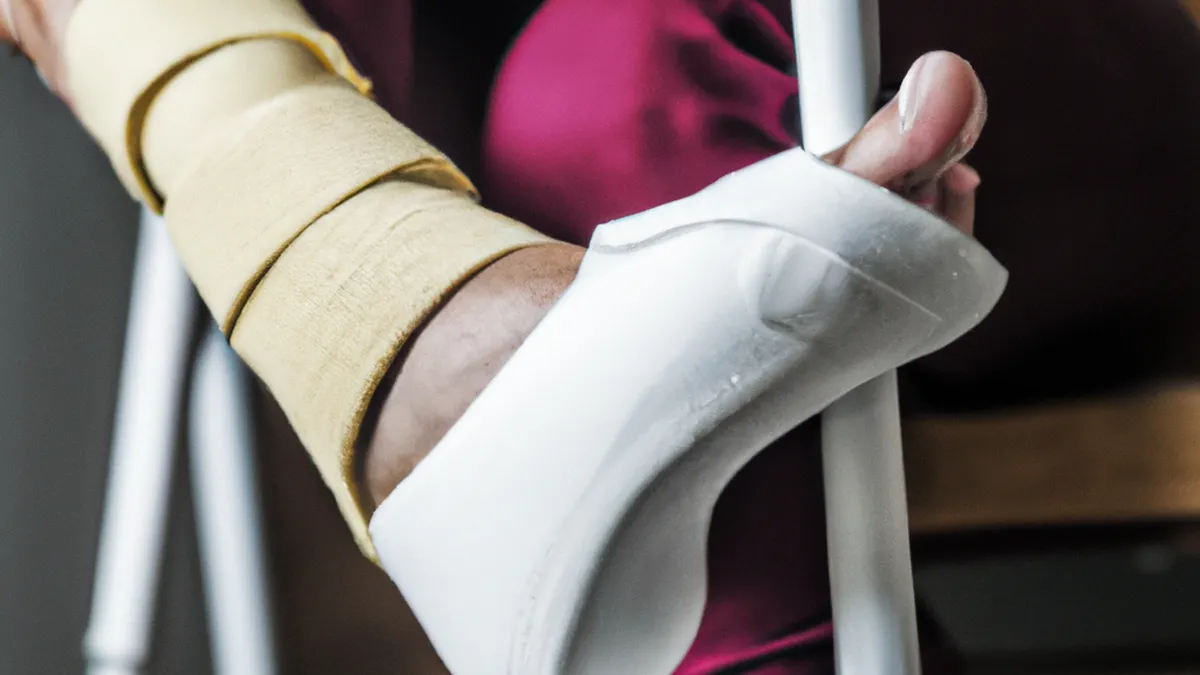
Supportive Footwear: Key to Injury Prevention
Best Footwear for Sprain PreventionSprains commonly occur during activities like sports and daily tasks. They happen when ligaments stretch or tear. Ankle sprains are especially frequent. Choosing the right footwear significantly reduces your sprain risk. This blog post explores footwear options, essential features, and tips for informed choices.
Understanding Sprains
You can sprain your ankle by twisting it awkwardly, which overstretches ligaments. Symptoms include pain, swelling, bruising, and limited mobility. Some sprains heal naturally with rest, while severe cases need medical attention. Preventing sprains is essential, especially for those participating in high-impact activities.
Key Features to Look for in Footwear
Certain features are critical when selecting shoes to reduce sprain risk.
Arch Support
Proper arch support maintains foot health and stability. Shoes with good arch support distribute weight evenly, minimizing pressure on specific areas. This balance helps prevent injuries, especially for those with flat feet or high arches. Choose shoes with built-in arch support or custom orthotic inserts for tailored stability.
Ankle Support
Footwear that provides ankle support prevents sprains, especially for athletes. High-top sneakers and hiking boots offer extra coverage around the ankle. Ensure shoes fit snugly around the ankle while allowing natural movement. A supported ankle is less likely to roll, significantly reducing sprain risk.
Traction
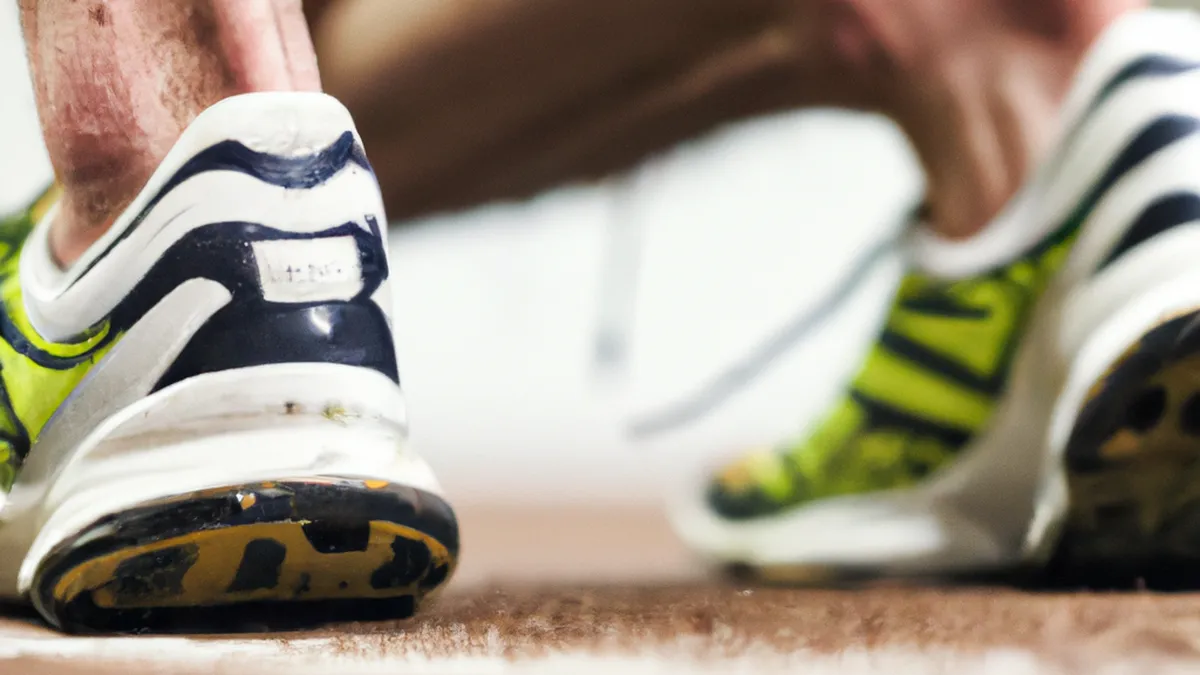
Good traction prevents slips and falls on uneven surfaces. Shoes with rubber outsoles provide better grip, maintaining stability during activities. Consider tread patterns designed for different terrains. Trail shoes, for example, have aggressive treads for better grip on rugged surfaces.
Tips for Choosing the Right Footwear
As an Amazon Associate I earn from qualifying purchases.
Gear tip: consider stretching strap, yoga blocks, and knee brace to support this topic.
Choose footwear based on practicality, not just style. Here are some tips for making the best choice.
Assess Your Activities
Think about your daily activities when selecting shoes. If you play sports, choose sport-specific footwear. Running shoes offer cushioning for long-distance runners, while cross-training shoes provide versatility. Tailoring your footwear to your lifestyle ensures optimal support and reduces injury risk.
Get the Right Fit
Always try on shoes before buying. A proper fit is essential for comfort and support.
Conclusion
Choosing the right footwear can significantly reduce your sprain risk. Prioritize support features and fit for optimal safety.
Below are related products based on this post:
FAQ
What causes sprains?
Sprains occur when ligaments are stretched or torn, often due to awkward movements such as twisting an ankle. Symptoms typically include pain, swelling, bruising, and limited mobility. While some sprains can heal naturally, others may require medical attention.
What features should I look for in footwear to prevent sprains?
When selecting shoes to reduce sprain risk, look for features such as proper arch support, ankle support, and good traction. Arch support helps distribute weight evenly, while ankle support from high-top sneakers or boots prevents rolling. Additionally, shoes with rubber outsoles provide better grip on various surfaces.
How can I ensure my shoes fit properly?
To ensure a proper fit, always try on shoes before purchasing. A good fit is crucial for comfort and support, which can help prevent injuries. Make sure the shoes snugly fit around your foot and allow for natural movement.












Post Comment