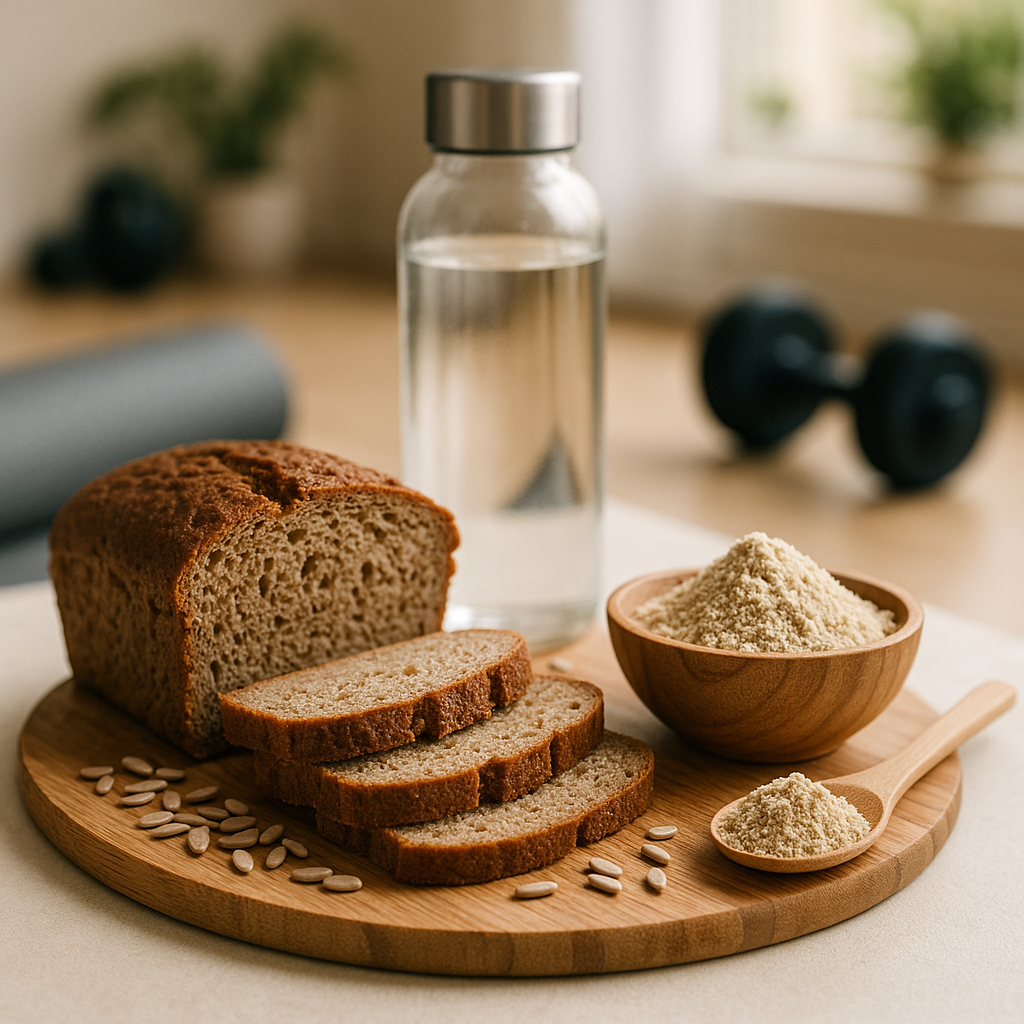
How to Boost Bread Nutrition with Sunflower Seed Flour — A Waste-to-Food Win
Researchers have discovered a practical, sustainable way to turn a byproduct of sunflower oil production into a bread ingredient that boosts protein, fiber and antioxidant levels — while potentially improving how the body handles carbohydrates and fats. This article explains what partially defatted sunflower seed flour is, why it matters for home bakers, and how to experiment with it in your own loaves.
Quick Summary
- Partially defatted sunflower seed flour (PDSF) is the leftover meal from oil extraction; it’s rich in protein, fiber and antioxidants.
- Replacing a portion of wheat flour with PDSF can increase nutritional value and may lower post-meal blood sugar spikes and fat digestion rates according to recent research.
- PDSF changes dough hydration and texture—start with small substitutions (10–20%), adjust water, and consider adding gluten if needed.
- Store PDSF cool and sealed to prevent rancidity; watch for seed allergies before use.
What is partially defatted sunflower seed flour?
When sunflower oil is pressed or extracted, the remaining seed solids are often processed into a meal or flour. “Partially defatted” indicates that some oil remains in the material — enough to contribute flavor and nutrients, but less than in whole seed flour. This byproduct has historically been used in animal feeds; now food scientists are evaluating its potential as a sustainable human food ingredient.
Nutritional and functional benefits
PDSF is interesting for bakers and nutrition-minded eaters for several reasons:
- Higher protein: Sunflower meal contains a notable amount of plant protein that complements wheat protein, increasing the protein density of the final bread.
- More fiber: The fiber content raises total dietary fiber per slice, which can help with digestion and satiety.
- Antioxidants and phytochemicals: Sunflower seeds contain vitamin E and other antioxidant compounds that can survive processing and add nutritional value.
- Potential metabolic effects: Early research suggests breads made with PDSF may produce a smaller rise in blood glucose after eating and may alter how dietary fats are digested. These findings are promising but preliminary and not a substitute for medical advice.
How PDSF changes bread dough and baked loaves
Replacing part of wheat flour with seed-based flours alters dough behavior because seed flours lack gluten and usually contain more fiber and oil. Expect the following:
- Hydration needs: PDSF absorbs more water, so dough may feel drier. You’ll usually need to increase liquid slightly.
- Texture and crumb: Higher substitution levels tend to reduce loaf volume and give a denser crumb. A nutty aroma and darker color are common.
- Dough strength: With significant replacement, gluten structure weakens; adding a small amount of vital wheat gluten or using a stretch-and-fold technique can help.
Practical steps: bake a test loaf with PDSF
Below are step-by-step instructions to try PDSF in a simple artisan-style loaf. Treat this as a starting point and adjust by feel and taste.
Suggested starter ratio
- Begin with a 10–20% substitution by weight (e.g., replace 100–200 g of a 1 kg flour mix with PDSF).
- For whole-wheat blends or hearty sourdoughs you can try up to 30% but expect denser bread; above 30% you’ll likely need extra gluten or mixing time.
Basic method (one medium loaf)
- Weigh ingredients precisely. Example: 400 g bread flour, 50 g PDSF (11%), 300–320 g water (adjust), 8 g salt, 6 g instant yeast, 15 g olive oil (optional).
- Mix dry ingredients thoroughly so the PDSF is evenly distributed.
- Add water and mix until shaggy; let autolyse 20–30 minutes to hydrate the PDSF.
- Develop gluten with 6–8 minutes of kneading or several stretch-and-folds over 1 hour if using minimal yeast.
- Bulk proof until ~double (time varies by temperature), shape, then final proof.
- Bake at 220°C (430°F) with steam for 30–40 minutes until internal temp reaches ~96–99°C (205–210°F).
Adjust water in small increments in future bakes. If crumb is too dense, reduce PDSF by 5% or add 1–2% vital wheat gluten to the flour weight.
Checklist: what to have before you start
- Partially defatted sunflower seed flour (PDSF) from a reputable food supplier
- Digital kitchen scale
- Measuring spoons, mixing bowl, bench scraper
- Oven with ability to generate steam (or a baking pan for water)
- Storage container for leftover PDSF (airtight) and a refrigerator/freezer space
- Label for purchase date — seed flours can go rancid
Common Mistakes
- Substituting too much too fast: Jumping to high percentages (over ~30%) often causes dry, crumbly loaves that disappoint; increase slowly and test.
- Not adjusting water: PDSF absorbs extra liquid; failing to increase hydration leads to tight, underproofed dough.
- Ignoring gluten needs: For breads that rely on airy crumb (baguettes, sandwich loaves), add small amounts of vital wheat gluten if you raise PDSF substantially.
- Improper storage: Storing PDSF at room temperature in an opened bag can cause off flavors from oxidation; keep it cold and sealed.
- Forgetting allergies and labeling: Sunflower seeds can cause allergic reactions in some people; label loaves and inform diners.
Storage, sourcing and sustainability
PDSF can often be sourced from specialty mills, online bulk suppliers, or baker-focused ingredient distributors. Because it’s an upcycled product — turning oil-extraction leftovers into food — it fits well into lower-waste, planet-friendly food systems. If sustainability matters to you, consider incorporating PDSF into a broader pattern of plant-forward eating; research supports Mediterranean-style and Nordic-oriented diets for long-term health and environmental benefits (Mediterranean diet, Nordic diet).
Store unopened PDSF in a cool, dark place. After opening, keep it sealed in the refrigerator for weeks or freeze for months to preserve freshness.
Conclusion
Partially defatted sunflower seed flour is a promising ingredient for bakers who want to increase the protein, fiber and antioxidant content of their breads while supporting upcycling of food-industry byproducts. Start conservatively with substitutions, pay attention to hydration and dough strength, and store the flour properly. The research is encouraging about possible metabolic benefits, but individual responses vary — consult a registered dietitian or healthcare provider if you have health conditions or specific dietary concerns.
FAQ
- What exactly is partially defatted sunflower seed flour?
It’s the meal left after extracting most of the oil from sunflower seeds. Some oil remains, giving the flour a nutty flavor and rich nutrient profile compared with fully defatted or whole-seed flours.
- How much can I replace wheat flour with PDSF without ruining bread?
Most home bakers have good success starting at 10–20% substitution by weight. You can experiment up to 30% in sturdier loaves; above that, expect denser texture and consider adding gluten or altering technique.
- Does using PDSF make bread lower in carbs or better for blood sugar?
Research indicates that replacing part of wheat flour with PDSF can increase fiber and protein and may produce a smaller post-meal blood sugar rise in some contexts. However, results vary and this is not medical advice — consult a health professional if you manage diabetes or metabolic issues.
- Is PDSF suitable for gluten-free baking?
No. PDSF itself is gluten-free, but replacing wheat flour with PDSF removes gluten structure. To make gluten-free bread you’ll need a separate formulation with suitable binders, starches and gums.
- Where can I buy PDSF and how should I store it?
Look for specialty baking suppliers, bulk-food online retailers, or mills that sell seed meals intended for human consumption. Keep PDSF sealed, refrigerated after opening, or frozen for long-term storage to prevent rancidity.
Part of the Complete Strength Training Guide
Explore more: Sports Nutrition & Supplementation














Post Comment