
Streamlined Motion: The Biomechanics Advantage
The Importance of Biomechanics in PerformanceAthletes aim for peak performance in their training. They often overlook a crucial element: biomechanics. Understanding biomechanics significantly enhances athletic performance. This science explores human movement mechanics, helping athletes optimize their actions. By focusing on biomechanics, athletes improve efficiency, reduce injuries, and enhance overall performance.
What is Biomechanics?
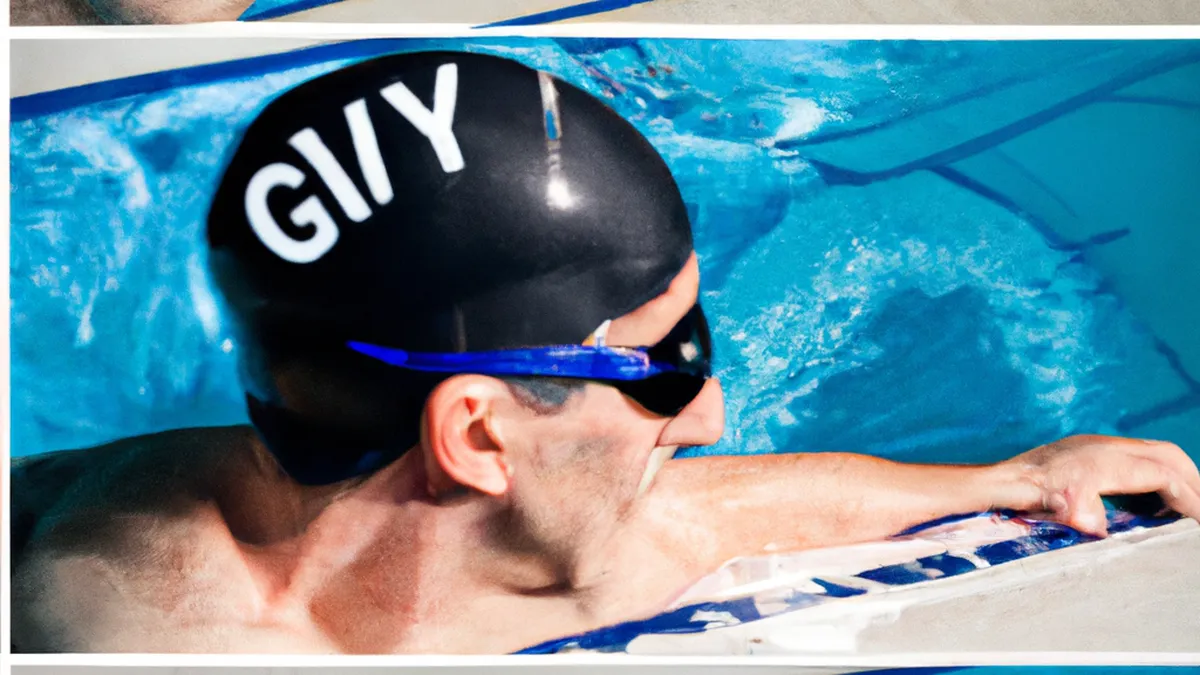
Biomechanics combines biology and mechanics to study human movement. It examines how muscles, bones, tendons, and ligaments work together. This discipline analyzes various sports movements to identify effective techniques. For example, biomechanical analysis can improve a sprinter’s stride or a swimmer’s stroke. Athletes can develop better techniques to improve performance and ensure longevity in their sports careers.
Key Components of Biomechanics
1. **Kinematics**: This aspect studies motion without considering the forces causing it. It focuses on speed, distance, and angles. For instance, analyzing a runner’s stride length reveals ways to increase speed and reduce energy expenditure. Kinematics also helps determine the optimal angle for shot put throws, maximizing distance with minimal effort.2. **Kinetics**: Kinetics examines the forces causing motion. Understanding these forces helps athletes enhance power and control. For instance, weightlifters can adjust their grip and stance to optimize lifting efficiency. Analyzing forces during a lift identifies effective techniques to increase personal records while minimizing injury risk.3. **Tissue Mechanics**: This area studies how biological tissues respond to forces. It helps understand injury risks and rehabilitation techniques. Knowledge of tissue mechanics guides athletes in recovery processes by strengthening vulnerable areas. For example, understanding ligament properties informs training regimens that protect against specific injuries.
Tips for Implementing Biomechanics in Training
As an Amazon Associate I earn from qualifying purchases.
Gear tip: consider swim goggles, swim cap, and kickboard to support this topic.
Athletes can incorporate biomechanics into their training routines in several ways. Here are practical tips:1. **Analyze Movement Patterns**: Use video analysis to evaluate techniques. Record performances and review footage for invaluable insights. Look for inefficiencies, such as wasted energy or improper alignment. Motion capture technology offers detailed feedback on body mechanics.2. **Work with a Specialist**: Collaborate with biomechanics experts or sports scientists. They assess movements and provide personalized feedback. This guidance refines techniques and addresses biomechanical issues that could lead to injury.3. **Incorporate Drills**: Use specific drills that focus on biomechanics. These drills target improvement areas like core stability, balance, and coordination. For instance, plyometric exercises enhance power output while emphasizing proper landing mechanics to prevent injuries.
Conclusion
Biomechanics plays a vital role in athletic performance. Understanding and applying its principles can lead to improved techniques and reduced injury risks. Athletes should prioritize biomechanics for long-term success in their sports careers.
Below are related products based on this post:
FAQ
What is biomechanics?
Biomechanics is the study of human movement that combines biology and mechanics. It examines how muscles, bones, tendons, and ligaments work together, analyzing various sports movements to identify effective techniques. This understanding helps athletes develop better techniques to improve their performance and ensure longevity in their sports careers.
What are the key components of biomechanics?
The key components of biomechanics include kinematics, kinetics, and tissue mechanics. Kinematics studies motion without considering forces, while kinetics examines the forces causing motion. Tissue mechanics focuses on how biological tissues respond to forces, guiding athletes in understanding injury risks and rehabilitation techniques.
How can athletes implement biomechanics in their training?
Athletes can implement biomechanics in their training by analyzing movement patterns through video analysis, working with specialists for personalized feedback, and incorporating specific drills that target core stability, balance, and coordination. These methods enhance performance and reduce the risk of injury by refining techniques and addressing biomechanical issues.













Post Comment