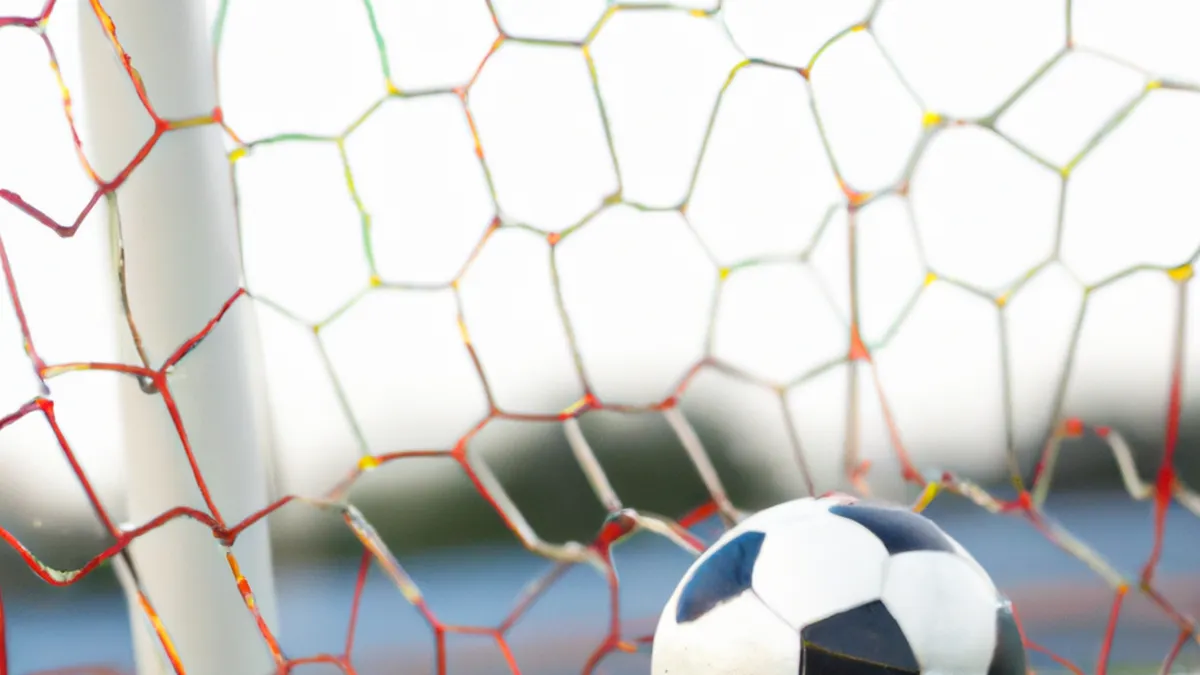
Standard vs. Specialty: Choosing Your Ball
Choosing the Right Sepak Takraw BallSepak Takraw combines soccer and volleyball. This fast-paced sport showcases agility, skill, and strategy. The Sepak Takraw ball plays a crucial role in your performance. Choosing the right ball enhances your enjoyment and effectiveness. This guide offers insights for making an informed decision.
Understanding the Types of Balls
You can choose between two primary types of Sepak Takraw balls: rattan and synthetic. Each type has unique characteristics, advantages, and disadvantages.
Rattan Balls
Players commonly use rattan balls in professional tournaments. Made from woven rattan strips, these balls provide a unique feel and aesthetic. Many players enjoy the authentic experience of using rattan balls. However, rattan balls often lack durability compared to synthetic options. Rigorous play can cause them to fray or break down over time.
Synthetic Balls
Synthetic balls consist of materials like plastic or rubber. Players favor these balls for their durability and consistency. Many choose synthetic options for recreational play due to their resilience. Synthetic balls maintain uniform shapes, improving performance and predictability. Manufacturers design some synthetic balls to mimic rattan’s feel, blending traditional and modern elements.
Consider the Size and Weight
As an Amazon Associate I earn from qualifying purchases.
Gear tip: consider soccer cleats, compact home gym set, and soccer ball to support this topic.
Size and weight are vital factors when selecting a Sepak Takraw ball. Official standards enhance gameplay and ensure fair competition.
Official Size
International standards state that an official Sepak Takraw ball measures between 42 and 44 centimeters in circumference. This size suits competitive play, ensuring uniform equipment. Beginners might benefit from a slightly larger ball for better control and confidence while learning.
Weight Matters
A Sepak Takraw ball usually weighs between 170 and 180 grams. Heavier balls provide better stability, especially in windy conditions. Lighter balls enhance control and maneuverability. Beginners often find lighter balls easier to kick and manage. Experienced players may prefer heavier balls for added precision and strength challenges.
Pay Attention to the Material
The ball’s material influences its durability, feel, and performance. Understanding these factors helps you make an informed choice.
Rattan vs. Synthetic Materials
Rattan balls deliver a classic experience with a natural feel that many players appreciate. They offer a traditional gameplay experience.
Conclusion
In summary, consider the ball type, size, weight, and material when choosing a Sepak Takraw ball. Making an informed decision enhances your game.
Below are related products based on this post:
FAQ
What types of Sepak Takraw balls are available?
There are two primary types of Sepak Takraw balls: rattan and synthetic. Rattan balls are commonly used in professional tournaments and offer a unique feel, while synthetic balls are favored for their durability and consistency.
What are the size and weight specifications for Sepak Takraw balls?
An official Sepak Takraw ball measures between 42 and 44 centimeters in circumference and weighs between 170 and 180 grams. Beginners might benefit from a slightly larger and lighter ball for better control, while experienced players may prefer heavier options for added precision.
How does the material of a Sepak Takraw ball affect its performance?
The material of the ball influences its durability, feel, and overall performance. Rattan balls provide a classic experience with a natural feel, while synthetic balls offer resilience and uniformity, improving gameplay consistency.













Post Comment