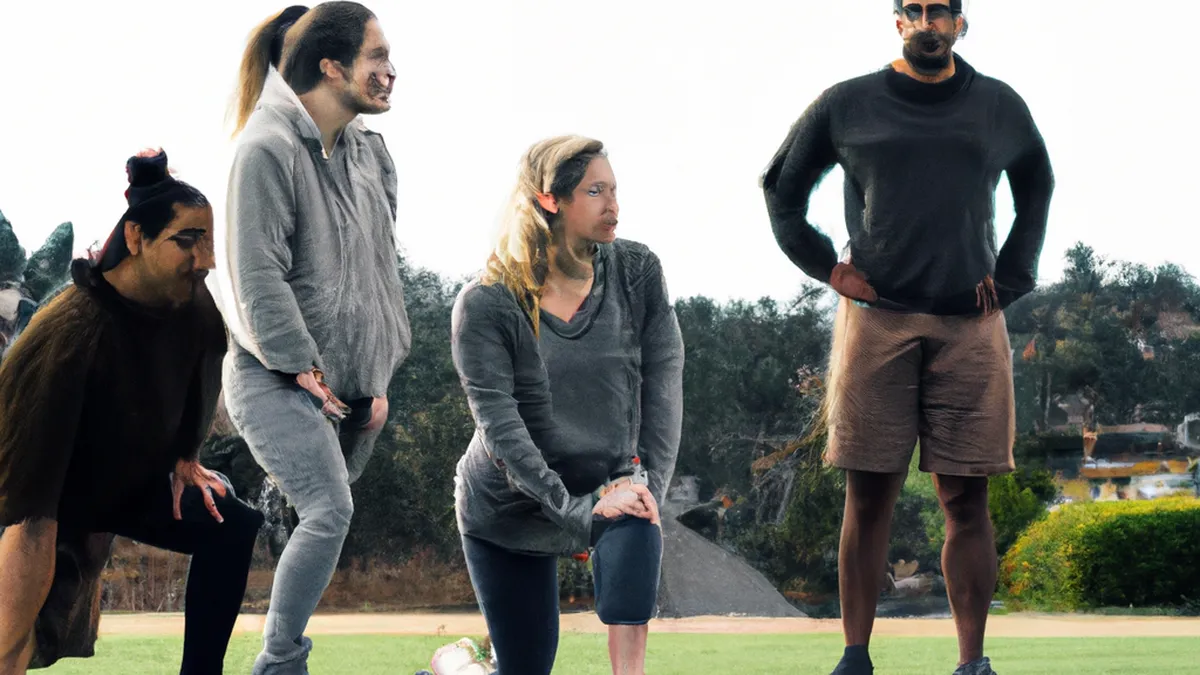
Squat Insights: Alignment and Balance
Proper Squat Form Analysis: A Comprehensive GuideSquats form a foundational exercise in strength training. They build muscle, improve mobility, and enhance athletic performance. Improper form may cause injuries and reduce the benefits. This guide helps you achieve proper squat form, avoid common pitfalls, and understand the benefits.
Understanding the Basics of Squats
Squats involve bending your knees and lowering your hips. This mimics sitting down. The exercise primarily engages the quadriceps, hamstrings, glutes, and calves. Your core stabilizes your body throughout the movement. Start by standing with feet shoulder-width apart and toes pointed slightly outward. This position helps maintain balance and control during the squat.
The Mechanics of a Proper Squat
To execute a proper squat, follow these steps:1. **Set Your Stance**: Stand tall with feet shoulder-width apart. Point your toes slightly outward, typically at a 15-30 degree angle. This allows your knees to track over your toes during the squat.2. **Initiate the Movement**: Push your hips back as if sitting in a chair. Lower your body by bending your knees while keeping your chest up and back straight. Lead with your hips, not your knees.3. **Lower Your Body**: Lower until your thighs are parallel to the ground or as low as your flexibility allows. Keep your knees aligned with your toes and do not let them extend beyond.4. **Engage Your Core**: Pull your belly button toward your spine to engage your core. This stabilizes your torso and helps maintain a neutral spine, preventing excessive arching.5. **Return to Standing**: Push through your heels to rise back up. Squeeze your glutes at the top and maintain a tall posture.
Key Tips for Proper Squat Form
As an Amazon Associate I earn from qualifying purchases.
Gear tip: consider stretching strap, yoga blocks, and mobility sliders to support this topic.
1. Maintain an Upright Torso
Maintain an upright torso during squats. Keep your chest up and shoulders back for a neutral spine. Avoid leaning forward, which strains your lower back. Imagine a string from your head to the ceiling to encourage proper alignment.
2. Focus on Your Knees
Ensure your knees track in line with your toes throughout the squat. Avoid letting them cave inward or bow outward, as this can lead to injuries. Monitor your knees for proper alignment.
Conclusion
Mastering proper squat form enhances strength and prevents injuries. Following these guidelines will help you maximize your squat benefits.
Below are related products based on this post:
FAQ
What are the benefits of proper squat form?
Proper squat form enhances muscle building, improves mobility, and boosts athletic performance. Additionally, it helps prevent injuries that can occur from improper technique. Mastering the correct form allows individuals to maximize the effectiveness of their workouts.
How should I position my feet for a squat?
Your feet should be shoulder-width apart with toes pointed slightly outward, typically at a 15-30 degree angle. This positioning helps ensure that your knees track over your toes, promoting balance and control during the movement. Proper foot placement is crucial for maintaining stability while squatting.
What should I do if my knees cave inward during a squat?
If your knees cave inward, focus on ensuring they track in line with your toes throughout the squat. Strengthening your hip and leg muscles can also help improve alignment. Monitoring your form and practicing proper technique will reduce the risk of injury and enhance squat effectiveness.














Post Comment