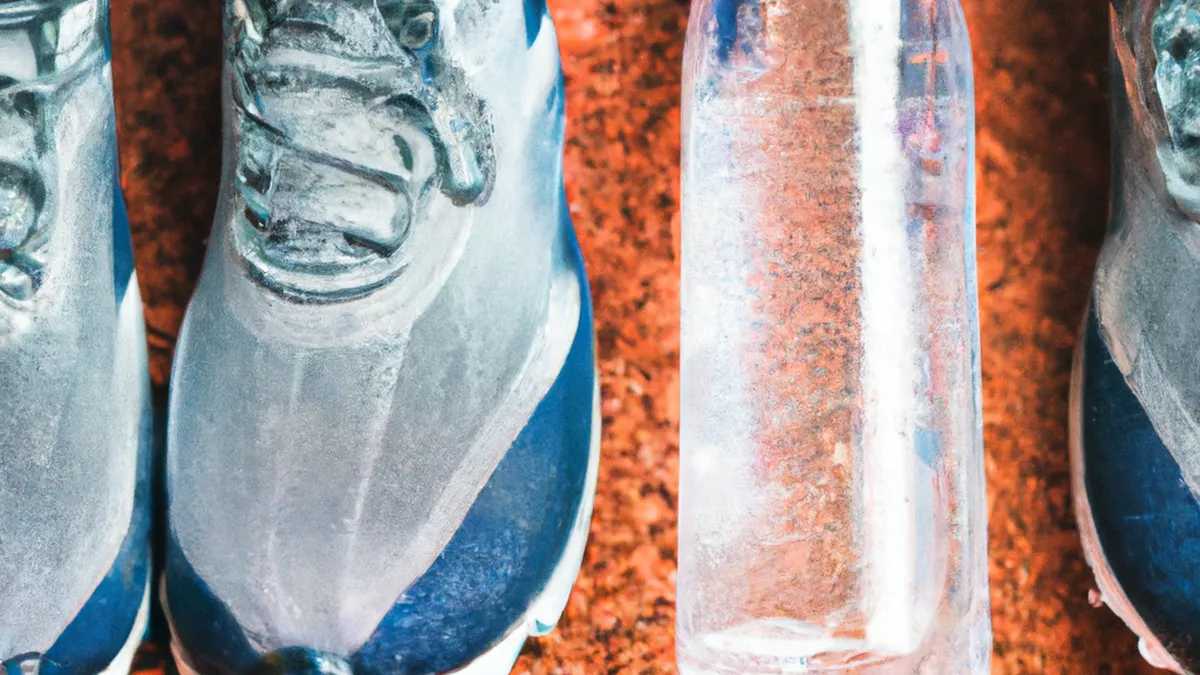
Socks Matter: Choose Wisely
Managing Blister Prevention: Tips for Comfort and PerformanceBlisters can disrupt your physical activities, whether you run, hike, or walk. These painful bubbles can hinder your performance. Fortunately, preventing blisters is manageable with effective strategies. You can enjoy your activities without worrying about painful blisters.
Understanding Blisters
Blisters form due to friction, heat, or moisture that separates skin layers. This separation fills with fluid, creating bubbles. Ill-fitting shoes, prolonged activity, or wet conditions can cause blisters. Knowing these causes helps you take preventive steps.
Choose the Right Footwear
As an Amazon Associate I earn from qualifying purchases.
Gear tip: consider running shoes, hydration vest, and running headlamp to support this topic.
Selecting proper footwear is essential. Ensure your shoes fit well and allow toe movement. A snug heel fit prevents friction-causing movement. Choose shoes appropriate for your activity; running shoes differ from hiking boots.Break in new shoes gradually. Wear them for short periods before long distances. This allows the material to adapt to your feet. Use moisture-wicking socks to keep your feet dry and reduce friction. Look for synthetic materials or merino wool.
Sock Selection Matters
When selecting socks, consider thickness and material. Thicker socks offer extra cushioning but can create tighter shoes. Experiment with different combinations to find what works for you.Avoid cotton socks, as they retain moisture and may lead to blisters. Choose synthetic blends or wool instead. These materials wick moisture away, keeping your feet dry.
Use Protective Measures
Even the best footwear may not suffice. In these cases, apply blister prevention products to high-friction areas. Use gel pads, blister bandages, or blister prevention sticks to create a barrier between skin and shoe.You can also use tape. Medical tape or moleskin protects vulnerable spots. Cut the tape to size and apply it before activity. This extra layer can significantly reduce blister risk.
Keep Your Feet Dry
Dry feet resist blisters. Use foot powder to absorb moisture and maintain dryness. Take breaks during long activities. Remove your shoes to let your feet breathe and prevent moisture buildup.
Listen to Your Body
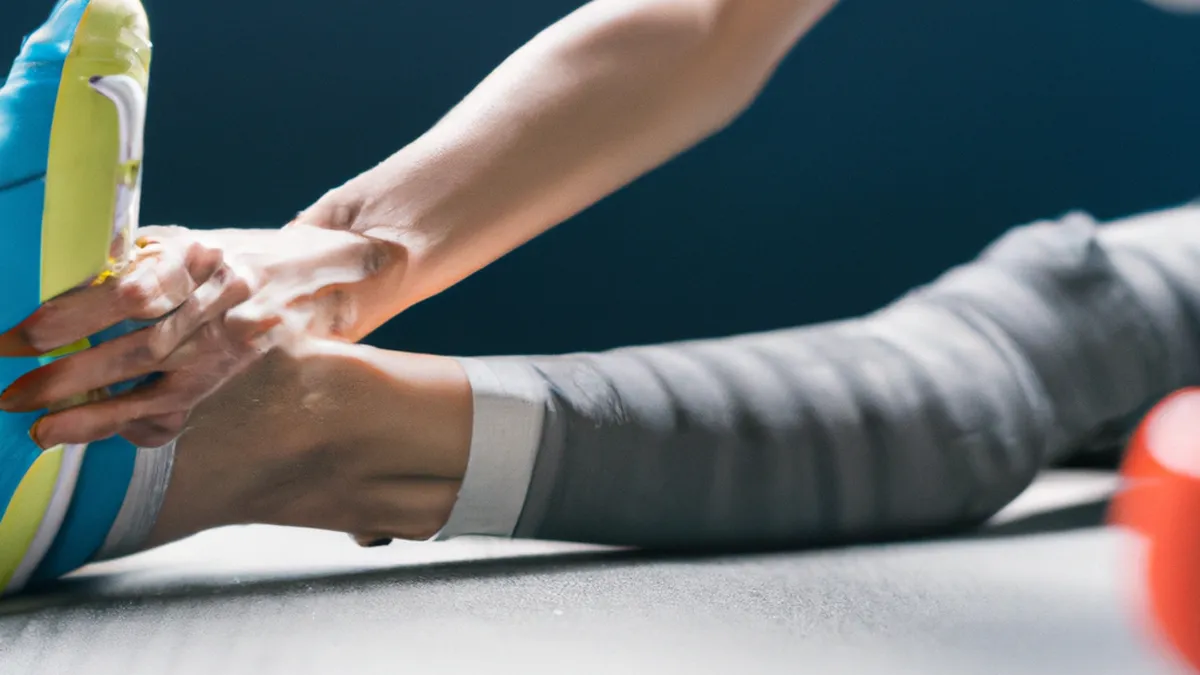
Always heed your body’s signals. If you feel discomfort, stop and assess the situation. Check for any signs of blister formation. Spotting a blister early can often prevent worsening.Adjust your activity if necessary. Sometimes, slowing down or changing your route helps. It’s better to take a break than risk a painful blister.
Seek Professional Help
If blisters frequently occur, consult a professional. A podiatrist can analyze your gait and recommend proper footwear. They may suggest custom orthotics for improved fit and comfort. Investing in foot health pays off long-term.
Benefits of Blister Prevention
Managing blister prevention provides numerous benefits. You’ll enjoy greater comfort during activities. No one wants to cut a hike short due to foot pain. You’ll also enhance performance when comfortable.Preventing blisters saves time and money. Treating blisters can be costly and time-consuming. By preventing them, you can spend more time enjoying activities.Lastly, you’ll feel more confident. Knowing your feet are protected allows you to push your limits. Whether training for a marathon or exploring a new trail, you’ll be ready.
Conclusion
Managing blister prevention is vital for anyone leading an active lifestyle. Choose the right footwear, use protective measures, and listen to your body to keep blisters at bay. Keep your feet dry and consider professional advice when needed. Adopting these strategies leads to a more comfortable and enjoyable experience. Lace up your shoes and embrace your adventures, free from painful blisters!
Below are related products based on this post:
FAQ
What causes blisters?
Blisters form due to friction, heat, or moisture that separates skin layers. This separation fills with fluid, creating painful bubbles. Ill-fitting shoes, prolonged activity, or wet conditions are common causes of blisters.
How can I prevent blisters?
Preventing blisters involves choosing the right footwear and using protective measures. Ensure your shoes fit well, break in new shoes gradually, and use moisture-wicking socks. Additionally, applying blister prevention products to high-friction areas can help.
When should I seek professional help for blisters?
If blisters frequently occur, it’s advisable to consult a professional such as a podiatrist. They can analyze your gait, recommend proper footwear, and suggest custom orthotics for improved fit and comfort. Investing in foot health can prevent future issues.











Post Comment