Snatch vs. Clean: Injury Risks Explained
Common Injuries in Olympic Weightlifting and How to Prevent ThemOlympic weightlifting challenges athletes with strength, precision, and technique. However, it carries risks for injuries. Improper technique, overtraining, and inadequate preparation often lead to injuries. Understanding these injuries and their prevention is essential for safety and performance. This post explores common injuries in Olympic weightlifting and offers prevention strategies.
As an Amazon Associate I earn from qualifying purchases.
Gear tip: consider foam roller, hip thrust pad, and weightlifting shoes to support this topic.
Common Injuries in Olympic Weightlifting
Olympic weightlifting can cause various injuries. Athletes may face injuries that hinder performance and lead to long-term issues. Here are the most common injuries:
Shoulder Injuries
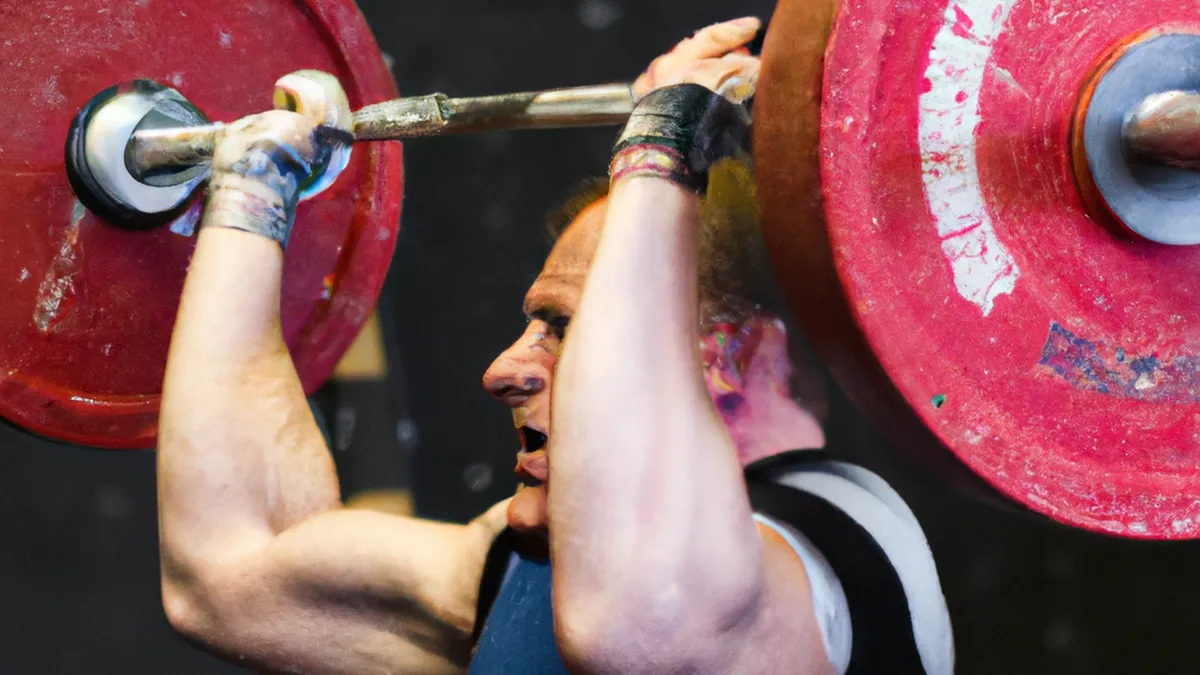
Shoulder injuries rank high in Olympic weightlifting. Athletes often suffer from rotator cuff strains, shoulder impingement, or labral tears. These injuries typically occur during overhead lifts like the snatch and clean and jerk. The shoulder joint endures extreme motion and heavy loads, increasing vulnerability. Faulty form, such as improper bar path or instability, can worsen these injuries.
Knee Injuries
Knee injuries, including patellar tendonitis (often called “jumper’s knee”) and ligament strains, are also common. Weightlifters exert significant stress on their knees during squats and lifts. Poor technique, like allowing the knees to cave in or overextending them, can result in injuries. Additionally, weak surrounding muscles increase the risk of knee injuries.
Back Injuries
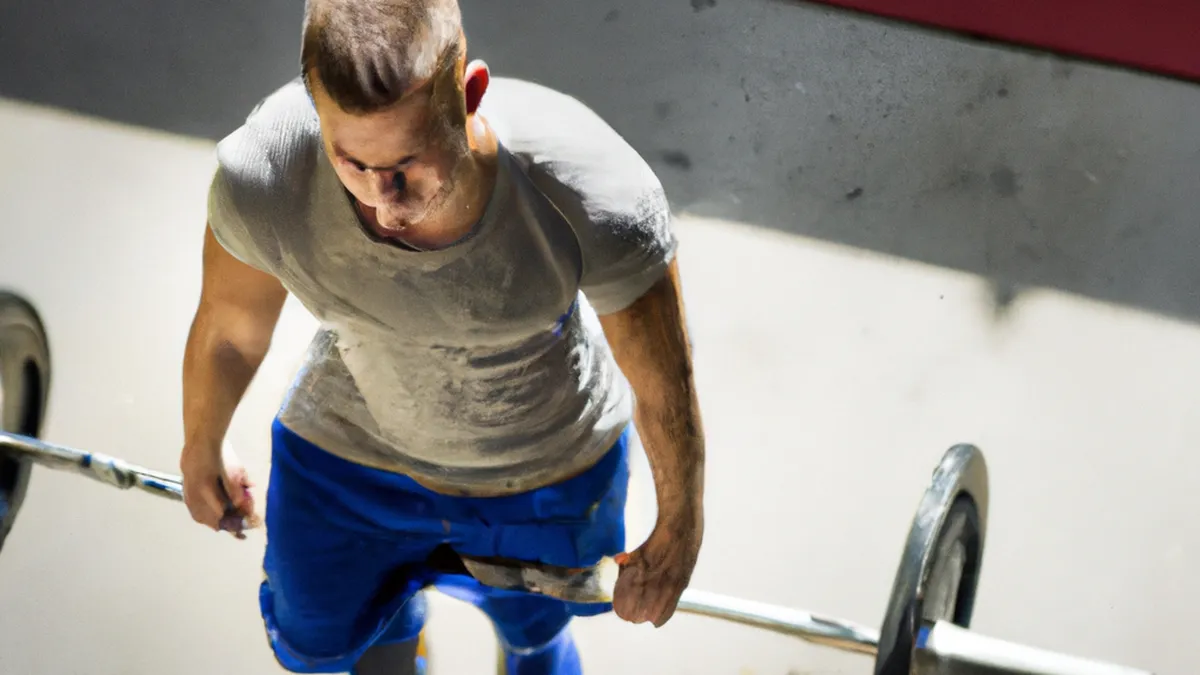
Back injuries, especially lower back strains or herniated discs, rank high among weightlifting injuries. Athletes often sustain these injuries during deadlifts or lifting from the ground. Poor posture, lack of core strength, or improper mechanics can lead to serious back problems. Rounding the back during lifts often causes significant injuries.
Wrist and Elbow Injuries
Wrist and elbow injuries frequently occur due to high demands placed on these joints during Olympic lifts. Common injuries include wrist sprains, tendonitis, and elbow strains. Improper grip, excessive load, or insufficient mobility in these areas can cause injuries. The overhead positions in Olympic lifts require strong, stable joints, and any weakness can lead to problems.
Tips for Preventing Injuries
Preventing injuries in Olympic weightlifting requires diligence and attention to detail. Here are effective strategies to minimize risks:
1. Focus on Technique
Always prioritize proper technique over lifting heavier weights. Good form significantly reduces the risk of injury. Work with a qualified coach or experienced lifter to perfect your mechanics. Regularly review your form through video analysis or feedback, especially when fatigued. Remember that lifting requires correct movement, not just strength.
Conclusion
In summary, understanding common injuries in Olympic weightlifting and implementing effective prevention strategies is crucial for athlete safety and performance.
Below are related products based on this post:
FAQ
What are the most common injuries in Olympic weightlifting?
The most common injuries in Olympic weightlifting include shoulder injuries, knee injuries, back injuries, and wrist and elbow injuries. These injuries often result from improper technique, overtraining, or inadequate preparation. Each type of injury can significantly hinder performance and lead to long-term issues if not addressed.
How can athletes prevent injuries while weightlifting?
Preventing injuries in Olympic weightlifting involves focusing on proper technique and form. Athletes should prioritize good mechanics over lifting heavier weights and seek guidance from qualified coaches. Regularly reviewing performance through video analysis can also help identify and correct any flaws in technique.
What role does technique play in injury prevention?
Technique plays a crucial role in injury prevention during Olympic weightlifting. Good form significantly reduces the risk of injuries by ensuring that athletes lift safely and effectively. Faulty form can exacerbate existing vulnerabilities, making it essential for lifters to master their mechanics before attempting heavier loads.











Post Comment