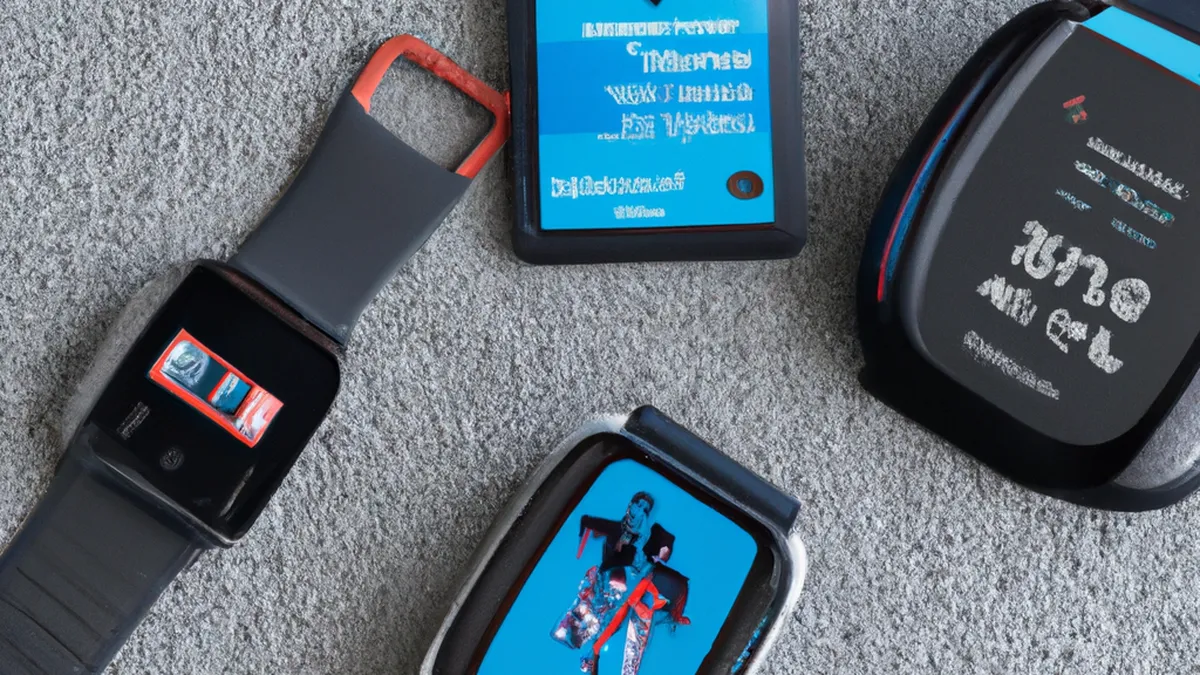
Smartwatches: Pros and Cons for Athletes
An Overview of Performance Tracking DevicesToday, athletes and fitness enthusiasts rely on performance tracking devices. These tools provide insights into various performance aspects, helping users reach fitness goals. Whether you are a professional athlete or a casual gym-goer, tracking performance enhances training and promotes accountability. This article explores types of performance tracking devices, their features, benefits, and guidance on selecting the right device for your needs.
Types of Performance Tracking Devices
Performance tracking devices come in various forms, each serving specific purposes for different users.
Wearable Fitness Trackers
Wearable fitness trackers rank among the most popular devices. Typically designed as wristbands or smartwatches, they feature sensors that monitor heart rate, step count, calorie expenditure, and sleep quality. Users can easily track daily activity levels, set fitness goals, and monitor progress. Most wearable fitness trackers sync with smartphones for seamless data analysis and sharing. Popular brands include Fitbit, Garmin, and Apple Watch, each offering unique features for various lifestyles.
GPS Sports Watches
GPS sports watches cater to runners, cyclists, and outdoor enthusiasts who need precise distance and pace measurements. These watches utilize satellite technology to track distance, speed, pace, and elevation gain. Many GPS watches also monitor heart rate and offer built-in training programs, making them ideal for serious athletes. Their durability and water resistance make them reliable during long runs or hikes without needing a smartphone.
Smart Clothing
Smart clothing integrates sensors into apparel to monitor biometric data like heart rate, muscle activity, and body temperature. Smart shirts, shorts, and sports bras provide real-time feedback during workouts. This technology helps users optimize performance and prevent injuries. As this field evolves, expect more sophisticated smart clothing options in the market.
Mobile Apps
Mobile apps complement wearable devices by allowing users to log workouts, track nutrition, and analyze performance trends. Popular fitness apps like MyFitnessPal and Strava enable users to connect with friends, share achievements, and participate in challenges. This social aspect enhances motivation and accountability, as users support each other on their fitness journeys. Some apps even offer personalized training plans based on individual goals and fitness levels.
Tips for Choosing the Right Device
As an Amazon Associate I earn from qualifying purchases.
Gear tip: consider weighted blanket, sleep mask, and balance board to support this topic.
Selecting the right performance tracking device can feel overwhelming due to numerous options. Here are tips to help you make an informed decision:
Assess
Conclusion
In summary, performance tracking devices play a vital role in helping users achieve their fitness goals.
Below are related products based on this post:
FAQ
What are performance tracking devices?
Performance tracking devices are tools used by athletes and fitness enthusiasts to gain insights into their performance. They help users monitor various aspects of their fitness, which can enhance training and promote accountability.
What types of performance tracking devices are available?
There are several types of performance tracking devices, including wearable fitness trackers, GPS sports watches, smart clothing, and mobile apps. Each type serves specific purposes and caters to different user needs, from daily activity tracking to precise distance measurements.
How can I choose the right performance tracking device for my needs?
Selecting the right performance tracking device involves assessing your personal fitness goals and preferences. Consider the features you need, such as heart rate monitoring or GPS capabilities, and explore various brands to find a device that fits your lifestyle.
Part of the Complete Strength Training Guide
Explore more: Complete Strength Training Guide














Post Comment