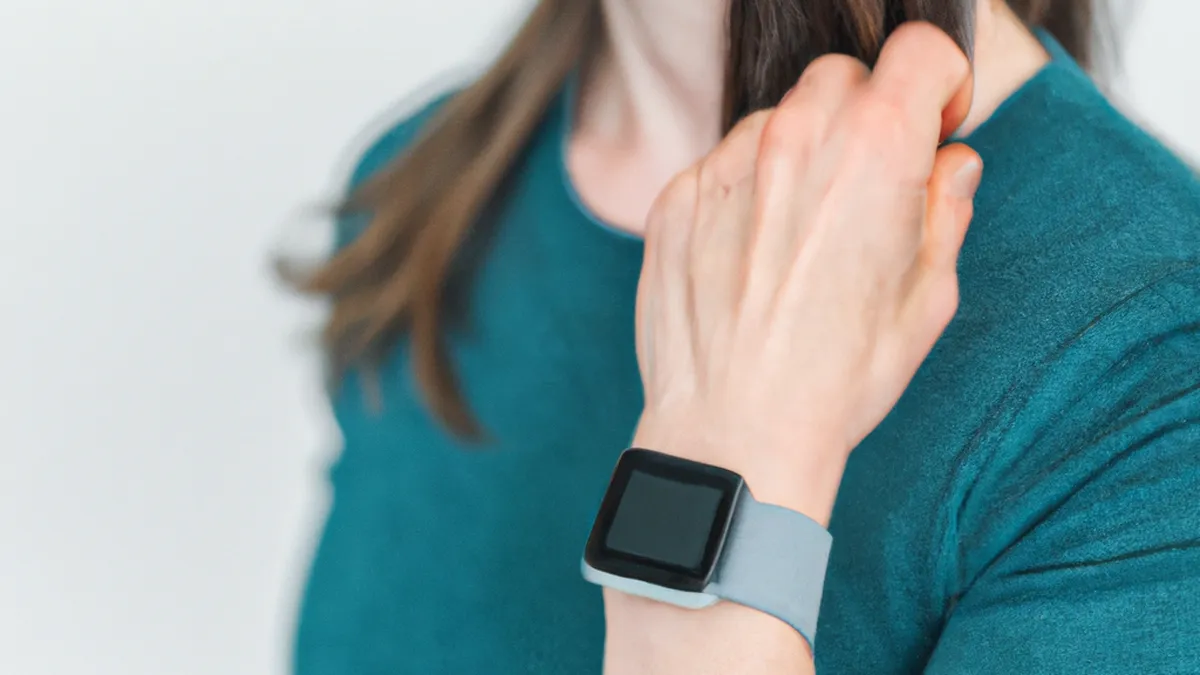
Simplify Load Adjustments with HRV Tracking
Adjusting Training Loads Using HRV DataHeart Rate Variability (HRV) helps athletes and fitness enthusiasts optimize training and recovery. Tracking HRV provides insights into your body’s readiness. Monitoring HRV allows you to adjust training loads effectively and minimize injury risk. This blog explores HRV intricacies, its use for training adjustments, and the benefits of integrating HRV data.
Understanding HRV
HRV measures the time intervals between heartbeats. It reflects the autonomic nervous system (ANS), controlling involuntary bodily functions like heart rate and digestion. The ANS has two branches: the sympathetic nervous system (SNS) prepares the body for stress, while the parasympathetic nervous system (PNS) promotes relaxation.Higher HRV indicates better recovery and lower stress, showing your body can meet physical demands. Lower HRV points to fatigue, stress, or overtraining. Athletes can track HRV to make informed decisions about training loads and recovery.
Why Use HRV for Training Adjustments?
As an Amazon Associate I earn from qualifying purchases.
Gear tip: consider multisport smartwatch, power meter, and cadence sensor to support this topic.
Using HRV data personalizes your training program based on your current state. Consider these compelling reasons to integrate HRV into your regimen:1. **Improved Recovery Monitoring**: HRV offers real-time feedback on recovery. Monitoring HRV trends indicates whether your body can handle intense workouts or needs rest.2. **Injury Prevention**: Early HRV monitoring identifies overtraining signs, allowing you to adjust loads and reduce injury risk.3. **Enhanced Performance**: Finding the right training intensity matters for performance. HRV data helps you maximize workouts while protecting your body.4. **Stress Management**: HRV indicates overall stress levels, both physical and mental. Tracking HRV enables better stress management and overall well-being.
Tips for Adjusting Training Loads with HRV
1. **Track Your HRV Daily**: Use a reliable HRV tracking device, like a smartwatch. Consistent daily measurements reveal clearer trends and overall well-being.2. **Establish a Baseline**: Measure your average HRV over several weeks to create a baseline, helping you spot significant deviations.
Conclusion
Incorporating HRV data into your training enhances recovery, prevents injuries, and improves performance. Understanding and tracking your HRV can transform your fitness routine.
Below are related products based on this post:
FAQ
What is Heart Rate Variability (HRV)?
Heart Rate Variability (HRV) measures the time intervals between heartbeats, reflecting the state of the autonomic nervous system (ANS). It indicates how well your body can handle stress and recovery, with higher HRV suggesting better recovery and lower stress levels.
How can HRV data improve my training?
HRV data personalizes your training by providing insights into your recovery status and overall readiness. By monitoring HRV, you can adjust your training loads to optimize performance, prevent injuries, and manage stress effectively.
What are some tips for tracking HRV?
To effectively track HRV, measure it daily using a reliable device, such as a smartwatch. Establishing a baseline by averaging your HRV over several weeks allows you to identify significant changes and make informed training decisions.














Post Comment