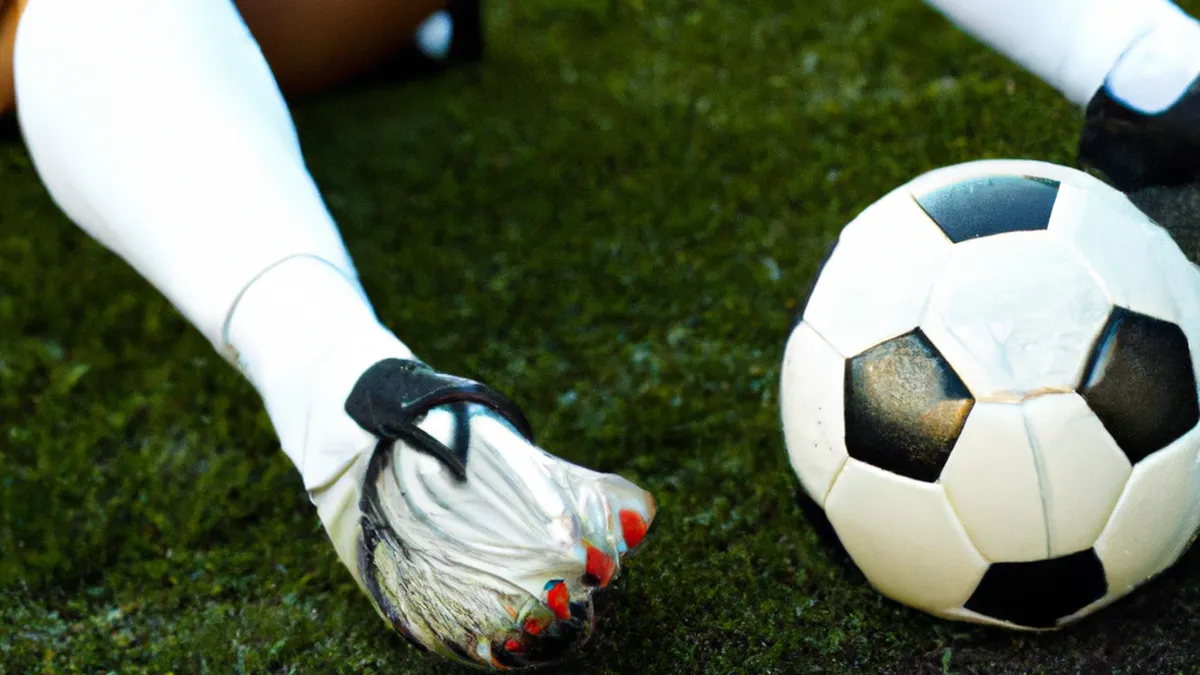
Sidelined: Injuries That Affect Women Differently
Female Injury Risks in SportsSports participation among women has surged in recent decades. This increase occurs at all levels, from amateur leagues to professional competitions. More female athletes promote physical fitness, mental well-being, and empowerment. However, this growth highlights unique injury risks that female athletes face. Understanding these risks helps athletes, coaches, and parents improve safety and performance. This blog post explores common injuries, their causes, preventative measures, and the benefits of staying active.
Common Injuries in Female Athletes
Research shows that female athletes face higher injury risks than male athletes. ACL (anterior cruciate ligament) tears are among the most common injuries. Women can be up to six times more likely to suffer ACL injuries, especially in soccer, basketball, and volleyball. An ACL tear often requires surgery and extensive rehabilitation, sidelining athletes for months.Shin splints, or medial tibial stress syndrome, also frequently affect female athletes. This condition causes pain along the shin bone, often due to overuse, improper footwear, or inadequate training. Women may develop shin splints more often because of differences in bone structure and muscle mass.Stress fractures pose another significant risk. These small bone cracks typically arise from repetitive force during weight-bearing activities like running and jumping. Female athletes may experience stress fractures more frequently due to lower bone density, which inadequate nutrition and hormonal imbalances can worsen.
Why Do Women Face Higher Risks?
Several anatomical and physiological factors contribute to the higher injury rates among female athletes. Women generally have wider hips than men. This difference creates a greater “Q angle,” affecting knee alignment during physical activity. Misalignment increases the risk of knee injuries, especially ACL tears.Hormonal fluctuations also influence injury susceptibility. For example, the menstrual cycle can impact ligament laxity, making women more prone to joint injuries at specific times. Variations in estrogen levels throughout the cycle can affect ligament strength and stability, contributing to injuries.Additionally, women often have lower muscle mass and strength than men, especially in the lower body. This discrepancy results in weaker muscles supporting the joints, increasing injury risks during high-impact activities. Understanding these factors is crucial for developing effective prevention strategies.
Tips for Injury Prevention
Preventing injuries is critical for athletes to maintain long, healthy sporting careers.
Conclusion
As an Amazon Associate I earn from qualifying purchases.
Gear tip: consider soccer cleats, volleyball, and soccer ball to support this topic.
This summary highlights the insights shared about female athletes’ injury risks and prevention strategies.
Below are related products based on this post:
FAQ
What are the common injuries faced by female athletes?
Female athletes commonly suffer from ACL tears, shin splints, and stress fractures. ACL injuries are particularly prevalent in sports like soccer and basketball, while shin splints often result from overuse and improper footwear. Stress fractures occur due to repetitive forces during activities such as running and jumping.
Why do women experience higher injury risks in sports?
Women face higher injury risks due to anatomical and physiological differences, such as wider hips that affect knee alignment. Hormonal fluctuations can also impact ligament laxity, making women more susceptible to joint injuries at certain times in their menstrual cycle. Additionally, lower muscle mass in women can lead to weaker support for joints during physical activity.
What measures can be taken to prevent injuries in female athletes?
Injury prevention is essential for female athletes to ensure longevity in their sports careers. Strategies may include strength training to build muscle support around joints, proper footwear to reduce the risk of shin splints, and awareness of hormonal influences on performance. Implementing these measures can significantly reduce injury risks and enhance overall athletic performance.














Post Comment