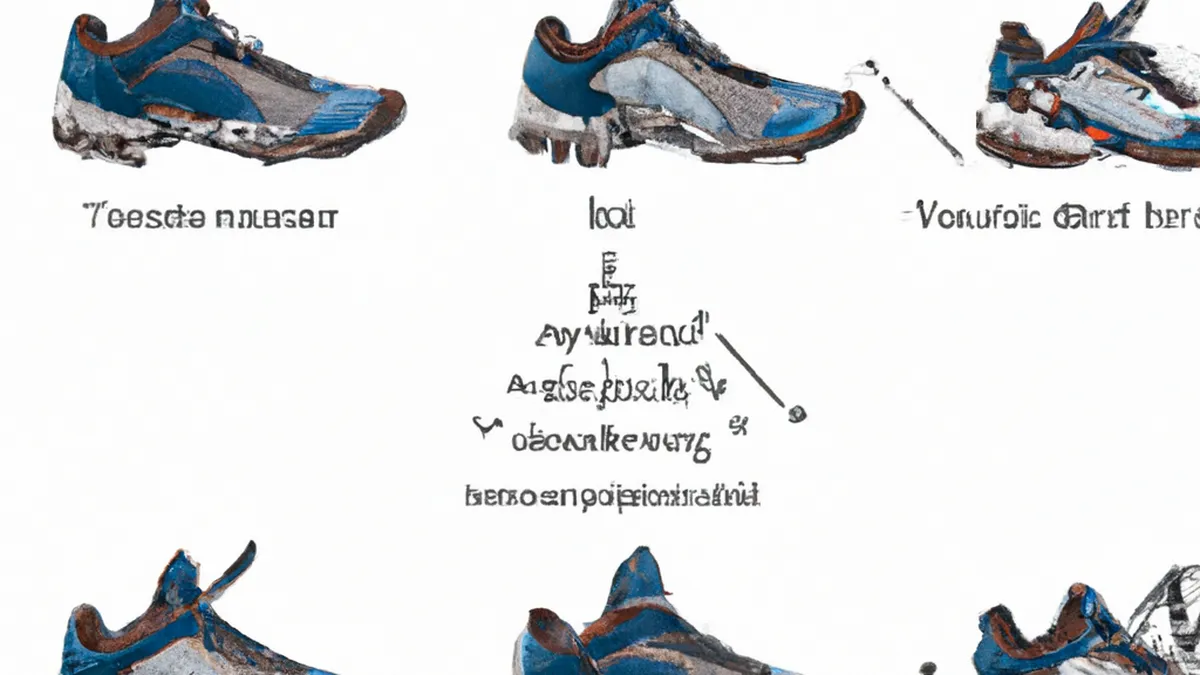
Select Shoes for Loose Gravel Trails
How to Adapt Your Shoe Choice for Different Trail Conditions
Your footwear choice can enhance or ruin your trail experience. The right shoes boost comfort and safety. The wrong shoes may cause blisters or injuries. Every trail has unique challenges, so adapt your shoe choice accordingly. This blog post will help you select the best footwear for various trail conditions.
Understanding Trail Conditions
Trail conditions vary widely. You might face rocky paths, muddy trails, or sandy beaches. Each condition demands a different type of shoe. Understanding these variations ensures your comfort and safety.
Rocky Trails
Rocky trails feature uneven surfaces and sharp stones. These terrains need footwear with excellent grip and protection. Look for shoes with:
– Sturdy soles to absorb shock
– Reinforced toe caps for impact protection
– Deep lugs for traction
A good pair of hiking shoes or trail runners will provide necessary support. They should feel snug yet comfortable, allowing for some movement. Always test them before a long hike.
Muddy Trails
Muddy trails can be challenging. You need shoes that maintain grip in wet conditions. Waterproof shoes are essential here. Additionally, consider:
– Mesh uppers for breathability
– Outsoles with aggressive lugs for stability
– Lightweight materials to avoid dragging
Waterproof boots work best for deep puddles or heavy rain. If the mud is light and the weather warm, trail runners may suffice. Ensure they dry quickly.
Sandy Trails
Sandy trails present unique challenges. Soft sand slows you down. Choose footwear that offers support and flexibility. Opt for shoes that:
– Have a breathable design to keep feet cool
– Feature lightweight construction for easier movement
– Offer good traction to prevent slipping
Trail running shoes often excel in sandy conditions. They provide the flexibility needed to navigate soft terrain without added weight.
Tips for Choosing the Right Shoe
Selecting the right shoe involves more than considering the trail type. Here are some practical tips:
1. **Know Your Foot Type**: Understand if you have flat, neutral, or high-arched feet. Visit a specialty store for fitting.
2. **Consider the Distance**: Prioritize comfort and support for longer hikes. Choose lighter shoes for shorter trails.
3. **Test Before You Hit the Trail**: Try your shoes on and walk around. This helps gauge comfort and fit.
4. **Break Them In**: New shoes may cause blisters. Wear them on shorter hikes before tackling difficult trails.
5. **Check the Weather**: Conditions can change quickly. Prepare for unexpected rain or temperature shifts.
Benefits of the Right Footwear
Choosing the right footwear offers many benefits. Firstly, it enhances comfort, allowing you to enjoy the scenery. Secondly, the right shoes lower the risk of injuries like sprained ankles or blisters. Thirdly, they improve performance on the trail, helping you navigate tricky sections easily. Finally, good footwear boosts your confidence. Comfortable shoes let you focus on your adventure.
Enhancing Your Adventure
Adapting your shoe choice to trail conditions enhances your overall experience. Whether exploring rocky paths or sandy beaches, the right footwear keeps you comfortable and safe. Immerse yourself in nature without worrying about your feet.
Building a Versatile Shoe Collection
Invest in various shoes for versatility. A solid collection adapts to any trail condition. Consider waterproof hiking boots, lightweight trail runners, and sandals for easy walks. This versatility prepares you for any adventure.
Conclusion
Adapting your shoe choice for different trail conditions is essential for an enjoyable outdoor experience. Understand various trail conditions to make informed decisions. Always consider terrain, distance, and weather. Choosing the right footwear enhances comfort and reduces injury risk. Before your next adventure, ensure you select the best shoes for the job. Happy hiking!
Below are related products based on this post:
FAQ
What type of shoes should I wear on rocky trails?
For rocky trails, you should choose footwear with excellent grip and protection. Look for shoes that have sturdy soles to absorb shock, reinforced toe caps for impact protection, and deep lugs for traction. Hiking shoes or trail runners that feel snug yet comfortable are ideal for this terrain.
Are waterproof shoes necessary for muddy trails?
Yes, waterproof shoes are essential for muddy trails, especially in deep puddles or heavy rain. They help maintain grip in wet conditions. Additionally, consider shoes with mesh uppers for breathability, aggressive lugs for stability, and lightweight materials to prevent dragging.
What should I consider when choosing shoes for sandy trails?
When selecting shoes for sandy trails, opt for footwear that offers support and flexibility. Look for breathable designs to keep your feet cool, lightweight construction for easier movement, and good traction to prevent slipping. Trail running shoes often perform well in these conditions.














Post Comment