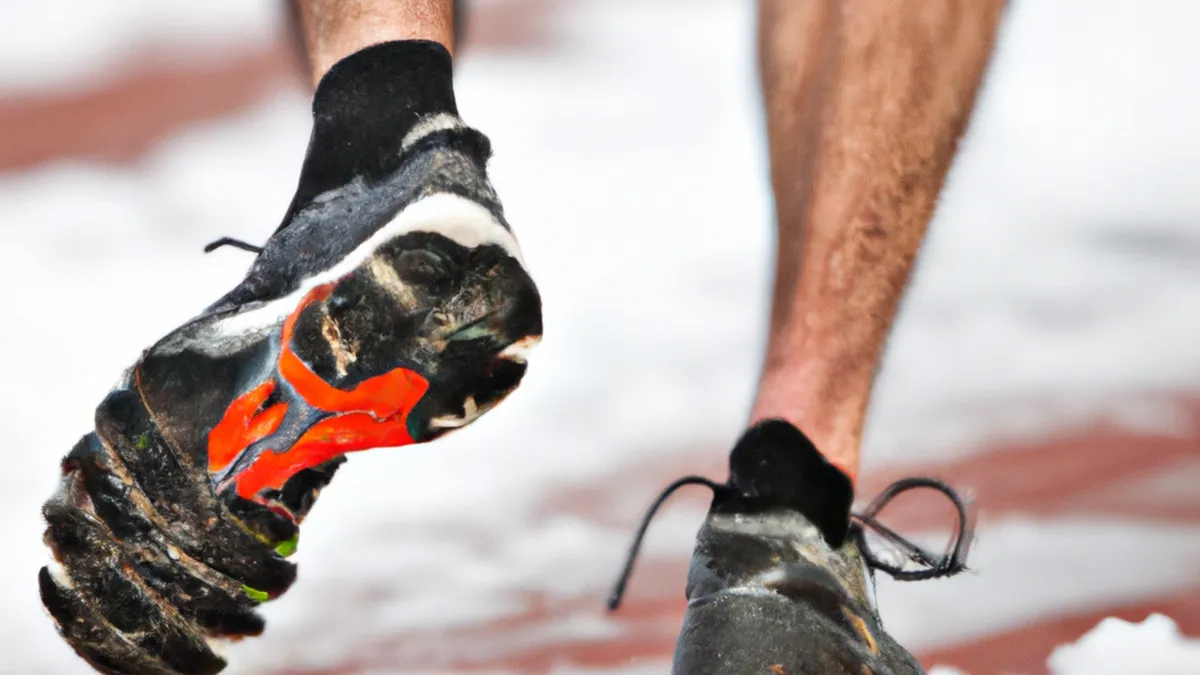
Secure Footing: Running on Frosty Ground
Optimal Foot Strike on Icy RoadsIcy roads pose dangers. Slipping can cause injuries. Master your foot strike to stay safe. This post offers tips for navigating icy surfaces.
Understanding Foot Strike
Foot strike describes how your foot contacts the ground. A proper foot strike ensures balance and stability. Common types include heel strike, midfoot strike, and forefoot strike. Each type has its pros and cons.
Heel Strike
Heel striking means landing on your heel first. This method can stabilize your walk. However, it may cause slips on ice. If you heel strike, land gently to distribute your weight evenly.
Midfoot and Forefoot Strikes
Midfoot striking involves landing on the middle of your foot. This technique improves balance and quick adjustments. Forefoot striking means landing on the balls of your feet. While agile, it may lack stability on ice.
Tips for Optimal Foot Strike
As an Amazon Associate I earn from qualifying purchases.
Gear tip: consider running shoes, gps running watch, and heart rate strap to support this topic.
Use these tips to navigate icy roads safely:
1. Shorten Your Stride
Long strides risk losing balance. Shortening your stride improves control. Take smaller steps to maintain stability on slippery ground.
2. Keep Your Center of Gravity Low
Bend your knees slightly to lower your center of gravity. This position improves balance and reduces fall risk. Maintain a relaxed posture while walking.
3. Use Caution with Your Heel
Be careful with your heel strike on ice. Land softly instead of heavily. This technique lowers your chance of slipping. Aim to land your foot beneath your body for better balance.
4. Pay Attention to Your Surroundings
Stay aware of your environment. Identify slick areas and avoid icy patches. Adjust your path if you see ice. Keep your eyes on the ground for safe navigation.
Advice for Enhancing Foot Strike
Consider these additional tips to improve your foot strike:
1. Wear Appropriate Footwear
Choose shoes with good traction. Rubber soles grip icy surfaces better. Consider using ice cleats for added stability.
2. Practice Walking Techniques
Practice walking on various surfaces. Find safe areas to walk on slippery ground. Experiment with different foot strikes to see what works for you.
3. Strengthen Your Legs and Core
Strong legs and a stable core boost balance. Include strength training in your routine. Focus on exercises targeting your legs, hips, and core.
Benefits of Optimal Foot Strike
An optimal foot strike provides many benefits:
Improved Stability
A proper foot strike increases stability on icy roads. This stability lowers your slip and fall risk. Walk confidently in winter conditions.
Increased Confidence
Mastering your foot strike builds confidence. You’ll feel secure walking on icy paths. This confidence encourages outdoor activities in winter.
Reduced Risk of Injury
An optimal foot strike reduces injury risk. Maintaining balance protects you from slips. This protection is crucial for older adults and those with mobility issues.
Conclusion
Navigating icy roads can be difficult. Master your foot strike to improve safety. Use techniques like shortening your stride and lowering your center of gravity. Practice walking techniques and strengthen your legs and core. With these tips, you can enjoy winter walks while avoiding slips and falls.
Below are related products based on this post:
FAQ
What is foot strike?
Foot strike refers to how your foot makes contact with the ground while walking or running. Understanding the different types of foot strikes, such as heel strike, midfoot strike, and forefoot strike, can help improve your balance and stability, especially on slippery surfaces like ice.
How can I improve my stability on icy roads?
To enhance stability on icy roads, shorten your stride and keep your center of gravity low by bending your knees slightly. Additionally, be cautious with your heel strike, landing softly to reduce the risk of slipping, and stay aware of your surroundings to avoid icy patches.
What footwear should I wear for icy conditions?
It is essential to wear shoes with good traction, such as those with rubber soles, which provide better grip on icy surfaces. For added stability, consider using ice cleats to enhance your safety when walking on slippery ground.














Post Comment