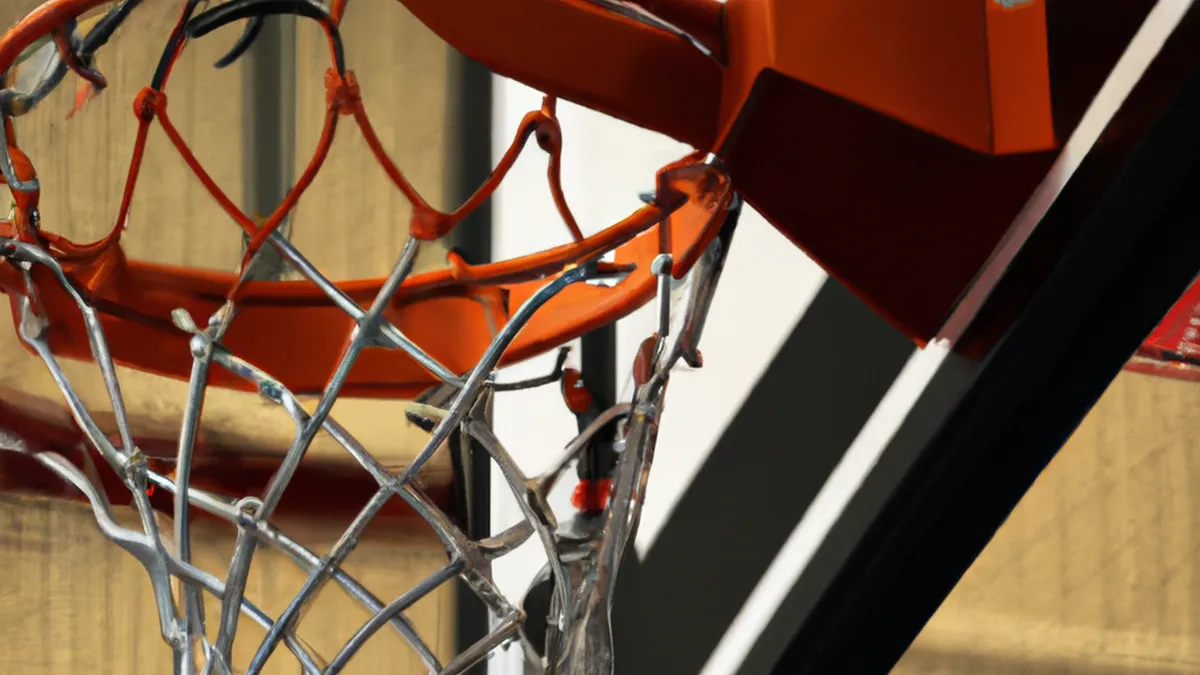
Safety Protocols Every Youth Coach Needs
Safety Measures for Youth SquadsYouth sports offer young athletes great opportunities. They learn teamwork, discipline, and fitness, which aid their overall development. However, prioritizing safety is crucial. Implementing safety measures protects players from injuries and encourages positive growth. Here are essential tips to keep youth squads safe.
Understanding the Risks
Youth athletes encounter various risks during practices and games. Understanding these risks helps prevent injuries. Common injuries include sprains, strains, fractures, and concussions. Coaches, parents, and players must educate themselves about these injuries and their causes.In contact sports like football and hockey, head injuries, including concussions, pose significant risks. Sports with jumping or quick changes, like basketball or gymnastics, often lead to ankle sprains or knee injuries. Tailored safety strategies for each sport are crucial.
Creating a Safe Environment
As an Amazon Associate I earn from qualifying purchases.
Gear tip: consider compression socks, football, and compression sleeves to support this topic.
Creating a safe environment safeguards youth athletes. Inspect the playing area before practices or games. Look for hazards like uneven ground, debris, or broken equipment that could cause injuries. Ensure the playing surface suits the sport to minimize risks.Make sure all players wear appropriate gear. Helmets, pads, mouthguards, and proper footwear prevent many injuries. For example, using certified helmets in football reduces the risk of head injuries. Encourage players to check their gear regularly for wear and tear.Coaches must enforce safety rules during play. For example, prohibiting tackles from behind in football minimizes head injury risks. Establishing rules against horseplay during practice also helps prevent injuries. Creating a clear code of conduct promotes respect and reduces altercations.
Educating Coaches and Parents
Education plays a vital role in youth squad safety. Coaches should receive first aid and CPR training. This knowledge helps them respond quickly during emergencies. Having a certified first-aider present during practices and games is invaluable.Parents must also understand safety protocols. Hold meetings at the season’s start to discuss injury prevention strategies. Encourage parents to communicate openly with coaches about their child’s health and concerns.Keeping communication lines open fosters a supportive environment. Parents and coaches should collaborate to ensure each player’s safety. Involved parents are more likely to support initiatives that enhance player safety.
Monitoring Health and Fitness
Monitoring youth athletes’ health and fitness is essential for injury prevention.
Conclusion
Implementing safety measures ensures youth athletes can enjoy their sports while minimizing risks and injuries.
Below are related products based on this post:
FAQ
What are the common risks associated with youth sports?
Youth athletes face various risks during practices and games, including sprains, strains, fractures, and concussions. Understanding these risks is vital for preventing injuries and ensuring a safe sporting experience for young players.
How can a safe environment be created for youth athletes?
A safe environment can be established by inspecting the playing area for hazards and ensuring it is suitable for the sport. Additionally, requiring players to wear appropriate protective gear and enforcing safety rules during play are essential steps in minimizing injury risks.
Why is education important for coaches and parents in youth sports?
Education is crucial as it equips coaches with essential skills like first aid and CPR, enabling them to respond effectively to emergencies. Similarly, informing parents about safety protocols fosters communication and collaboration, enhancing the overall safety of youth athletes.












Post Comment