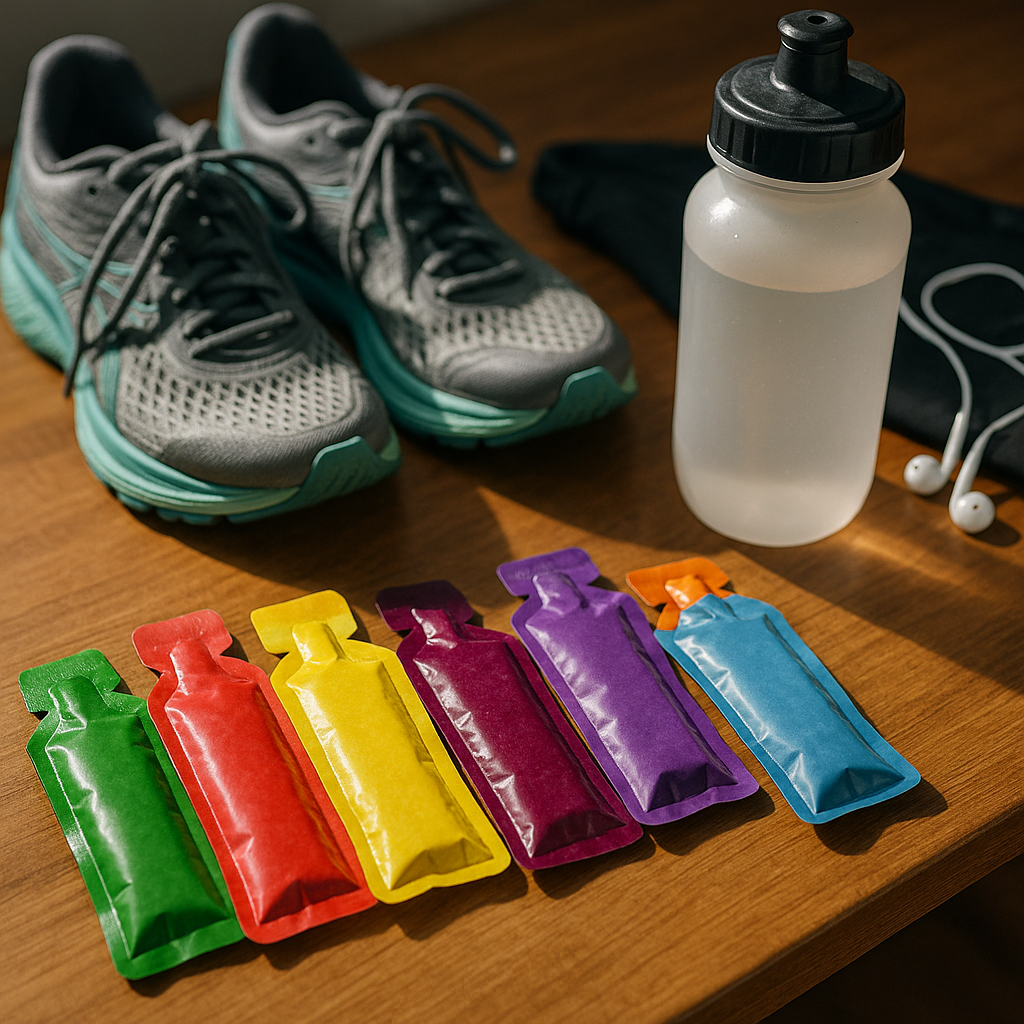
6 Runner-Favorite Energy Gels: What to Pack, When to Take Them, and How to Avoid GI Issues
Quick Summary
- There’s no one-size-fits-all gel: choose by carbohydrate density per serving, caffeine content, texture (thin/isotonic vs. thick), and ingredient preferences.
- Always test gels in training—practice timing, pairing with water, and using caffeinated gels—before race day.
- We highlight six runner-favorite gels that cover isotonic, hydrogel, natural, caffeinated, vegan, and low-sweetness options so you can match a gel to your needs.
- Use a simple fueling plan: start early (30–45 minutes in), take at regular intervals, and stomach-train on long runs to reduce GI risk.
Intro
Energy gels are a compact source of concentrated carbohydrates (and often caffeine and electrolytes) designed to keep momentum during everything from long tempo runs to marathons and ultras. The right gel for you depends on how your stomach tolerates concentrated carbs, whether you want a caffeine kick, and whether you prefer natural ingredients. This article explains how to choose gels, how to use them in training and on race day, and the six gels many runners rely on for different needs.
How to pick the right gel
When comparing gels, evaluate these attributes and match them to your plan and preferences:
- Carbohydrate content — Most servings fall in a general range; align servings with your carbs-per-hour target.
- Electrolytes — Helpful in hot conditions or long efforts to replace sodium and support fluid balance.
- Caffeine — Useful late in a race to reduce perceived effort; test tolerance in training.
- Texture — Thinner/isotonic gels often need no water and feel easier on the go; thicker gels may soothe the stomach but usually pair better with fluid.
- Ingredients — Natural (honey-based), vegan, artificial sweeteners, and allergen considerations matter for many runners.
- Packaging — Easy-open sachets, clear dosing, and portable size affect convenience and waste during races.
The six runner-approved gels (what they’re best for)
1) GU Energy Gel — The reliable classic
Why runners use it: A longstanding staple with consistent carbohydrate delivery and many flavor and caffeine options.
Best for: General training and race-day fueling when you want a predictable, widely available option.
Tip: Try caffeinated variants on long runs to simulate race-day effects.
2) Clif Shot Gel — Natural-sweetener option with bold flavors
Why runners use it: Uses more natural sweeteners and offers tart, distinctive flavors that some runners prefer over very sweet gels.
Best for: Training miles and ultras where flavor fatigue can be an issue.
3) Science in Sport (SiS) GO Isotonic Gel — No water needed
Why runners use it: Formulated to be isotonic so you can take it without extra water—useful when minimizing bottle stops matters.
Best for: Fast efforts, tempo runs, track workouts, and races where managing bottles is inconvenient.
Tip: Practice swallowing isotonic gels on the move before race day.
4) Maurten Gel (Hydrogel) — Gentle on the stomach
Why runners use it: Hydrogel technology can help move concentrated carbs through the stomach more comfortably for some athletes.
Best for: Runners who have experienced GI distress with conventional gels or who need a concentrated carb boost during long races.
5) Honey Stinger Organic Energy Gel — Natural honey base
Why runners use it: Built on organic honey for a simple ingredient profile and familiar, soothing sweetness.
Best for: Runners who prefer natural ingredients and a slightly thicker texture that can feel comforting to the stomach.
6) Skratch Labs Energy Gel — Lower sweetness, real-food focus
Why runners use it: Emphasizes real-food-derived ingredients and moderate sweetness, often easier on the stomach during extended efforts.
Best for: Long runs, marathons, and ultras where consistent GI comfort is a priority.
Fueling strategy: when and how to take gels
- Set a carb-per-hour target: A common guideline is 30–60 g/hour for steady efforts; trained athletes using multiple transportable carbs may reach higher intakes. Convert that target into number of gels based on the product you use.
- Start early: Take your first gel about 30–45 minutes into efforts longer than an hour to prevent energy dips.
- Take at regular intervals: Most plans use a gel every 30–45 minutes; adjust for gel carb content and your personal needs.
- Pair with water as needed: Thicker gels usually benefit from a few sips to speed absorption and reduce GI upset. Isotonic gels are formulated to be taken without water—test in training.
- Use caffeine strategically: If you include caffeinated gels, practice timing during long runs to determine when the performance and alertness benefits outweigh side effects.
- Stomach-train: Practicing your full fueling and hydration plan on long runs helps your gut adapt and reduces the chance of cramps or nausea on race day.
Practical race-day checklist
- Planned number of gels (plus one extra)
- Water bottle or hydration pack (unless you’re confident using isotonic gels dry)
- Small waste bag for empty gel packets
- Electrolyte tablets or drink mix for very long races or hot conditions
- Fueling schedule (e.g., first gel at 35 minutes, then every 30–40 minutes)
Common mistakes and quick dos/don’ts
- Don’t trust a new gel on race day: Unfamiliar flavors or formulas increase GI risk.
- Don’t skip practicing with water: Assuming all gels are fine without fluid invites trouble.
- Don’t overuse caffeine: Test tolerance—too much can cause jitters, sleep disturbance, or GI upset.
- Do stomach-train: Your gut adapts when you practice fueling regularly on long runs.
- Do bring a second flavor or fuel option: Taste fatigue happens—carry an alternative for long events.
Extra considerations
If you travel across time zones for a race, sleep and circadian timing can affect appetite and digestion; consider circadian reset tips to manage jet lag and support race readiness (circadian reset tips).
Women in midlife may notice changing energy and digestive patterns around menopause that influence fueling choices; resources on menopause and brain health can help inform training and nutrition decisions.
For related training guidance and recovery strategies, see the Complete Strength Training Guide and our Endurance & Running Training Hub.
Conclusion
There’s a gel to suit most runners: isotonic options for no-water convenience, hydrogel and natural options for sensitive stomachs, and caffeinated varieties for a late-race lift. The most important rules are to match a gel’s characteristics to your needs, test everything in training, and follow a simple fueling plan so you aren’t surprised on race day.
FAQ
Q1: How often should I take an energy gel during a marathon?
A: A practical approach is to take a gel every 30–45 minutes, beginning about 30–45 minutes into the race. Adjust based on the gel’s carbohydrate dose and your carb-per-hour target; confirm the timing on long training runs.
Q2: Can I take gels without water?
A: Only isotonic gels are designed to be taken without extra fluid. Most thicker gels are absorbed better with a few sips of water—practice in training to learn which products you can comfortably take dry.
Q3: When should I use caffeinated gels?
A: Use them selectively—many runners take caffeinated gels in the later stages of long races to reduce perceived effort and increase alertness. Test caffeine timing and dose during training to avoid unwanted side effects.
Q4: What if gels upset my stomach?
A: Stop using the problematic product and try alternatives (hydrogel, natural-honey based, or lower-sweetness options). Check your hydration, timing, and total carbs per hour—your gut may need gradual training. If GI issues persist, consult a sports dietitian or medical professional.
Q5: How many gels should I pack for an ultra or 50K?
A: Estimate your hourly carb needs (e.g., 30–60 g/hr) and multiply by expected race hours. Factor in aid-station availability and pack at least one extra gel for unexpected delays or harsh conditions. Practice this plan on long training runs to refine quantities.
Part of the Complete Strength Training Guide
Explore more: Endurance & Running Training Hub












3 comments