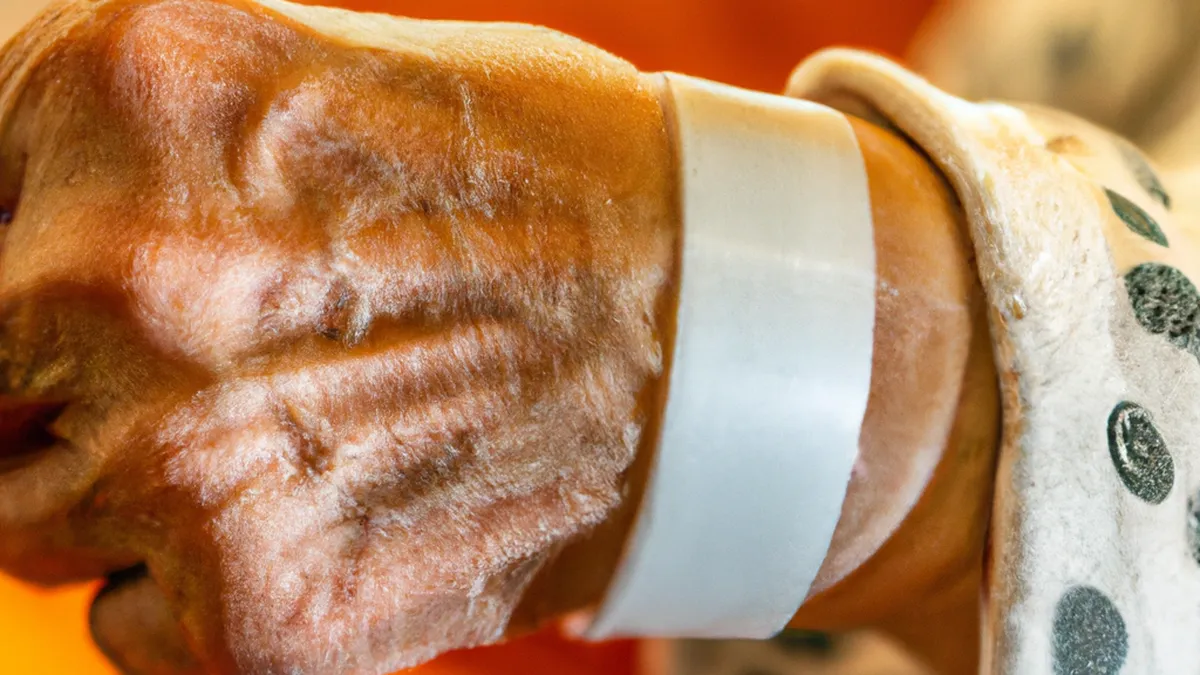
RICE Method: Your Injury Survival Guide
Understanding the RICE Method for Acute InjuriesAcute injuries can happen anytime. Playing sports, exercising, or walking can lead to sprains, strains, or other injuries. Knowing how to respond is crucial. The RICE method helps reduce swelling, alleviate pain, and speed recovery.This blog post explores the RICE method in detail. We will explain RICE, provide practical tips, discuss benefits, and answer common questions. Let’s dive in!
What Does RICE Mean?
RICE stands for Rest, Ice, Compression, and Elevation. Each element effectively manages acute injuries.
Rest
Rest the injured area for recovery. Your body needs time to heal, and activity can worsen the damage. Resting prevents further injury and reduces strain. Avoid weight-bearing activities or use support devices like crutches or braces. Listen to your body; pain indicates you need rest. Depending on the injury’s severity, rest may take days or weeks.
Ice
Applying ice effectively reduces swelling and numbs pain. Ice constricts blood vessels, decreasing blood flow and minimizing swelling. Apply ice for 15-20 minutes every hour during the first 48 hours post-injury. Wrap ice in a cloth or towel to avoid frostbite. Ice packs, frozen peas, or gel packs work well.
Compression
Compression involves wrapping the injured area with an elastic bandage or wrap. This technique reduces swelling and provides support. Ensure the bandage is snug but not too tight. Avoid numbness, tingling, or increased pain. If you experience these symptoms, loosen the bandage. Compression stabilizes the injury, allowing easier movement.
Elevation
Elevation minimizes swelling by raising the injured limb above heart level. This encourages fluid drainage from the injury site. Use pillows or cushions for support. Elevating the injured area for several hours daily enhances recovery, especially in the initial phase after the injury.
Tips for Implementing the RICE Method
As an Amazon Associate I earn from qualifying purchases.
Gear tip: consider breathing exerciser, compression sleeves, and compression socks to support this topic.
To maximize the RICE method’s effectiveness, keep these tips in mind:
Act Quickly
The sooner you start RICE, the better.
Conclusion
In summary, the RICE method offers effective strategies for managing acute injuries.
Below are related products based on this post:
FAQ
What does RICE stand for?
RICE stands for Rest, Ice, Compression, and Elevation. Each component plays a crucial role in managing acute injuries effectively.
How should I apply ice to an injury?
Apply ice for 15-20 minutes every hour during the first 48 hours after the injury. It is important to wrap the ice in a cloth or towel to prevent frostbite.
Why is rest important for injury recovery?
Rest is vital as it allows the body time to heal and prevents further damage. Engaging in activity can worsen the injury, so it’s essential to avoid weight-bearing activities during recovery.













Post Comment