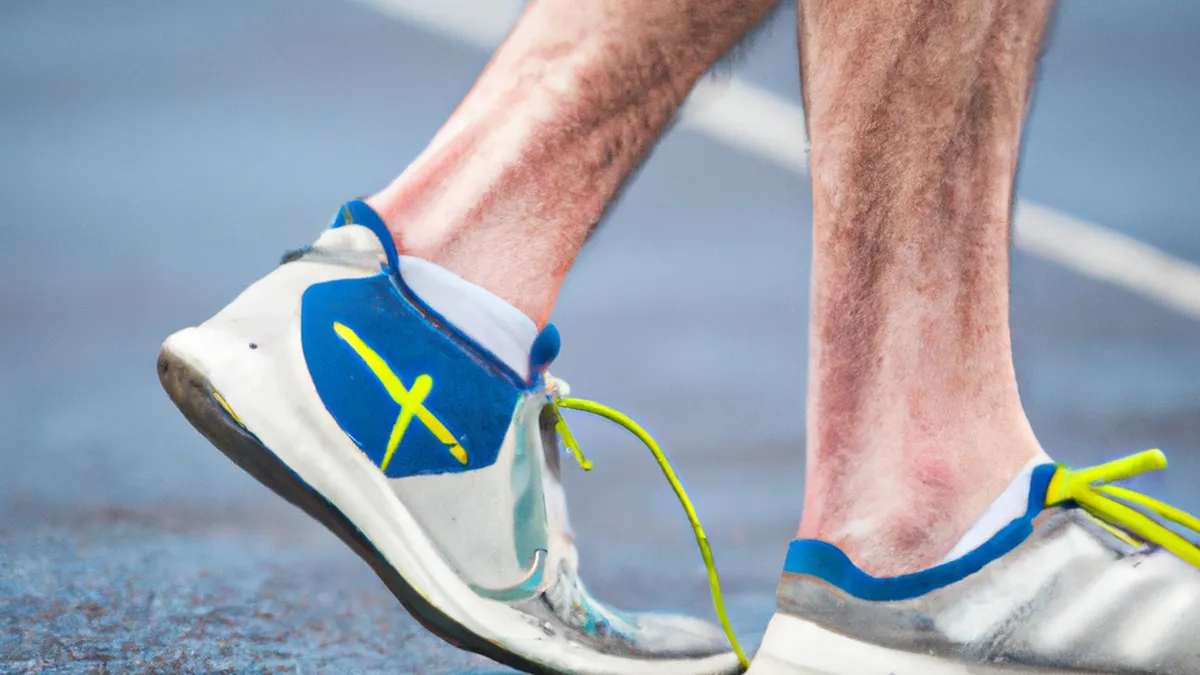
Revisit Mobility Exercises for Ankle Recovery
Recovery Protocols for Sprained AnklesSprained ankles commonly occur in sports and physical activities. They arise from jumping, running, or quickly changing direction. Understanding recovery methods minimizes downtime and helps you return to your routine. This post outlines effective recovery protocols for healing.
Understanding a Sprained Ankle
A sprained ankle results from stretching or tearing ligaments that connect bones at the ankle joint. Sudden movements or missteps often cause this injury. Ligaments stabilize joints, so overstretching can lead to varying injury levels.
Severity of Sprains
Medical professionals categorize sprains into three grades based on severity:- **Grade I (Mild)**: Minor stretching or microscopic tearing of the ligament. Symptoms include slight swelling, tenderness, and minimal function loss.- **Grade II (Moderate)**: Partial ligament tear. Symptoms may include moderate swelling, bruising, pain, and some difficulty walking.- **Grade III (Severe)**: Complete ligament tear. Symptoms often include significant swelling, intense pain, joint instability, and difficulty bearing weight.Recognizing your injury’s severity is essential. Seek immediate medical attention for suspected severe sprains (Grade III).
Immediate Recovery Steps
As an Amazon Associate I earn from qualifying purchases.
Gear tip: consider gps running watch, heart rate strap, and compression sleeves to support this topic.
Acting quickly after an ankle sprain promotes effective recovery. The R.I.C.E. method includes four key components:
Rest
Rest the injured ankle. Avoid putting weight on it for the first few days to prevent further damage. Use crutches for mobility. This rest period allows ligaments to heal without strain.
Ice
Apply ice to the sprained ankle to reduce swelling and numb pain. Wrap ice or a cold pack in a cloth and apply for 15-20 minutes every hour, especially during the first 48 hours. Avoid ice contact with the skin to prevent frostbite.
Compression
Use an elastic bandage or compression wrap to control swelling and provide stability. Ensure the wrap fits snugly but not too tight to maintain circulation. Monitor your foot for signs of increased swelling or numbness.
Elevation
Elevate the ankle above heart level to reduce swelling. Prop it up with pillows while resting or sleeping. This position helps fluids drain from the injury site, promoting faster healing.
Rehabilitation Exercises
After initial swelling subsides, start rehabilitation exercises to restore strength, flexibility, and mobility. Consult a healthcare professional before starting exercises.
Conclusion
In summary, understanding sprained ankles and following recovery protocols aids healing and facilitates a return to activity.
Below are related products based on this post:
FAQ
What causes a sprained ankle?
A sprained ankle typically occurs due to stretching or tearing of the ligaments that connect bones at the ankle joint. This injury often results from sudden movements, jumping, running, or quickly changing direction during physical activities.
How can I treat a sprained ankle at home?
The R.I.C.E. method is an effective home treatment for a sprained ankle. This includes resting the ankle, applying ice to reduce swelling, using compression wraps for stability, and elevating the ankle to help with fluid drainage.
When should I seek medical attention for a sprained ankle?
It is essential to seek immediate medical attention for suspected severe sprains, classified as Grade III. Symptoms of a severe sprain include significant swelling, intense pain, joint instability, and difficulty bearing weight on the affected ankle.
Part of the Complete Strength Training Guide
Explore more: Endurance & Running Training Hub














Post Comment