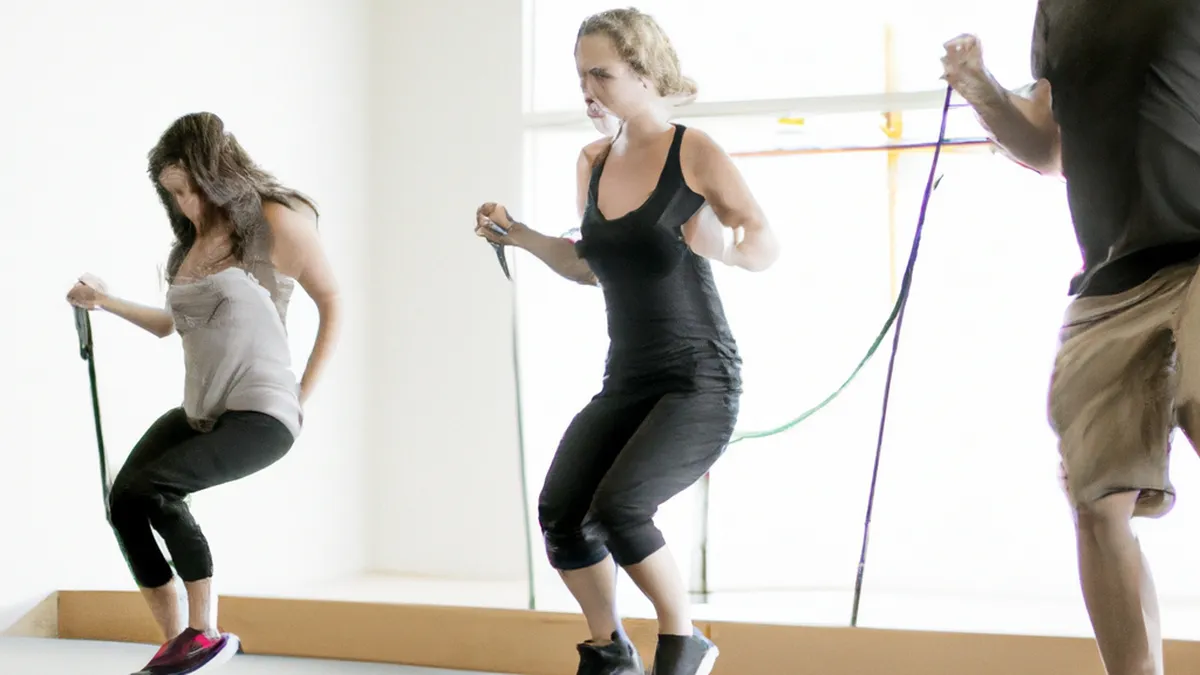
Revamp Your Fitness with Circuit Training
Circuit Training with Low-Impact FocusCircuit training combines strength and cardio exercises effectively. Many associate “circuit training” with high-impact workouts. However, low-impact options also provide significant benefits without straining joints. This blog post explores low-impact circuit training, offering tips and benefits to help you get started.
What is Low-Impact Circuit Training?
Low-impact circuit training involves a series of exercises performed in succession with minimal joint stress. You can mix various movements to create a balanced routine. This training suits everyone, from beginners to experienced athletes. It improves endurance, strength, and flexibility while minimizing injury risk.
Key Components of Low-Impact Circuit Training
1. **Warm-Up**: Start with a warm-up. Prepare your body for exercise and reduce injury risk. Simple movements like marching or dynamic stretches work well.2. **Circuit Exercises**: Choose low-impact exercises. Bodyweight movements, resistance bands, and light weights are excellent choices. Consider squats, push-ups, or seated rows.3. **Rest Periods**: Keep rest periods short. Aim for 30 seconds to one minute between exercises. This keeps your heart rate elevated while allowing recovery.
Sample Low-Impact Circuit Routine
Try this simple circuit to begin. Perform each exercise for 30 seconds, followed by a 30-second rest. Repeat the circuit two to three times.1. **Bodyweight Squats**: Stand with feet shoulder-width apart. Lower into a squat, keeping weight in your heels. Rise back up.2. **Knee Push-Ups**: Position yourself on your knees. Keep hands shoulder-width apart. Lower chest towards the floor, then push back up.3. **Seated Leg Lifts**: Sit on a chair with your back straight. Extend one leg in front of you. Hold briefly, then lower it.4. **Standing Calf Raises**: Stand with feet hip-width apart. Raise your heels off the ground, balancing on your toes. Lower back down slowly.5. **Wall Sits**: Lean against a wall with your back. Slide down until knees reach a 90-degree angle. Hold as long as possible.
Tips for Successful Low-Impact Circuit Training
As an Amazon Associate I earn from qualifying purchases.
Gear tip: consider stretching strap, gps running watch, and heart rate strap to support this topic.
Maximize your low-impact circuit training with these tips:1. **Listen to Your Body**: Pay attention to how you feel. Modify or skip any exercise causing pain.2. **Focus on Form**: Prioritize quality over quantity. Proper form prevents injuries and maximizes movement benefits.3. **Stay Hydrated**: Drink water before, during, and after your workout. Hydration maintains energy levels and supports recovery.4. **Incorporate Variety**: Mix different exercises to avoid boredom. Change your routine every few weeks to stay fresh and challenged.
Advice for Beginners
If you’re new to circuit training, start slowly. Select a few exercises and master them before adding more. Gradually increase duration and intensity as you gain confidence. Consider working with a trainer or taking a class for proper technique.
Benefits of Low-Impact Circuit Training
Low-impact circuit training offers numerous benefits for overall fitness.1. **Joint-Friendly**: It reduces injury risk, making it ideal for those with joint issues or arthritis. You can work out effectively without harsh impacts.2. **Improves Endurance**: This method boosts cardiovascular endurance. Build stamina while keeping your heart rate elevated.3. **Strengthens Muscles**: Low-impact exercises target various muscle groups. Build lean muscle mass and improve metabolism.4. **Convenient and Flexible**: Perform low-impact circuit training anywhere. Whether at home, in a gym, or outdoors, you have options.5. **Mental Health Benefits**: Regular exercise releases endorphins, improving mood and reducing stress. Low-impact workouts can uplift just like high-impact workouts.
Conclusion
Circuit training with a low-impact focus provides an excellent way to stay fit without risking injury. With the right exercises and approach, you can achieve your fitness goals while protecting your joints. Remember to listen to your body, stay hydrated, and focus on form. By following these tips and incorporating variety, you can enjoy the many benefits of low-impact circuit training. Start today to discover how effective and enjoyable this workout method can be!
Below are related products based on this post:
FAQ
What is low-impact circuit training?
Low-impact circuit training involves a series of exercises performed in succession with minimal stress on the joints. It is suitable for everyone, from beginners to experienced athletes, and helps improve endurance, strength, and flexibility while minimizing the risk of injury.
What are some key components of low-impact circuit training?
Key components include a warm-up to prepare your body, a selection of low-impact exercises such as bodyweight movements and resistance bands, and short rest periods to keep your heart rate elevated. This structure ensures an effective workout while reducing the chance of injury.
What are the benefits of low-impact circuit training?
Low-impact circuit training is joint-friendly, making it ideal for individuals with joint issues or arthritis. It improves cardiovascular endurance, strengthens muscles, and offers mental health benefits by releasing endorphins that enhance mood and reduce stress.














Post Comment