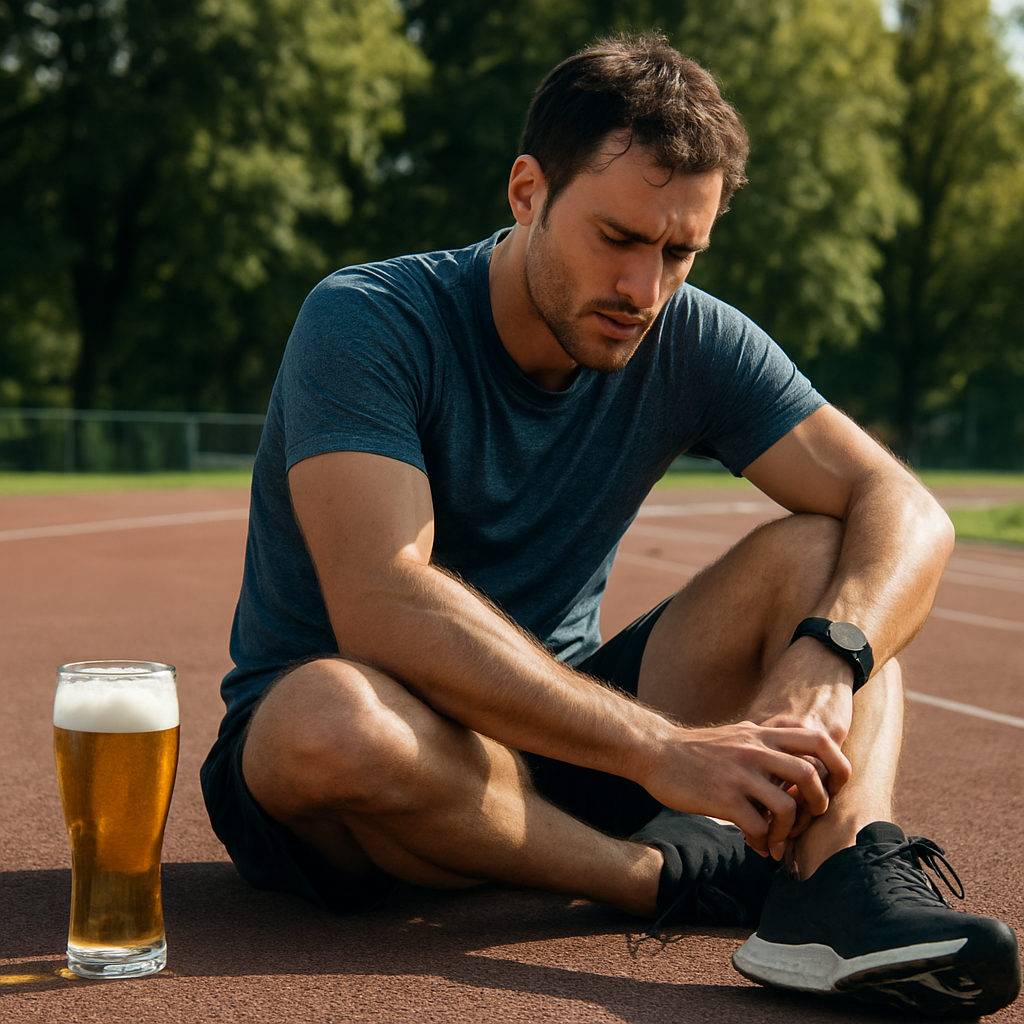
Rethinking Booze and Running: How Alcohol Affects Training, Recovery, and Health
Quick Summary
- Alcohol disrupts recovery processes—sleep, muscle repair, hydration—and can blunt training adaptations.
- Even moderate drinking has measurable effects on performance and long-term health; patterns like binge drinking are especially harmful.
- Timing matters: drinking immediately after hard sessions is worse for muscle repair than waiting and prioritizing nutrition and rehydration.
- Simple behavioral changes—tracking intake, substituting nonalcoholic drinks, improving sleep and nutrition—can preserve fitness gains without giving up social life.
Introduction
Many runners and recreational athletes view alcohol as part of social life, a way to relax after a long run, or a deserved treat after a hard race. But a growing body of research suggests alcohol can interfere with the very adaptations we train for: improved endurance, faster recovery, and better overall health. This article unpacks how alcohol affects running performance and recovery, offers practical steps to reduce its impact, and gives a checklist you can use right away.
How Alcohol Impacts Training and Recovery
1. Muscle repair and growth
After training, your body initiates muscle protein synthesis to repair microtears and adapt to load. Alcohol can blunt this process, reducing the rate at which muscle rebuilds. Over weeks and months, repeated interference with recovery can lead to slower strength gains and reduced power—important for hill work, strides, and sprint finishes.
2. Sleep quality and hormonal effects
Alcohol may help you fall asleep faster but fragments sleep later in the night, reducing deep and REM sleep stages that are crucial for recovery and learning. It can also disrupt hormones—lowering testosterone and increasing cortisol acutely—which negatively affects repair, energy, and mood.
3. Hydration and glycogen replenishment
Alcohol is a diuretic and can worsen dehydration after workouts, particularly long runs in heat. It may also interfere with how effectively your body refills glycogen—the carbohydrate stores you’ll use in your next hard session—especially when alcohol replaces carbohydrate and protein intake after exercise.
4. Metabolism, performance, and long-term health
Regular alcohol use can impact body composition, increase inflammation, and raise cardiovascular risk in a dose-dependent manner. From a performance lens, drinking can reduce aerobic capacity and impair coordination and judgment—factors that matter for tempo runs, technical trails, and race pacing.
Who is Most at Risk?
Not all drinking patterns carry the same risk. Occasional moderate consumption likely has less impact than frequent heavy drinking or regular post-workout drinks. Younger athletes, competitive runners with tight training schedules, and those aiming to improve race performance are more likely to notice the negative effects. Athletes with health conditions or on medications should consult their clinician about alcohol use.
Practical Steps to Reduce Alcohol’s Impact
These strategies keep social life intact while protecting your training:
- Avoid alcohol for 24 hours after very hard sessions, long runs, or races to prioritize glycogen restoration and muscle protein synthesis.
- When you do drink, choose lower-alcohol options, avoid bingeing, and alternate alcoholic drinks with water or electrolyte beverages to reduce dehydration.
- Focus on post-run nutrition first: a protein-carb snack or meal, then decide about alcohol later.
- Set weekly limits and track intake so one night doesn’t turn into several; apps or a simple log can help.
- Try alcohol-free alternatives for social occasions—nonalcoholic beers, mocktails, sparkling water with fruit—so you can participate without compromising recovery.
- If you’re chasing specific performance goals (e.g., raising VO2 max or breaking a plateau), consider temporary abstinence during concentrated training blocks. See our guide to improving VO2 max for related training tips: Improve VO2 Max Guide.
Checklist: A Runner’s Alcohol Game Plan
- Plan: Identify heavy training days and block 24–48 hours without alcohol afterward.
- Track: Log weekly drinks and note how they affect sleep and next-day training.
- Hydrate: Drink a full glass of water between alcoholic drinks and rehydrate fully after runs.
- Prioritize food: Consume a balanced post-run meal with protein and carbs before any alcohol.
- Swap: Keep a few nonalcoholic options ready for social events.
- Assess: Re-evaluate after 4–8 weeks—do you feel better, sleep better, or run faster?
Common Mistakes
- Assuming one drink won’t matter: Small amounts can still affect sleep or protein synthesis when repeated over time.
- Drinking immediately after a hard session: This is the worst time if your goal is recovery and adaptation.
- Using alcohol as a reward for training: Rewards are fine, but routine post-run drinking can become an unintended barrier to progress.
- Neglecting hydration and nutrition: Alcohol compounds the effects of poor post-run refueling.
- Ignoring patterns: Not tracking volume or frequency makes it hard to see cumulative effects on performance and health.
When to Consider More Significant Changes
If you notice recurring poor recovery, rising resting heart rate, a plateau in performance, worsening sleep, or weight/fat gains despite consistent training, it may be time to cut back more aggressively or try an alcohol-free training block. Competitive athletes preparing for events often find short-term abstinence offers quick, measurable gains. For guidance tailored to your health, talk to a coach, registered dietitian, or medical provider.
Tools and Resources
Small changes in training and lifestyle can compound. If you’re trying to break a running plateau, combining reduced alcohol intake with structured workouts can be effective—see running plateau strategies here: Break a Plateau and Run Faster. If you train indoors, equipment choices and consistency matter; a good treadmill can help maintain conditioning when weather or schedule interferes: Top Treadmills 2026.
Conclusion
Alcohol is woven into many social and cultural routines, and moderate use isn’t an automatic cause for alarm. But for runners and athletes aiming to improve performance and recovery, it’s worth being intentional. Timing, amount, and pattern of drinking all influence how much alcohol affects your fitness. Simple strategies—avoiding alcohol after heavy sessions, prioritizing nutrition and hydration, tracking intake, and choosing lower-risk alternatives—let you keep social enjoyment while protecting your training gains. If you’re unsure how alcohol fits into your personal plan, speak with a healthcare provider or a sports nutrition professional for individualized advice.
FAQ
Q1: Will one beer after a short easy run hurt my training?
A1: A single drink after an easy run is unlikely to derail training for most recreational runners. The bigger issue is frequency and timing—repeated post-workout drinking, or drinking after hard sessions, has a greater effect on recovery and adaptation.
Q2: How long should I wait to drink after a long or hard workout?
A2: Aim to prioritize a recovery meal and hydration first, then avoid alcohol for at least 24 hours after very hard sessions or races. This window helps glycogen restoration and muscle protein synthesis proceed with less interference.
Q3: Does alcohol reduce VO2 max or aerobic capacity?
A3: Alcohol can impair factors that influence aerobic performance—sleep, hydration, and recovery—and chronic heavy drinking is associated with reduced cardiovascular fitness. If VO2 max is a focus, consider limiting alcohol during training blocks; see more on improving VO2 max here: Improve VO2 Max Guide.
Q4: Are nonalcoholic beers and mocktails OK after training?
A4: Nonalcoholic options can be good social substitutes that avoid the physiological downsides of ethanol. Just watch added sugars and calories in some mocktails.
Q5: I’m training for a race—should I quit alcohol entirely?
A5: Many athletes benefit from reducing or eliminating alcohol during focused training phases. You don’t have to quit permanently, but a racing block or a month-long break can reveal how much difference abstinence makes for your sleep, recovery, and performance. Discuss any significant lifestyle change with your healthcare provider as needed.
Part of the Complete Strength Training Guide
Explore more: Endurance & Running Training Hub











Post Comment