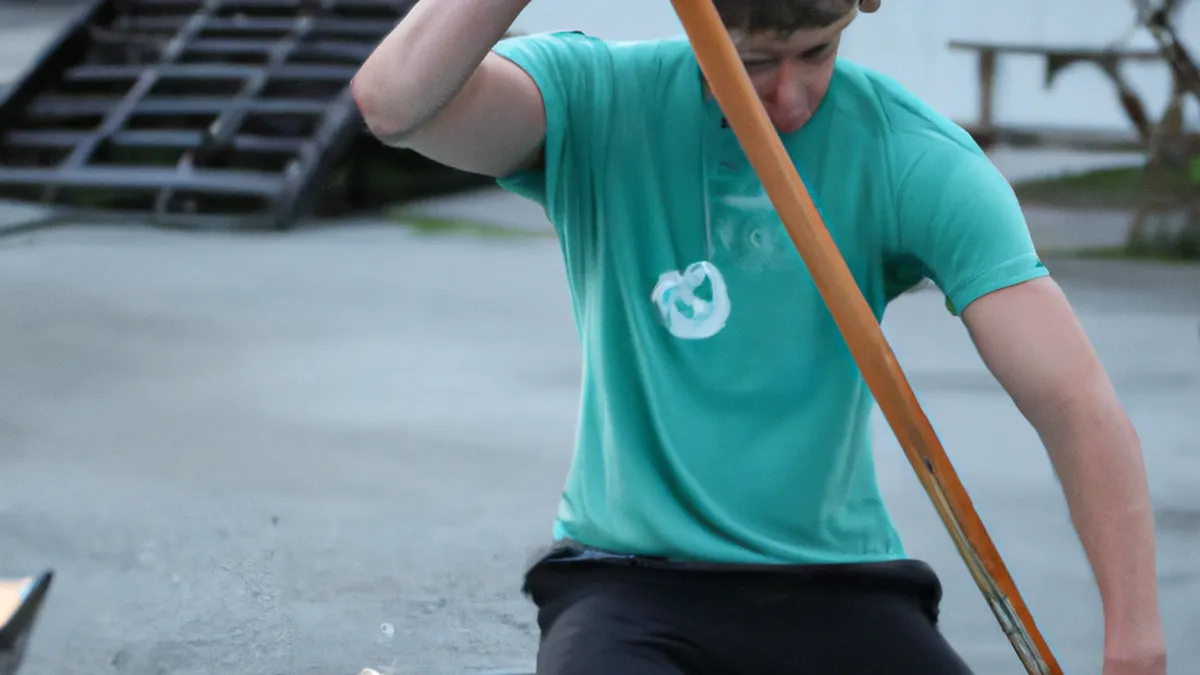
Restore Your Strength: Paddler’s Stretch Guide
Stretching for Post-Paddling RecoveryPaddling combines strength, balance, and endurance, providing an excellent workout. Activities like kayaking, canoeing, and stand-up paddleboarding engage your muscles dynamically. After a long day on the water, tight and fatigued muscles often result. Stretching plays a vital role in recovery by relaxing muscles, improving flexibility, and reducing soreness. This article presents effective stretching techniques for post-paddling recovery.
Why Stretch After Paddling?
Paddling engages various muscle groups, including arms, shoulders, back, and core. These muscles often become tight and fatigued. Stretching after paddling aids recovery by increasing blood flow. Improved circulation helps remove lactic acid build-up and reduces muscle soreness.Stretching also enhances flexibility, which can improve future paddling performance. Greater flexibility allows for a wider range of motion and more efficient strokes. A flexible body prevents injuries that could interrupt your water sport activities. Therefore, include stretching in your post-paddling routine.
Essential Stretches for Recovery
As an Amazon Associate I earn from qualifying purchases.
Gear tip: consider stretching strap, agility cones, and speed ladder to support this topic.
1. Shoulder Stretch
Shoulders endure a lot of strain during paddling. Release tension with this shoulder stretch:- Stand tall with feet shoulder-width apart.- Extend one arm across your body at shoulder height.- Use your opposite arm to gently pull the extended arm closer to your chest.- Feel a gentle stretch in the shoulder of the extended arm.- Hold for 15-30 seconds, then switch sides.This stretch targets the deltoids and improves shoulder mobility, crucial for effective paddling.
2. Triceps Stretch
Paddling extensively uses your triceps. Follow these steps to stretch this muscle group:- Stand or sit comfortably.- Raise one arm overhead and bend the elbow, allowing your hand to drop down your back.- Use your opposite hand to gently push back on the raised elbow.- Hold for 15-30 seconds, then switch sides.This stretch alleviates tightness in the triceps and enhances arm flexibility, improving stroke technique.
3. Hamstring Stretch
Your legs significantly contribute to paddling performance. Perform a hamstring stretch to relieve leg tension:- Sit on the ground with one leg extended and the other bent inward.- Reach toward the toes of the extended leg, keeping your back straight.- Feel a stretch in the back of your thigh.- Hold for 15-30 seconds.
Conclusion
Incorporating stretching into your post-paddling routine enhances recovery and flexibility. Stretching helps you perform better in future paddling sessions.
Below are related products based on this post:
FAQ
Why is stretching important after paddling?
Stretching after paddling is crucial because it helps relax tight and fatigued muscles, increases blood flow, and reduces soreness. Improved circulation aids in removing lactic acid build-up, which can enhance recovery. Additionally, stretching enhances flexibility, which can improve future paddling performance and prevent injuries.
What are some effective stretches for post-paddling recovery?
Some effective stretches for post-paddling recovery include the shoulder stretch, triceps stretch, and hamstring stretch. These stretches target key muscle groups used during paddling, helping to alleviate tension and improve flexibility. Holding each stretch for 15-30 seconds can significantly enhance your recovery process.
How does flexibility impact paddling performance?
Greater flexibility allows for a wider range of motion and more efficient strokes while paddling. This improved flexibility can lead to better technique and reduced risk of injuries. Incorporating stretching into your routine not only aids recovery but also enhances your overall paddling experience.











Post Comment