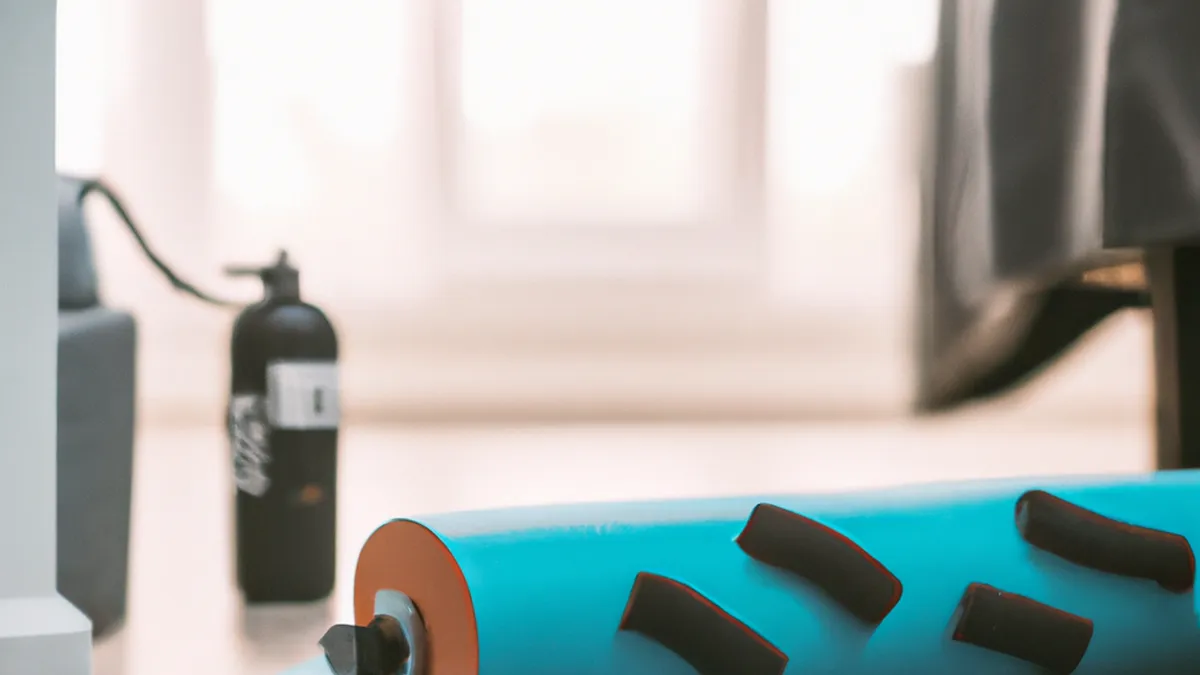
Release Stress Through Targeted Massage
Stress Reduction Through Self-Myofascial ReleaseIn our fast-paced world, stress permeates daily life. Many individuals experience tension and anxiety and seek effective relief methods. Self-myofascial release (SMR) has gained popularity as an effective approach to reducing stress and promoting relaxation. This blog post explores SMR’s benefits, techniques, and its impact on quality of life.
Understanding Self-Myofascial Release
Self-myofascial release involves applying pressure to specific body points. This technique relieves muscle tightness, improves blood flow, and enhances flexibility. Fascia, a network of connective tissue, surrounds muscles. Tight fascia can cause discomfort, restricted motion, and emotional stress. Using foam rollers or massage balls, individuals can target tight areas, promoting relaxation and restoring balance.
The Science Behind SMR
Applying pressure to fascia stimulates mechanoreceptors within the tissue. This stimulation sends signals to the brain, promoting relaxation and reducing muscle tension. SMR breaks up adhesions and knots in muscle tissue, improving blood circulation. Increased circulation delivers fresh oxygen and nutrients to muscles, aiding recovery and reducing soreness.
Tips for Practicing SMR
As an Amazon Associate I earn from qualifying purchases.
Gear tip: consider foam roller, massage gun, and lacrosse ball to support this topic.
Start with a Foam Roller
Foam rollers serve as excellent tools for beginners. They come in various densities, allowing you to choose one that suits your comfort level. Find a quiet, comfortable space to start. Lie on the foam roller and target your back, thighs, and calves. Slowly roll over each muscle for 30 seconds to two minutes, focusing on tight or sore spots. If you find a particularly tender area, hold pressure on that spot longer for deeper release.
Incorporate Massage Balls
While foam rollers target larger muscle groups, massage balls provide a more focused approach. These small, firm balls can effectively reach areas a foam roller might miss, such as feet, shoulders, and hip flexors. Place a massage ball under the target area and gently roll your body over it. Adjust your weight to control pressure, ensuring comfort. This technique delivers deep muscle relief and promotes relaxation, enhancing your SMR practice.
Establish a Routine
Consistency is crucial for practicing self-myofascial release. Aim to incorporate SMR into your weekly routine, dedicating 10-15 minutes a few times weekly. You can perform SMR anytime, but many find it beneficial to integrate it into post-workout routines.
Conclusion
Incorporating self-myofascial release into your routine can significantly reduce stress and enhance relaxation.
Below are related products based on this post:
FAQ
What is self-myofascial release (SMR)?
Self-myofascial release is a technique that involves applying pressure to specific points on the body to relieve muscle tightness and improve blood flow. It targets the fascia, a connective tissue surrounding muscles, which can become tight and cause discomfort. By using tools like foam rollers or massage balls, individuals can promote relaxation and restore balance in their bodies.
How does SMR help reduce stress?
SMR helps reduce stress by stimulating mechanoreceptors in the fascia, which sends signals to the brain that promote relaxation and decrease muscle tension. This technique also breaks up adhesions and knots in muscle tissue, enhancing blood circulation. Improved circulation delivers oxygen and nutrients to muscles, aiding recovery and ultimately contributing to stress relief.
What tools can I use for SMR?
Foam rollers and massage balls are the primary tools used for self-myofascial release. Foam rollers are great for targeting larger muscle groups, while massage balls offer a more focused approach to reach smaller, tighter areas. Both tools can effectively relieve muscle tension and promote relaxation when used correctly.













Post Comment