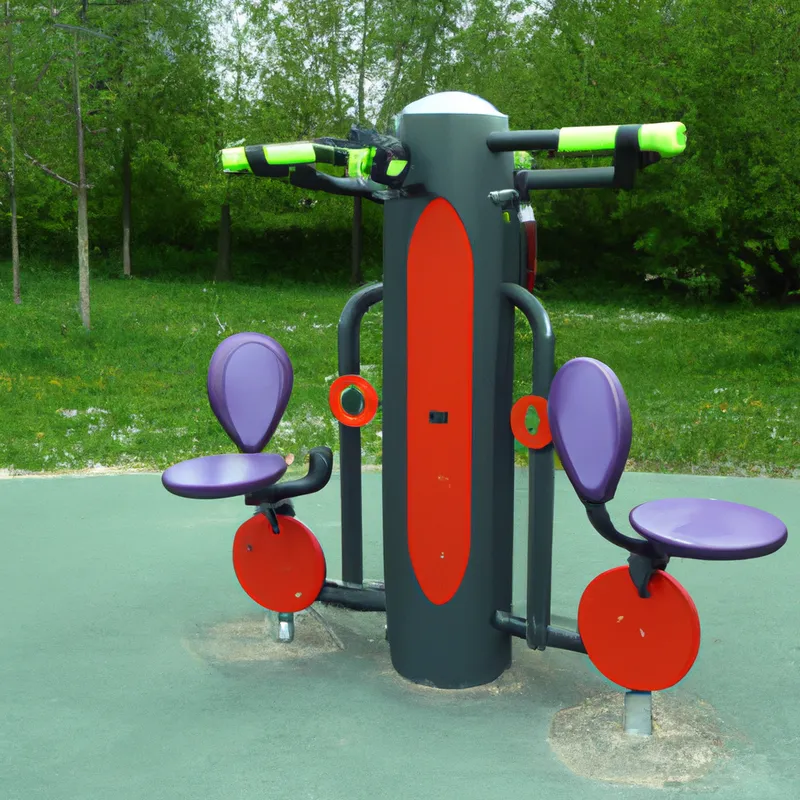
Reimagine Fitness: Equal Access for All
Addressing Gender Disparities in Outdoor Fitness Engagement
Outdoor fitness provides benefits like improved physical health and enhanced mental well-being. However, women face unique barriers that hinder their participation. We must explore these challenges and implement strategies to boost women’s engagement in outdoor fitness.
Understanding the Barriers
Women face various obstacles in outdoor fitness. Safety concerns rank among the most significant barriers. Many women fear harassment or violence in public spaces, especially when exercising alone. This fear arises from real experiences or societal narratives about risks women face in public. Research shows that women often experience harassment outdoors, discouraging them from outdoor activities.
Social norms also shape women’s participation in outdoor fitness. Many view activities like mountain biking and rock climbing as masculine. This perception can make women feel unwelcome in these environments. These norms can create internalized barriers, leading women to doubt their abilities or prioritize caregiving over fitness.
Women often juggle multiple responsibilities, including work and childcare. These commitments limit their time and energy for outdoor fitness. When faced with competing priorities, women may choose family or work obligations over personal health, perpetuating inactivity.
Tips for Encouraging Participation
Communities, organizations, and individuals can promote gender equity in outdoor fitness through various strategies:
Create Safe Spaces
Ensuring outdoor spaces are safe and welcoming is essential. Collaborating with local authorities to improve lighting and visibility can make a significant difference. Organizing community patrols during peak hours enhances feelings of safety. Women engage more in outdoor fitness when they feel secure. Additionally, creating designated women-friendly areas fosters community and belonging.
Offer Women-Centric Programs
Designing women-specific programs proves effective. These initiatives can include women’s running clubs, hiking groups, or yoga classes led by female instructors. Tailoring activities to women’s needs fosters a supportive environment. Providing workshops on skills like navigation or bike maintenance empowers women to gain confidence.
Promote Female Role Models
Highlighting female athletes and outdoor enthusiasts encourages participation. Showcasing their achievements through social media or community events provides positive representation. Representation matters, and seeing women excel in traditionally male-dominated activities inspires others to join. Creating mentorship programs connects experienced women with newcomers.
Conclusion
Addressing gender disparities in outdoor fitness requires understanding barriers and implementing supportive strategies. Engaging women in outdoor activities benefits everyone.
Below are related products based on this post:
FAQ
What are some common barriers women face in outdoor fitness?
Women encounter various obstacles that hinder their participation in outdoor fitness, with safety concerns being the most significant. Many fear harassment or violence in public spaces, particularly when exercising alone. Additionally, societal norms can discourage women from participating in activities perceived as masculine, and the demands of balancing work and childcare often limit their time and energy for fitness.
How can communities promote women’s participation in outdoor fitness?
Communities can enhance women’s engagement in outdoor fitness by creating safe spaces, such as improving lighting and visibility in parks, and organizing community patrols. Offering women-centric programs, such as running clubs or yoga classes led by female instructors, can also foster a supportive environment. Furthermore, promoting female role models and mentorship programs can inspire more women to participate in outdoor activities.
Why is it important to address gender disparities in outdoor fitness?
Addressing gender disparities in outdoor fitness is essential because it not only empowers women but also contributes to improved overall community health. Engaging women in outdoor activities benefits everyone by promoting inclusivity, enhancing mental well-being, and encouraging a more active lifestyle for all members of the community.












Post Comment