Rehab Essentials: Tendonitis Recovery Guide
Conditioning for Patellar TendonitisPatellar tendonitis, known as jumper’s knee, commonly affects athletes and active individuals. It arises from overuse, especially in sports requiring jumping or repetitive knee movements. This condition causes pain near the patellar tendon, which connects the kneecap to the shinbone. Conditioning helps alleviate symptoms and prevents future injuries. Here, we explore effective conditioning strategies for patellar tendonitis.
Understanding Patellar Tendonitis
Inflammation of the patellar tendon results from repetitive strain or overuse. Athletes in sports like basketball, volleyball, and track are particularly susceptible. However, anyone performing repetitive knee movements, like runners or cyclists, can experience this condition.Symptoms include localized pain below the kneecap, worsening during activities such as jumping or running. Pain may also occur after prolonged sitting or rising from a seated position. Early recognition of these symptoms helps prevent further injury and supports recovery.
Tips for Conditioning
As an Amazon Associate I earn from qualifying purchases.
Gear tip: consider basketball shoes, basketball, and indoor basketball to support this topic.
Focus on Strengthening Exercises
Strengthening the muscles around the knee reduces strain on the patellar tendon. Stronger muscles provide better support for the knee joint. Incorporate exercises targeting key muscle groups: quadriceps, hamstrings, and calves.Consider these effective exercises:- **Squats**: Start with bodyweight squats. Ensure your knees do not extend over your toes. Add weights as your strength improves.- **Lunges**: Perform forward or reverse lunges to strengthen quadriceps and hamstrings while promoting balance.- **Step-Ups**: Use a sturdy platform for step-ups. This engages various muscle groups and builds functional strength.Aim for two to three sets of 10-15 repetitions for each exercise. Adjust the volume based on your fitness level and pain tolerance.
Incorporate Flexibility Training
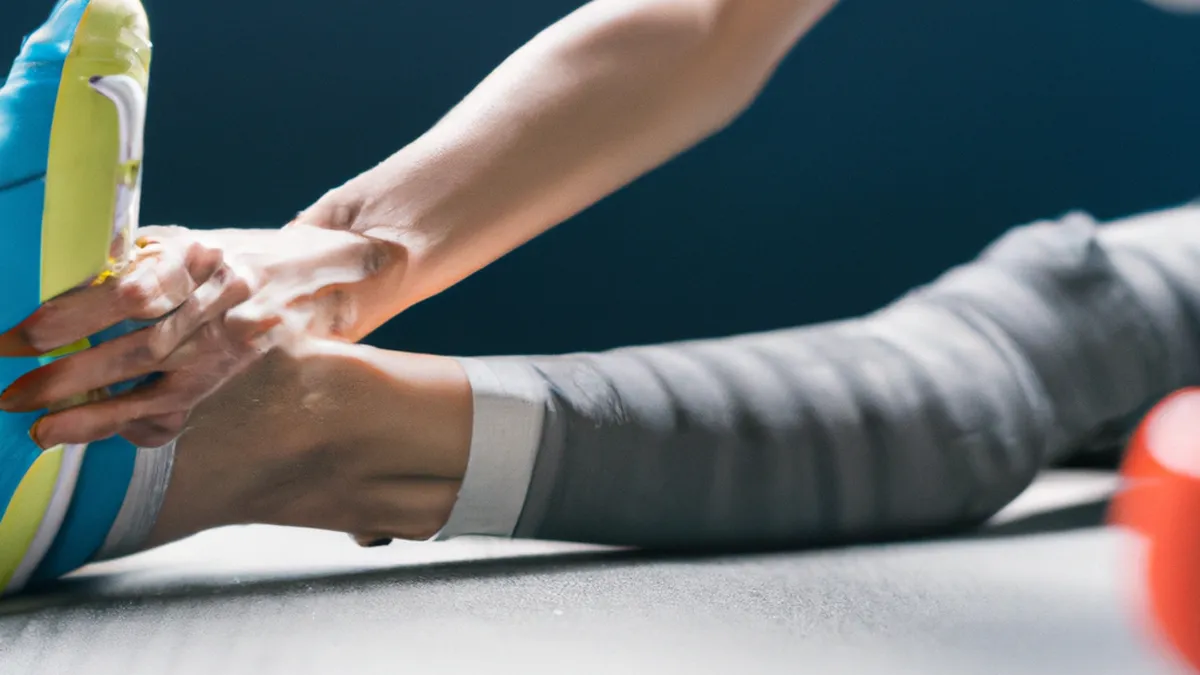
Flexibility helps prevent injuries. Tight muscles can cause imbalances and increase strain on the patellar tendon. Make stretching a daily routine, focusing on muscles around the knee.Stretch the following muscle groups:- **Quadriceps**: Stand on one leg and pull your other foot toward your glutes. Hold for at least 30 seconds.- **Hamstrings**: Sit with one leg extended and the other bent. Reach toward the toes of the extended leg, holding the stretch.- **Calves**: Stand facing a wall and place one foot behind the other, pressing the back heel down.
Conclusion
Conditioning for patellar tendonitis involves strengthening and flexibility training. These strategies help alleviate pain and prevent future injuries. Stay active and healthy with proper conditioning.
Below are related products based on this post:
FAQ
What is patellar tendonitis?
Patellar tendonitis, often referred to as jumper’s knee, is a condition that results from overuse of the patellar tendon, particularly in athletes and active individuals. It typically causes pain near the tendon that connects the kneecap to the shinbone, especially during activities involving jumping or repetitive knee movements.
What are the symptoms of patellar tendonitis?
Common symptoms include localized pain below the kneecap that worsens during activities such as jumping or running. Pain may also occur after prolonged sitting or when rising from a seated position, indicating the importance of early recognition for effective recovery.
How can conditioning help with patellar tendonitis?
Conditioning through strengthening and flexibility training can alleviate symptoms and prevent future injuries related to patellar tendonitis. Incorporating targeted exercises and daily stretching routines supports muscle strength and flexibility, reducing strain on the patellar tendon.












Post Comment