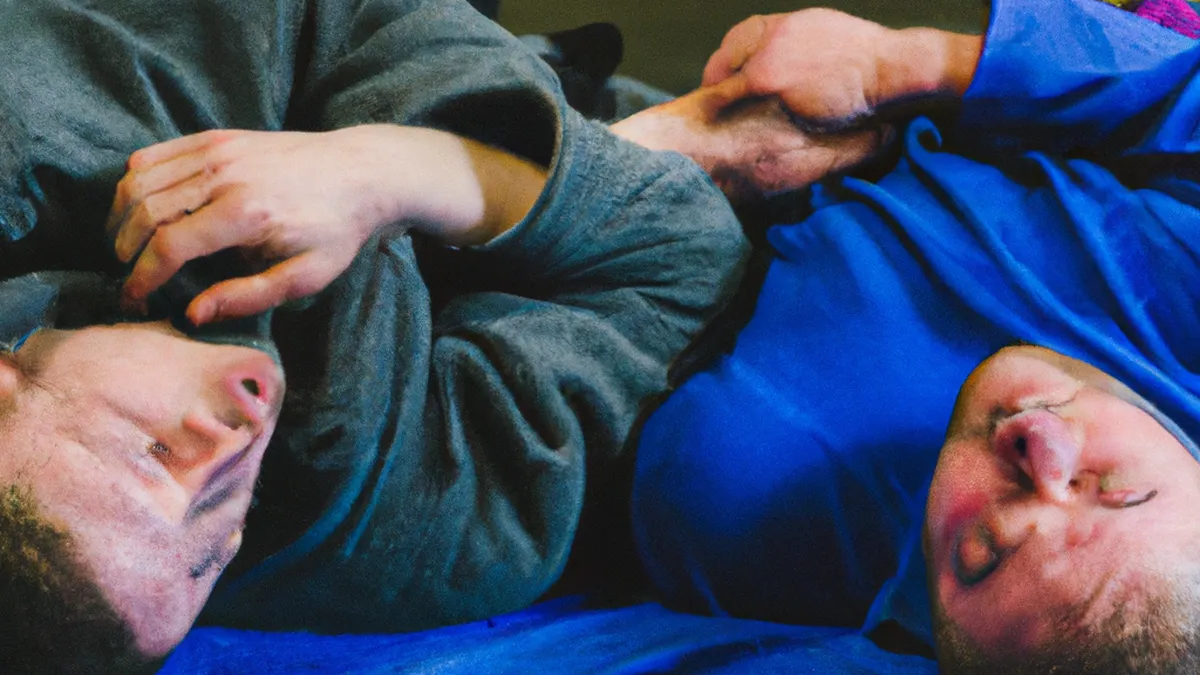
Recovery Tips: Grapplers Battling Overtraining
Early Signs of Overtraining in Grappling AthletesGrappling athletes push their bodies to the limit. They train hard to improve skills and gain an edge over opponents. However, intense training can lead to overtraining, which can derail even dedicated athletes. Recognizing early signs of overtraining is crucial for grapplers. This blog discusses these signs, offers prevention tips, and highlights the benefits of balanced training.
As an Amazon Associate I earn from qualifying purchases.
Gear tip: consider compression sleeves, rash guard, and bjj belt to support this topic.
Understanding Overtraining
Overtraining occurs when athletes exceed their ability to recover. Excessive training volume, insufficient rest, and inadequate nutrition contribute to this condition. In grappling, the high physical demands can cause physical and mental fatigue. Athletes may face decreased performance, increased injuries, and burnout, which hinder their training and competition goals.Many athletes ignore overtraining signs. They feel compelled to train harder, believing that more effort yields better results. Unfortunately, this mindset can cause chronic fatigue and decreased motivation. Therefore, identifying early signs of overtraining is vital for every grappler.
Early Signs of Overtraining
Physical Symptoms
Grappling athletes should watch for physical symptoms, as these often indicate overtraining. Here are key signs to notice:1. **Chronic Fatigue:** Constant tiredness, even after sleep or rest days, signals a warning. This fatigue affects performance on the mat and daily life.2. **Increased Injuries:** Frequent sprains, strains, or minor injuries indicate your body needs a break. If injuries occur more often than usual, evaluate your training regimen.3. **Declining Performance:** If skills regress despite consistent training, consider stepping back. This decline may show as difficulty executing techniques or keeping up with training partners.4. **Sleep Disturbances:** Trouble falling or staying asleep may indicate stress. Quality sleep is crucial for recovery, and disruptions can worsen fatigue.5. **Changes in Appetite:** Overtraining can cause loss of appetite or cravings for unhealthy foods. Your body might signal a need for nutrients or react to stress.
Mental Symptoms
Mental symptoms are as important as physical ones. Grapplers should be mindful of their mental state, as it significantly affects performance:1. **Irritability:** Easily frustrated or agitated during training or daily life may signal overtraining. This irritability can strain relationships with training partners and coaches.2. **Lack of Motivation:** A sudden disinterest in training or grappling indicates potential overtraining.
Conclusion
Recognizing early signs of overtraining helps grapplers maintain performance and avoid setbacks. Prioritizing recovery and balanced training promotes long-term success in grappling.
Below are related products based on this post:
FAQ
What is overtraining in grappling athletes?
Overtraining occurs when athletes exceed their ability to recover from intense training. This condition can lead to physical and mental fatigue, decreased performance, increased injuries, and burnout, ultimately hindering training and competition goals.
What are some early signs of overtraining?
Early signs of overtraining include chronic fatigue, increased injuries, declining performance, sleep disturbances, and changes in appetite. Athletes should be vigilant for these symptoms as they can indicate the need for a break and adjustments in training.
How can grappling athletes prevent overtraining?
Grappling athletes can prevent overtraining by prioritizing recovery, ensuring sufficient rest, and maintaining a balanced training regimen. Listening to their bodies and recognizing the importance of nutrition also play critical roles in avoiding this condition.











Post Comment