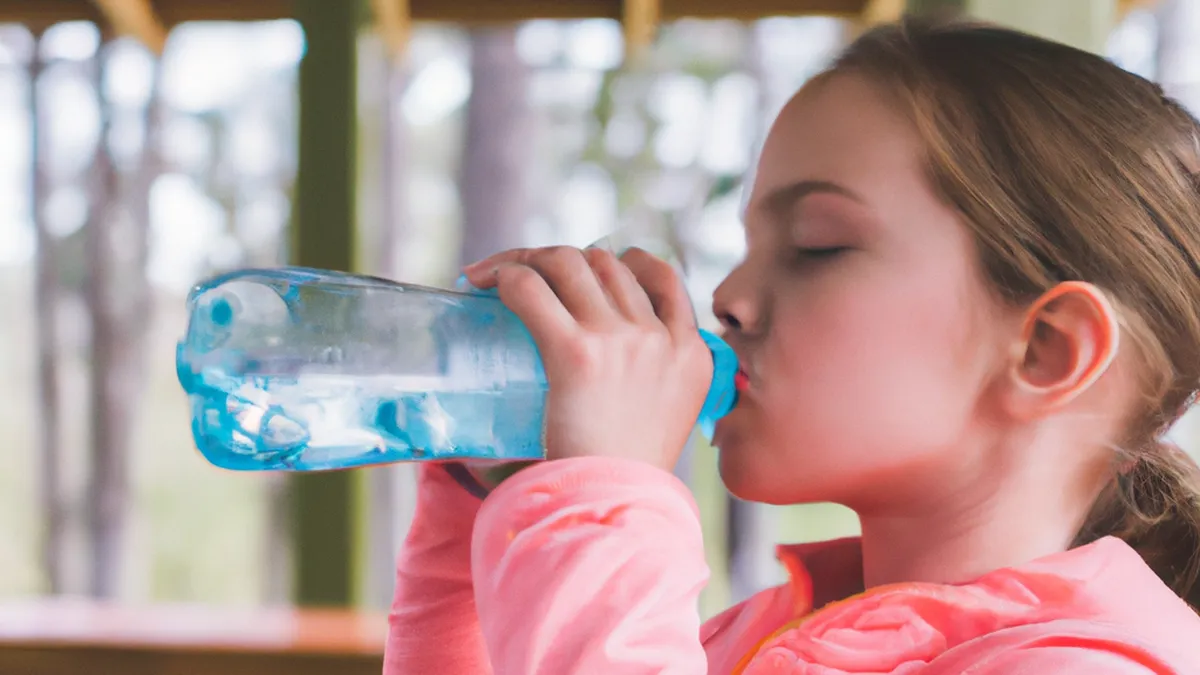
Quench Thirst: Effective Hydration Techniques
Team Hydration Protocols: Keeping Your Team at Peak PerformanceHydration significantly impacts team performance, especially in athletics. Proper hydration enables athletes to excel, while dehydration causes fatigue and health issues. Effective hydration protocols boost performance and protect athletes’ well-being. Follow this guide to develop hydration protocols for your team.
Understanding the Importance of Hydration
The human body consists of about 60% water, highlighting the need for proper hydration. Water regulates temperature, lubricates joints, and transports nutrients. Athletes lose fluids through sweat and respiration during exercise. Failure to replenish these fluids can cause dehydration.Research shows even mild dehydration, a 1-2% body weight loss, can hinder performance. Dehydration symptoms include dizziness, fatigue, dry mouth, and reduced cognitive function. Thus, a solid hydration plan is vital for any athletic team.
Developing a Hydration Strategy
As an Amazon Associate I earn from qualifying purchases.
Gear tip: consider electrolyte mix, soft flask, and shaker bottle to support this topic.
Create a hydration strategy by considering your team’s unique needs. Different sports and training intensities affect hydration requirements. For example, endurance athletes often need more fluids than those in high-intensity sports.
1. Set Hydration Goals
Establish daily hydration goals for each athlete. A general guideline suggests consuming half of one’s body weight in ounces of water daily. For instance, a 150-pound athlete should target about 75 ounces of water. During intense training or competitions, increase fluid intake to replace additional losses.
2. Monitor Fluid Loss
Encourage athletes to weigh themselves before and after training sessions. This practice helps them track fluid loss accurately. A 1% weight loss indicates fluid loss, prompting athletes to drink 16-24 ounces of water for each pound lost. Educating athletes about this process enhances their understanding of hydration needs.
3. Schedule Regular Hydration Breaks
Incorporate hydration breaks into training sessions. Schedule these breaks every 15 to 20 minutes to provide athletes with opportunities to drink water. This practice promotes consistent hydration and allows athletes to cool down and refocus.
Providing Accessible Hydration Options
Making hydration easy encourages athletes to drink more fluids. Implement these strategies to ensure hydration options remain readily available:
1. Use Water Stations
Set up visible water stations at training venues. This setup serves as a reminder for athletes to hydrate regularly. Convenient stations allow quick access during breaks, minimizing training disruptions.
2. Offer Hydration Packs
Provide hydration packs for athletes during training and competitions. These packs allow athletes to carry water easily and drink on the go.
Conclusion
Hydration is essential for athletic performance. Implementing these strategies helps your team stay hydrated and perform at their best.
Below are related products based on this post:
FAQ
Why is hydration important for athletes?
Hydration significantly impacts team performance, especially in athletics. Proper hydration enables athletes to excel, while dehydration can lead to fatigue and various health issues. Maintaining adequate fluid levels is essential for optimal performance and overall well-being.
How can a team develop an effective hydration strategy?
A hydration strategy should consider the unique needs of the team, factoring in different sports and training intensities. Setting hydration goals based on body weight, monitoring fluid loss, and scheduling regular hydration breaks are key components of an effective strategy.
What are some tips for ensuring athletes stay hydrated?
To encourage hydration, set up visible water stations at training venues and provide hydration packs for athletes. Making hydration options easily accessible promotes consistent fluid intake and helps athletes maintain their performance levels during training and competitions.













Post Comment