Post-Workout Relief: Foam Roll Techniques
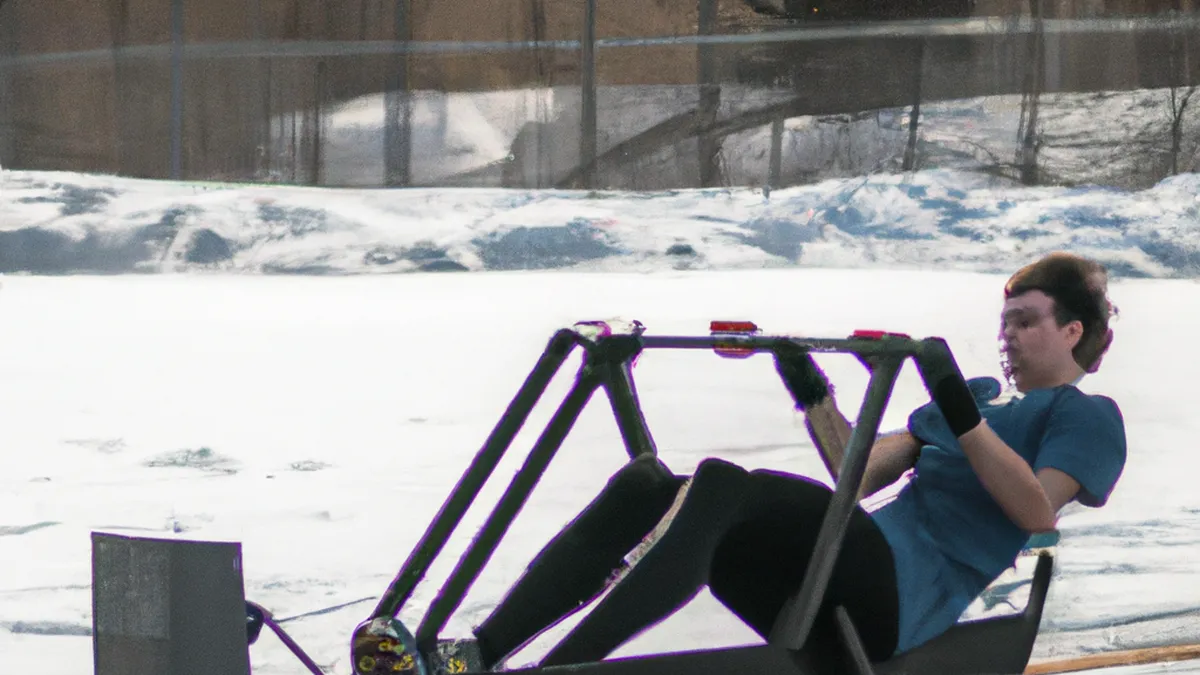
Foam Rolling After Sled Training: A Must for RecoverySled training challenges your strength, endurance, and overall athletic performance. Pushing, pulling, or dragging a sled tests your muscles. After such a demanding session, your body requires care. Foam rolling provides this essential care. It releases muscle tension, improves flexibility, and promotes blood flow. In this post, we’ll discuss foam rolling benefits after sled training, tips for effective use, and recovery advice.
Why Foam Roll After Sled Training?
Sled training engages multiple muscle groups. Your legs, core, and shoulders often feel tight and fatigued. Foam rolling offers self-myofascial release. This process alleviates discomfort by breaking up adhesions in your muscles and fascia. Foam rolling enhances flexibility and mobility, crucial for high-intensity training.Foam rolling aids muscle recovery. It reduces delayed onset muscle soreness (DOMS) after strenuous workouts. Rolling out your muscles promotes better circulation. This allows more oxygen and nutrients to reach your muscles. Proper recovery is vital after sled training, as fatigue can hinder future performance.Foam rolling becomes essential in your post-workout routine. It helps you recover faster, avoid injury, and enhance overall athletic performance.
Tips for Effective Foam Rolling
As an Amazon Associate I earn from qualifying purchases.
Gear tip: consider foam roller, massage gun, and trigger point cane to support this topic.
To maximize foam rolling benefits, follow these tips:
Choose the Right Foam Roller
Foam rollers vary in density and size, designed for different purposes. Beginners may prefer softer rollers for gentler experiences. Experienced users might choose denser rollers for deeper pressure. Textured rollers can provide more targeted relief. Experiment to find the best option for you.
Focus on Key Muscle Groups
After sled training, target the muscle groups that worked hardest. Start with your quads and hamstrings, which endure significant stress. Next, roll out your calves and glutes. Don’t forget about your upper body; foam roll your shoulders and back to enhance recovery. Concentrating on these areas effectively alleviates tension and promotes healing.
Roll Slowly and Breathe
Take your time when foam rolling. Roll over each muscle group slowly, spending at least 30 seconds in each area. If you find a tight spot, pause and breathe deeply. This technique helps your muscles relax and releases built-up tension. Foam rolling should not be excruciating; if you experience severe pain, ease off.
Conclusion
Foam rolling effectively aids recovery after sled training. Prioritize this practice to enhance performance and prevent injuries.
Below are related products based on this post:
FAQ
Why is foam rolling important after sled training?
Foam rolling is essential after sled training because it helps alleviate muscle tension and promotes recovery. It reduces delayed onset muscle soreness (DOMS) and enhances flexibility and mobility, which are crucial for maintaining high performance in subsequent workouts.
What tips should I follow for effective foam rolling?
To effectively foam roll, choose the right roller based on your experience level and the density you prefer. Focus on key muscle groups that worked hardest during training, such as your quads, hamstrings, calves, and shoulders, and remember to roll slowly while breathing deeply to help your muscles relax.
How does foam rolling enhance athletic performance?
Foam rolling enhances athletic performance by promoting better circulation, allowing increased oxygen and nutrient flow to the muscles. This recovery practice helps prevent injuries and prepares your body for future high-intensity training sessions, leading to improved overall performance.











Post Comment